Digital Learning, Strong Partnerships and Social Responsibility: Visitors from North Rhine-Westphalia at GISA


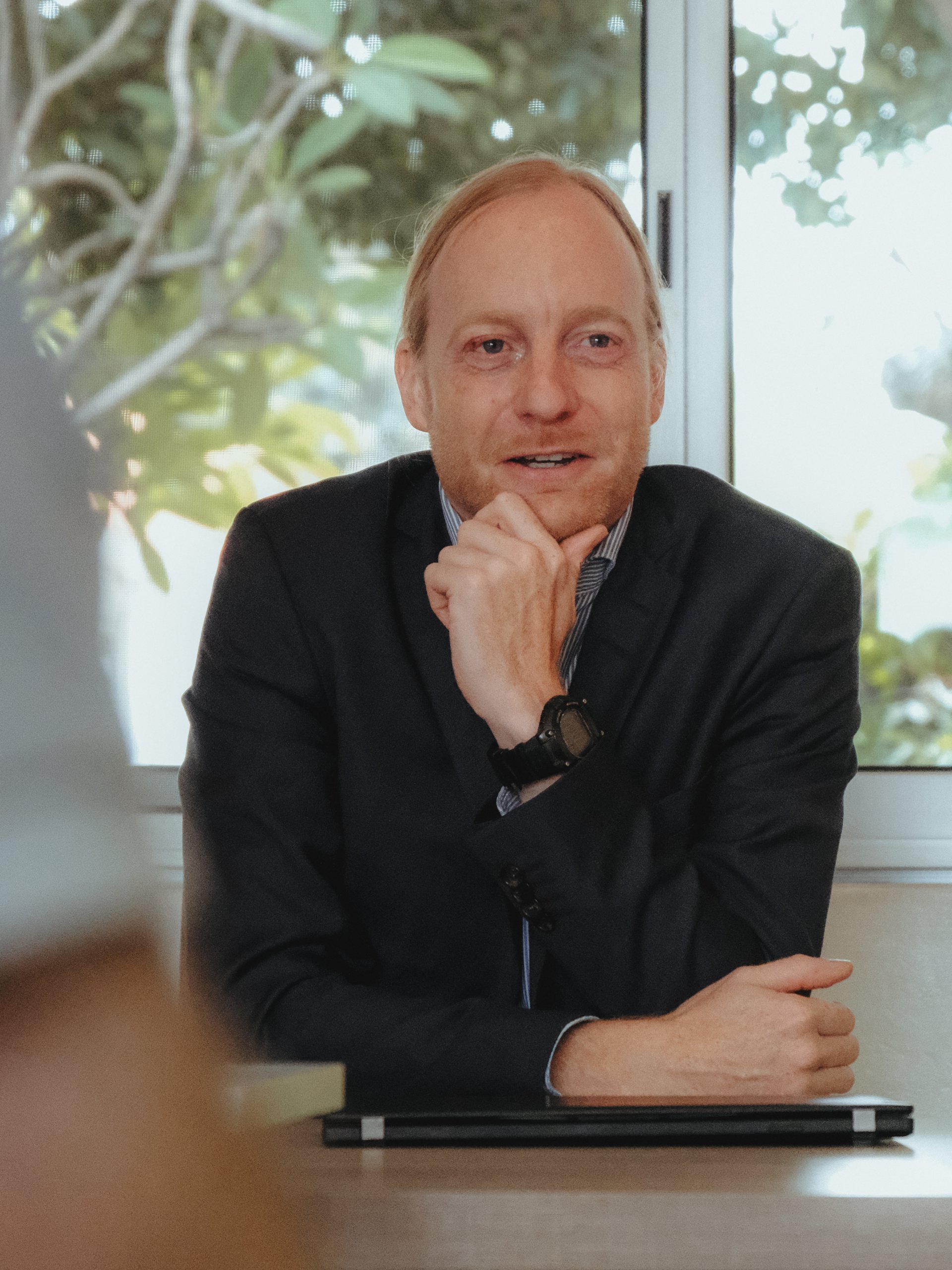
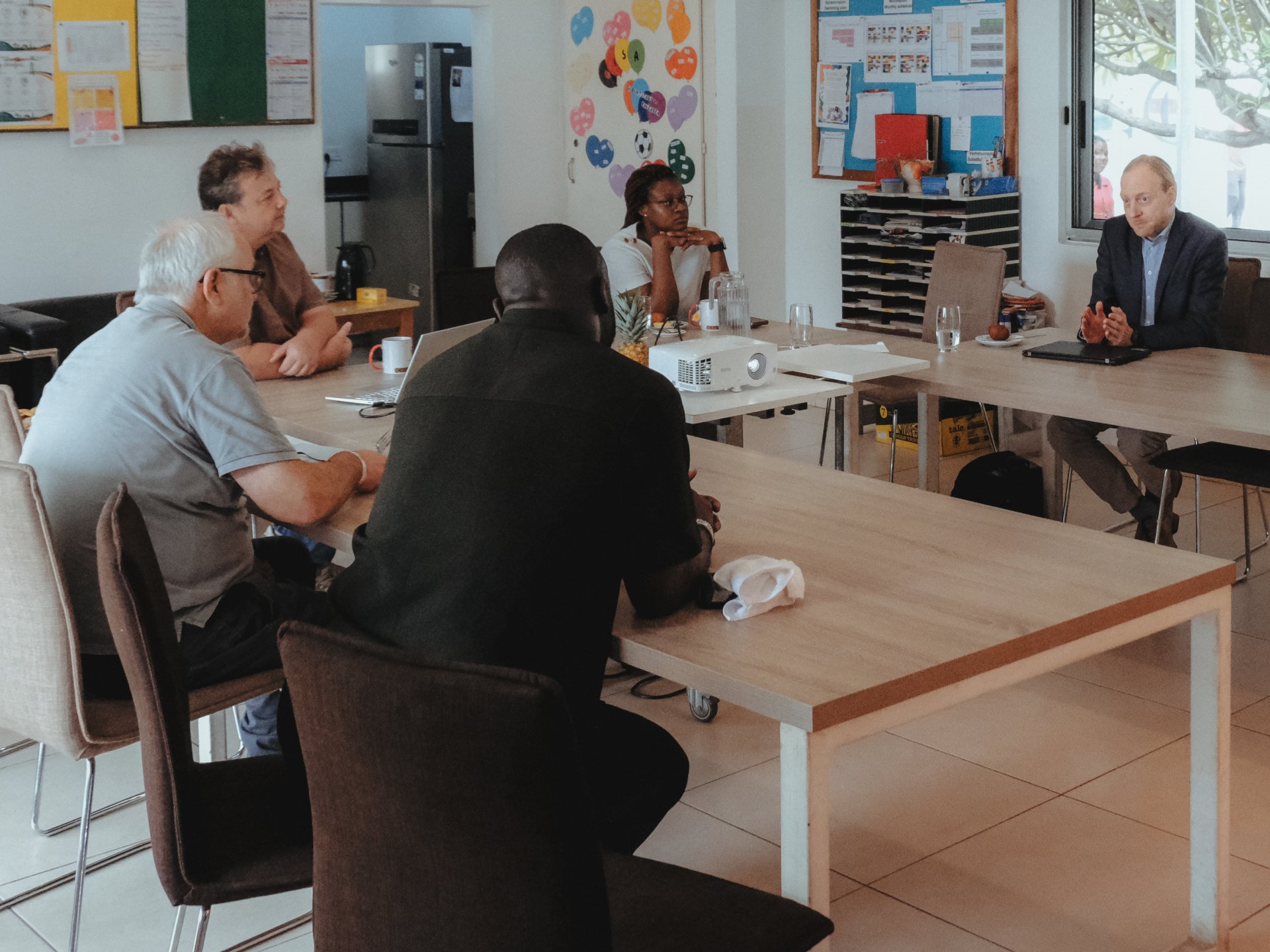
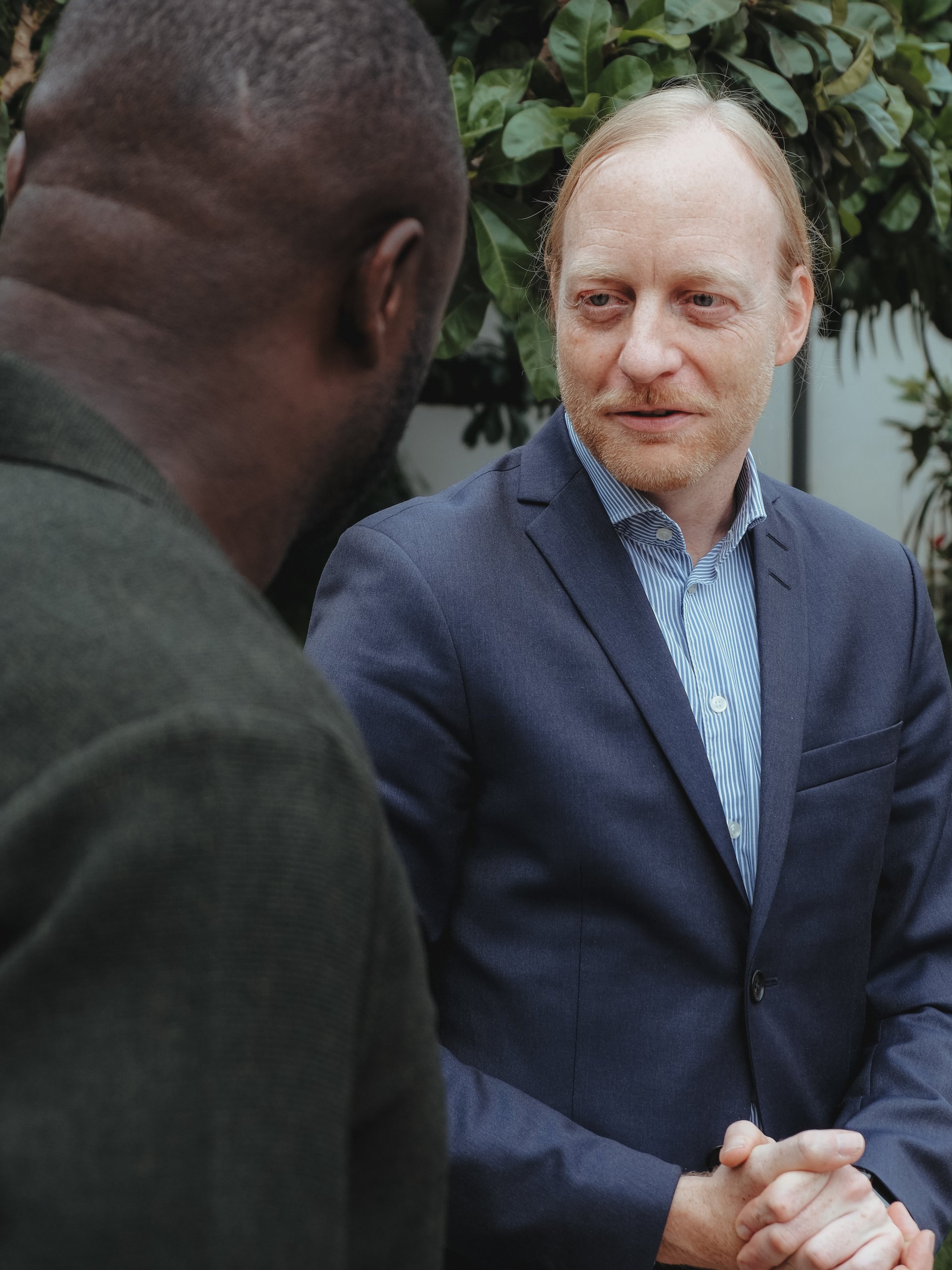
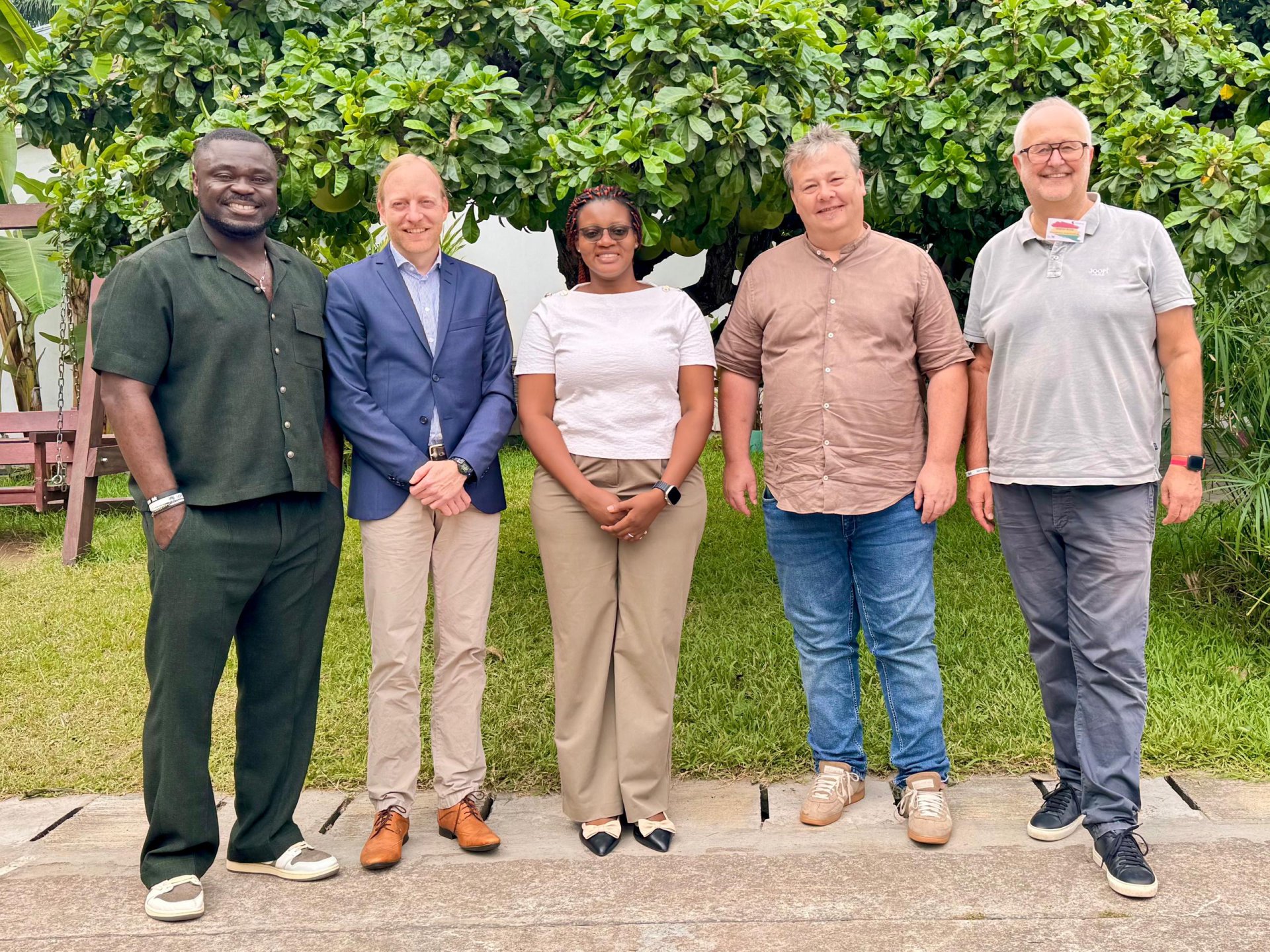
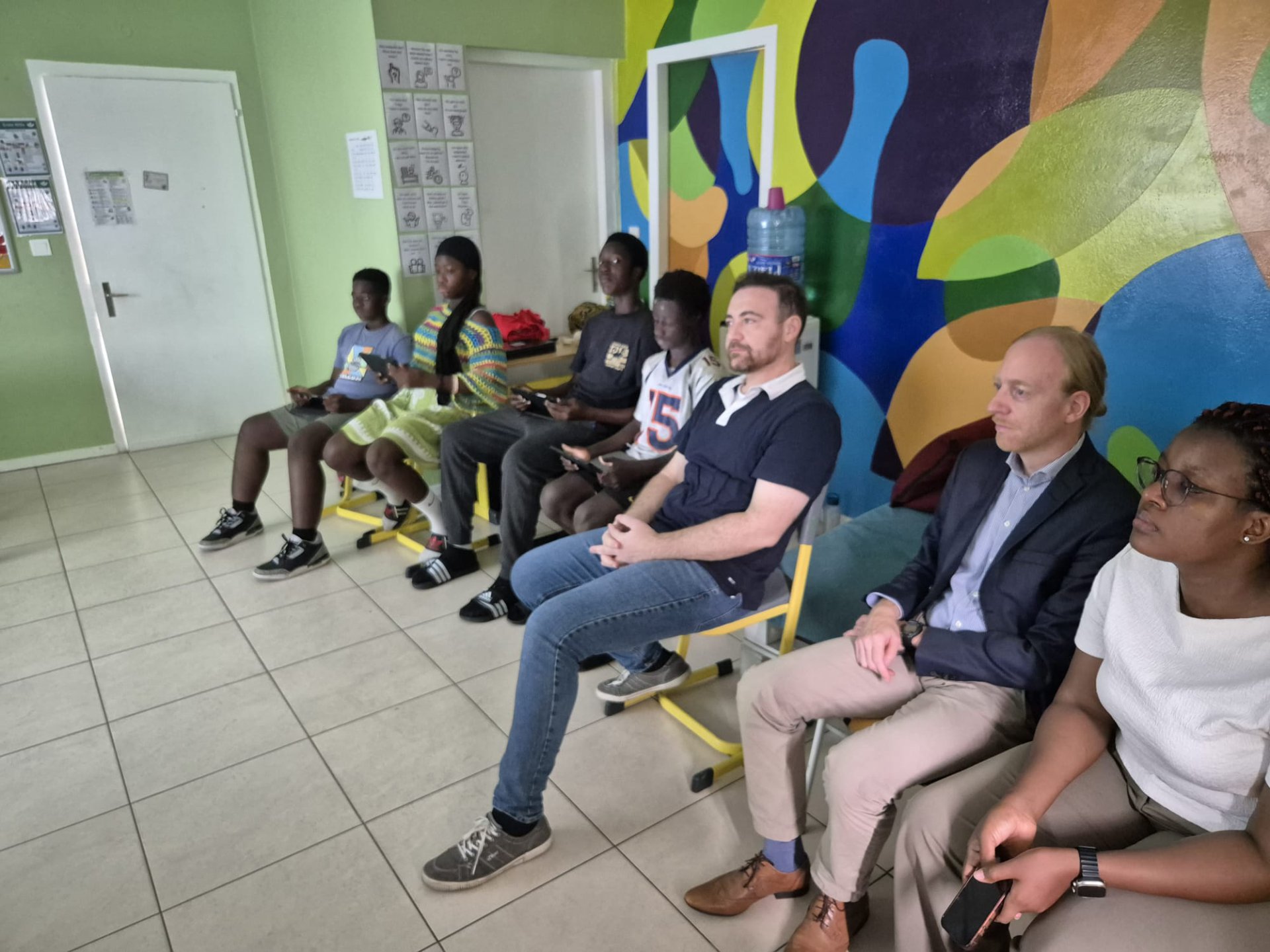
Innovative teaching, remarkable school development and exceptional social commitment: On Thursday, 12 November 2026, the German International School Accra (GISA) welcomed two special guests. Tobias Vetter from the Ministry of School and Education of the German state of North Rhine-Westphalia and Ghanaian digitalisation expert Yolande Yayra Pelagie Gake experienced an inspiring morning that demonstrated how education, technology and social responsibility come together at GISA.
The two visitors brought different yet complementary perspectives: Tobias Vetter works at the Ministry of School and Education of North Rhine-Westphalia, focusing, among other areas, on digital education and innovation in schools. Yolande Yayra Pelagie Gake works at Ghana’s Ministry of Communication, Digital Technology and Innovations and brings particular expertise in digital transformation and artificial intelligence.
60 Years of History – and Remarkable Progress
The visit began with a presentation by Headmaster Rainer Kropp-Kurta, who introduced the guests to GISA’s history, current development and future ambitions.
Founded in 1966, GISA is today the only officially recognised German school abroad in West Africa. Its recent development has been particularly impressive: Student enrolment has grown from 72 in August 2023 to 135 in September 2026. At the same time, the secondary school has expanded to Grade 9.
Further milestones are already in preparation: the German Intermediate School Leaving Certificate (MSA) and Cambridge IGCSE examinations from 2028, followed by the planned introduction of an upper secondary school offering the German International Baccalaureate (GIB) pathway from the 2028/29 school year.
Other key topics included the combination of German and international educational standards, intensive German language support and the Excellence Scholarship Programme (ESP), which opens up new educational opportunities for academically talented Ghanaian children.
Digital Learning in Action – Eight Classes, Many Creative Ideas
The visitors then moved to where school development truly comes to life: the classrooms.
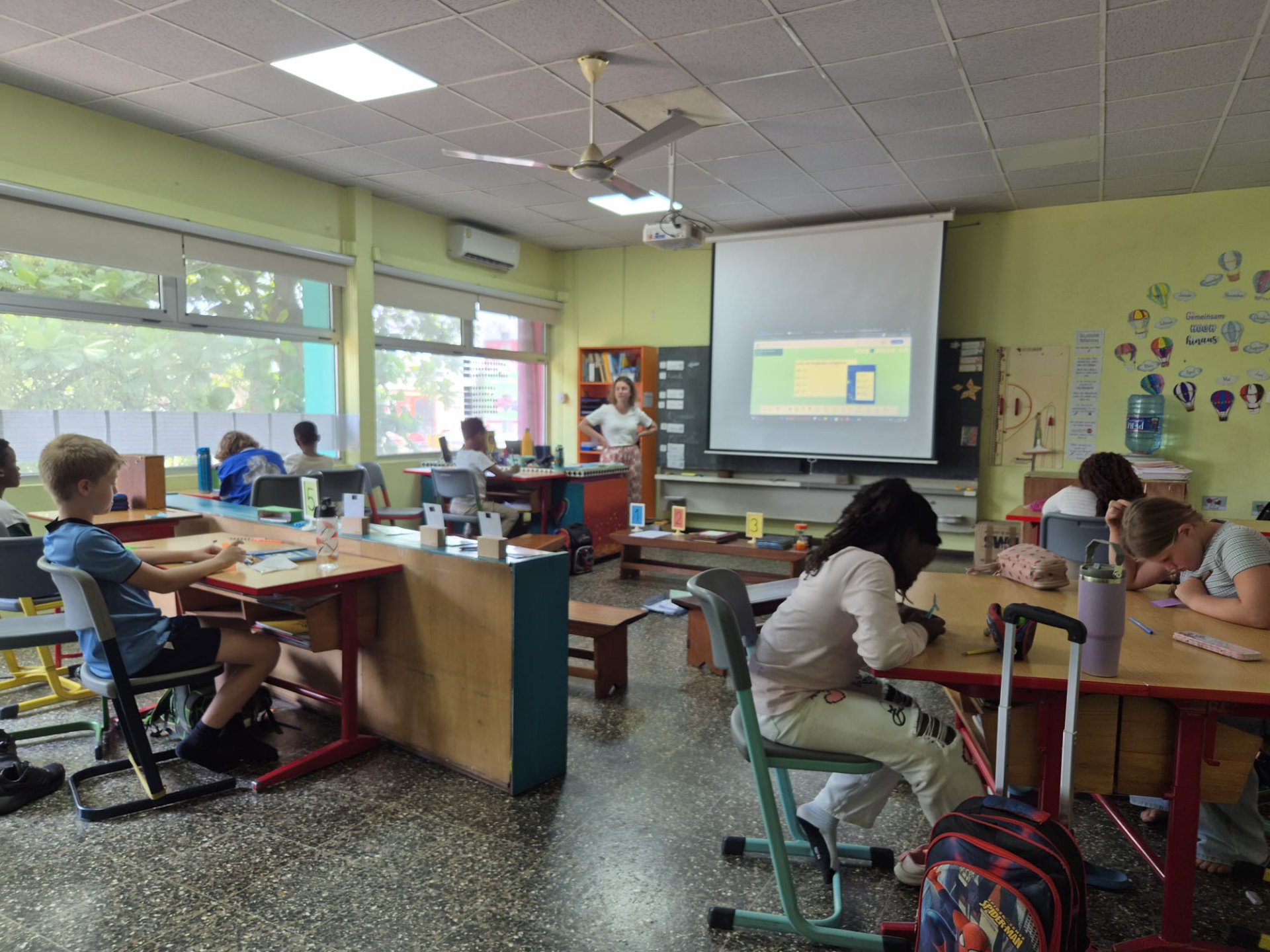
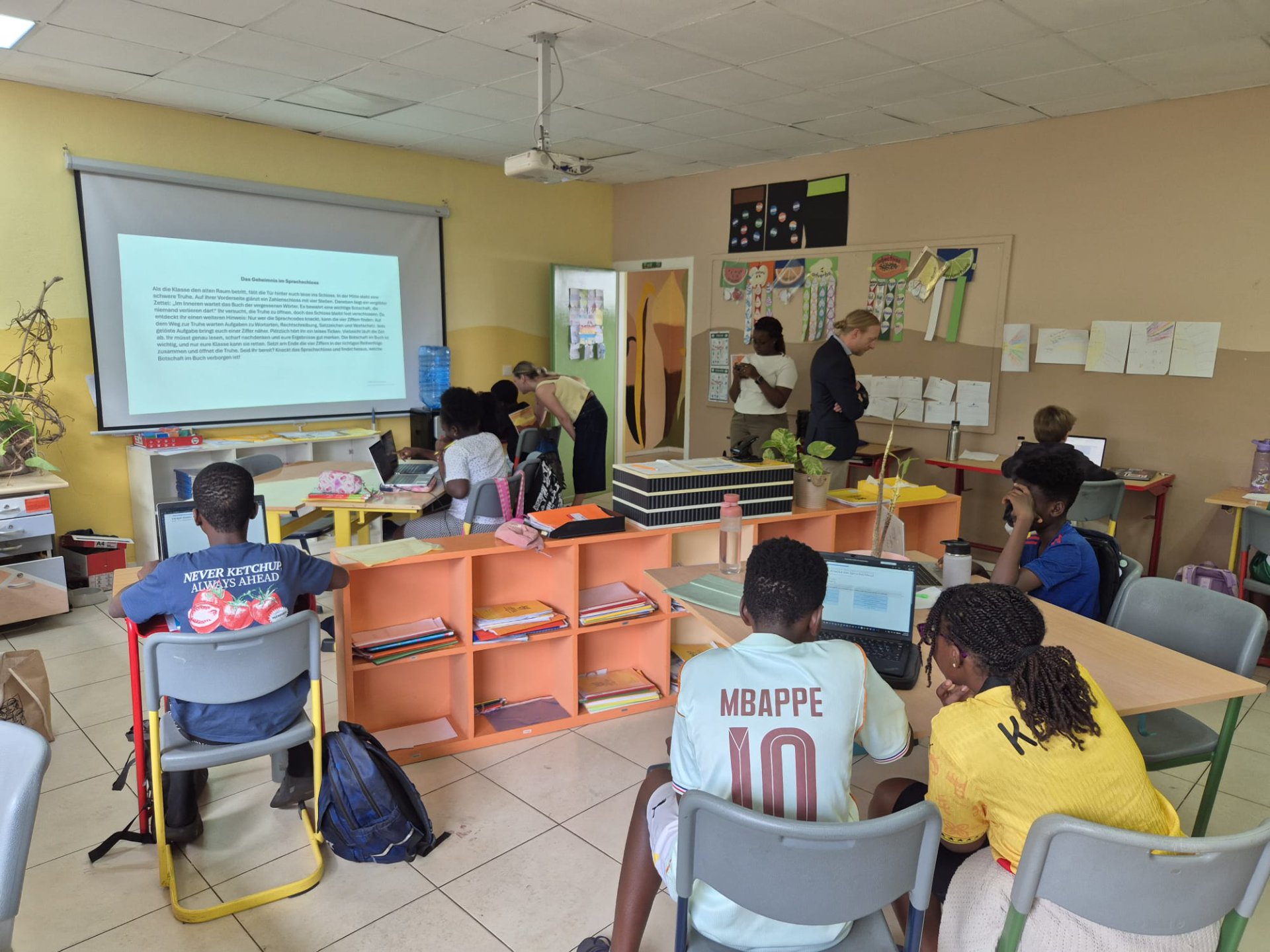
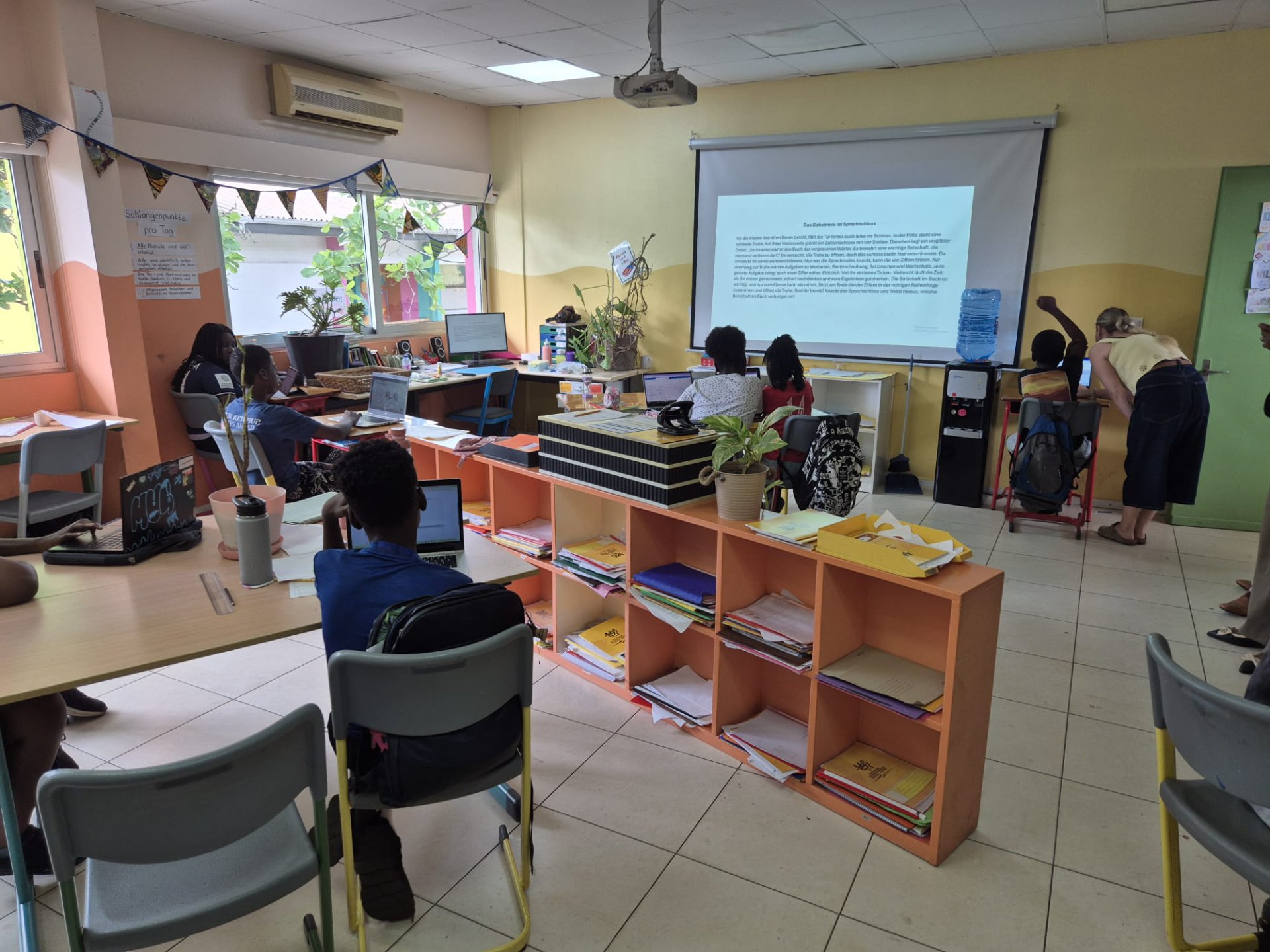
During an extensive tour of the primary and secondary sections, the guests experienced a wide range of approaches to digitally supported learning.
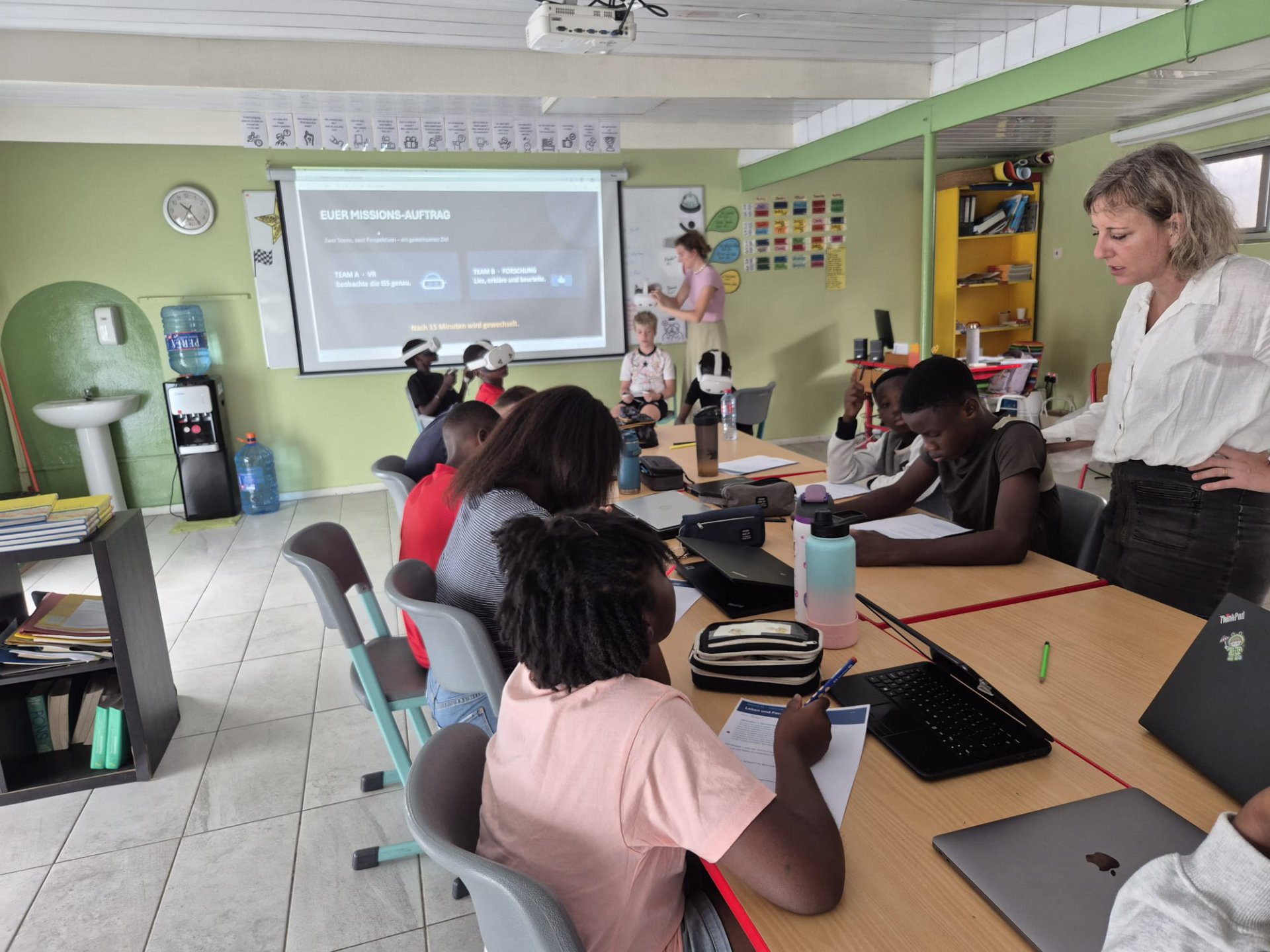
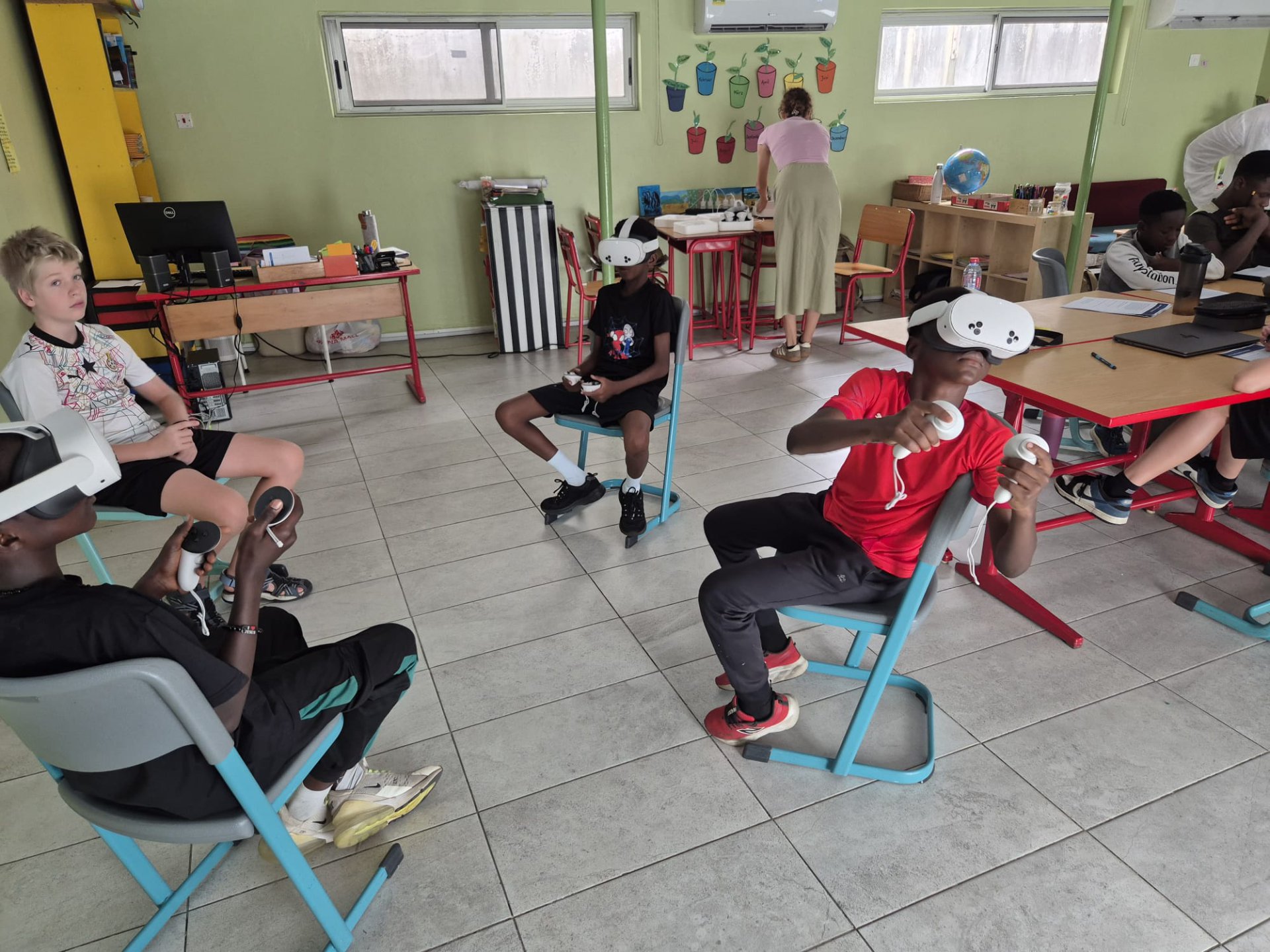
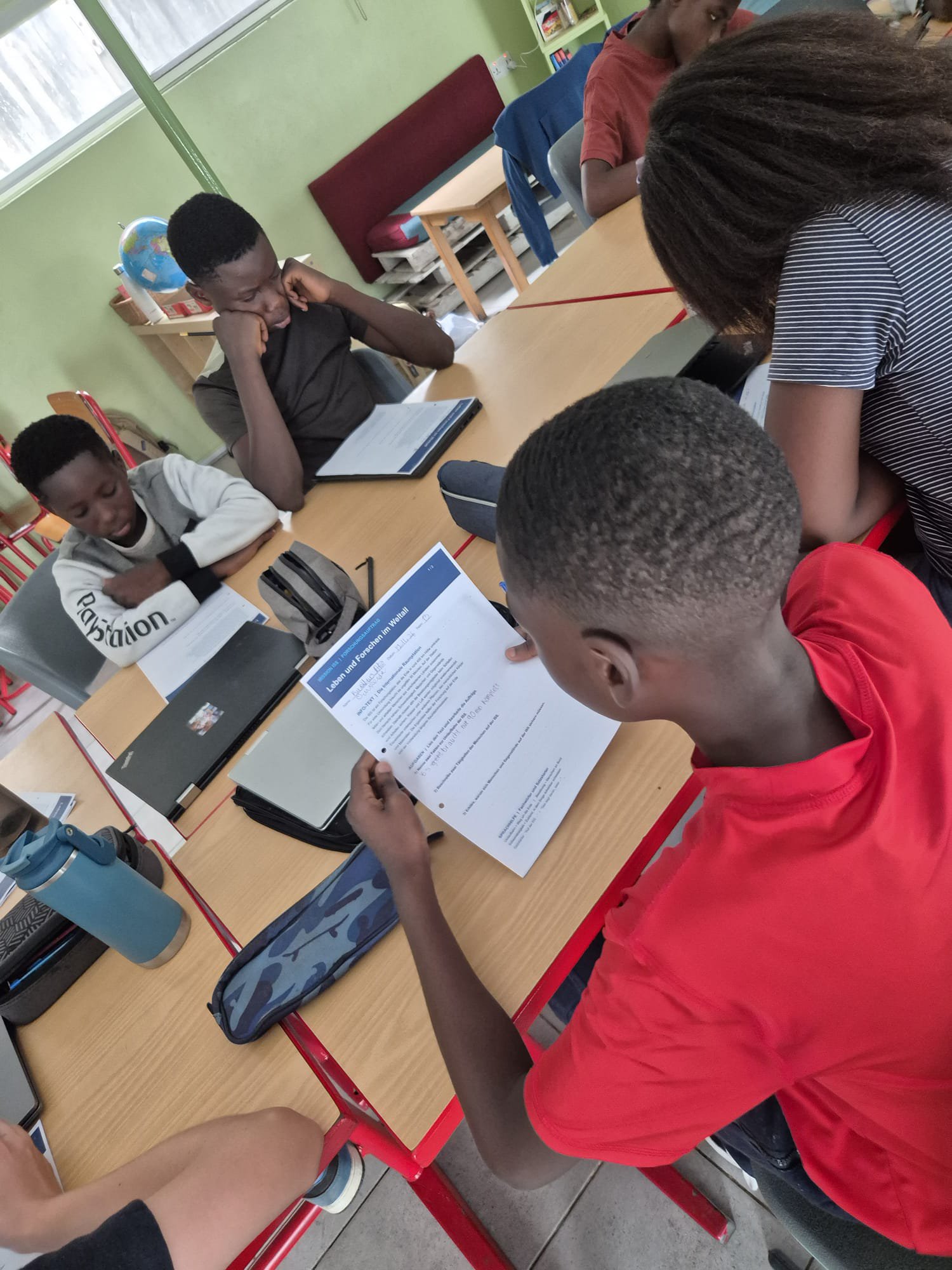
Grade 7 took the visitors on an extraordinary journey using virtual reality headsets. During a virtual visit to the International Space Station (ISS), students explored the fascinating world of space travel and experienced a remarkable change of perspective – without ever leaving Earth.
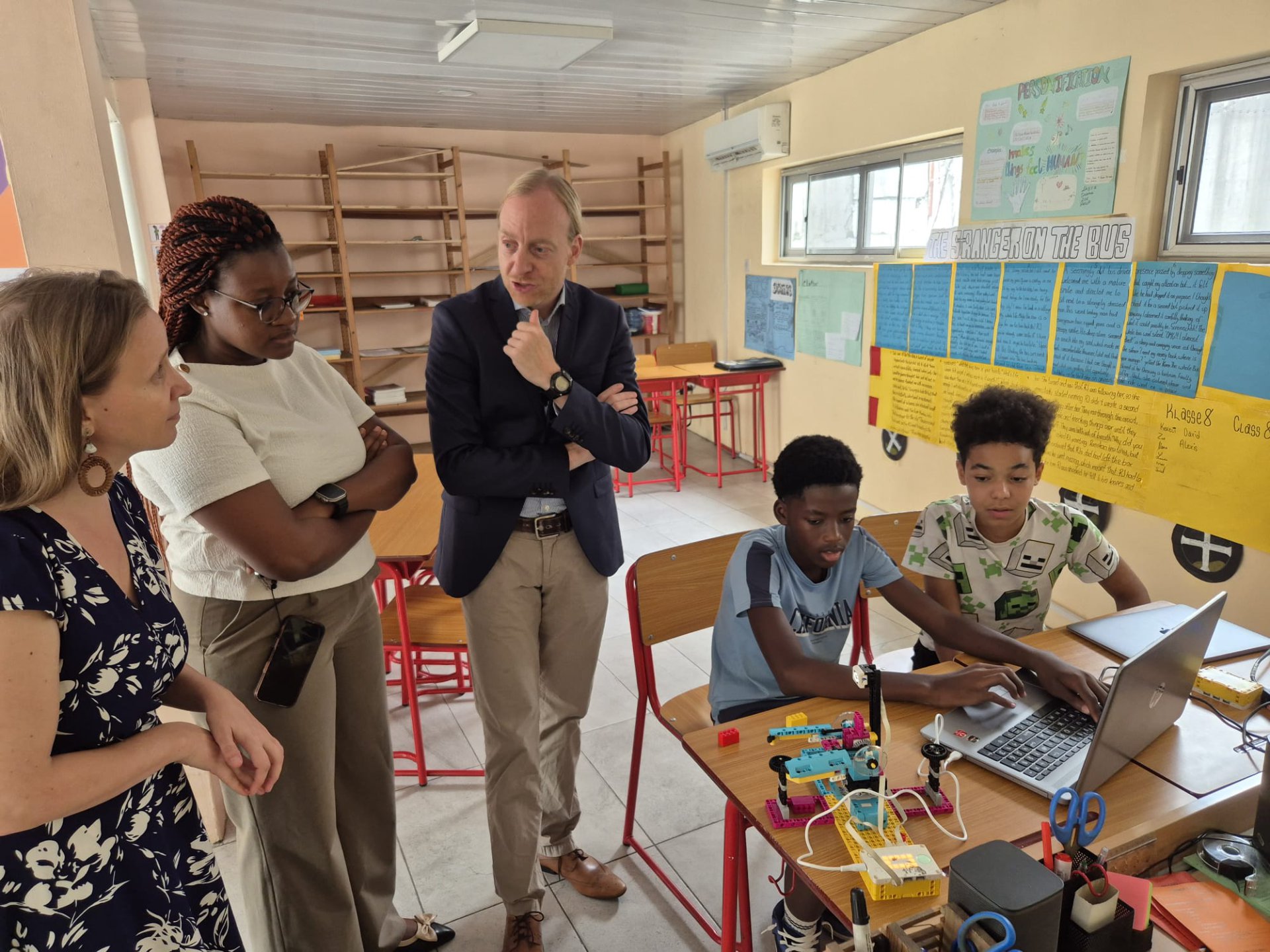
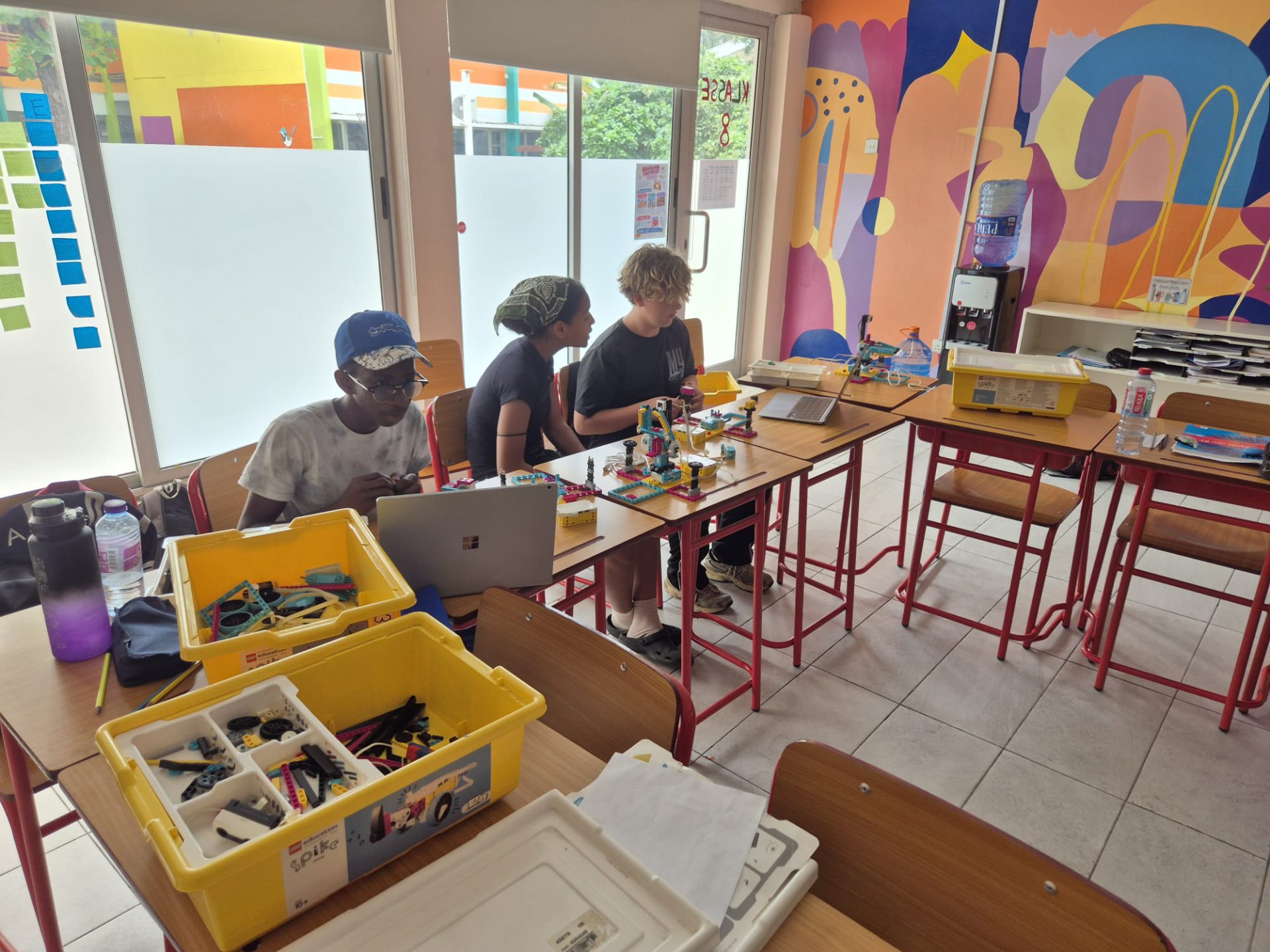
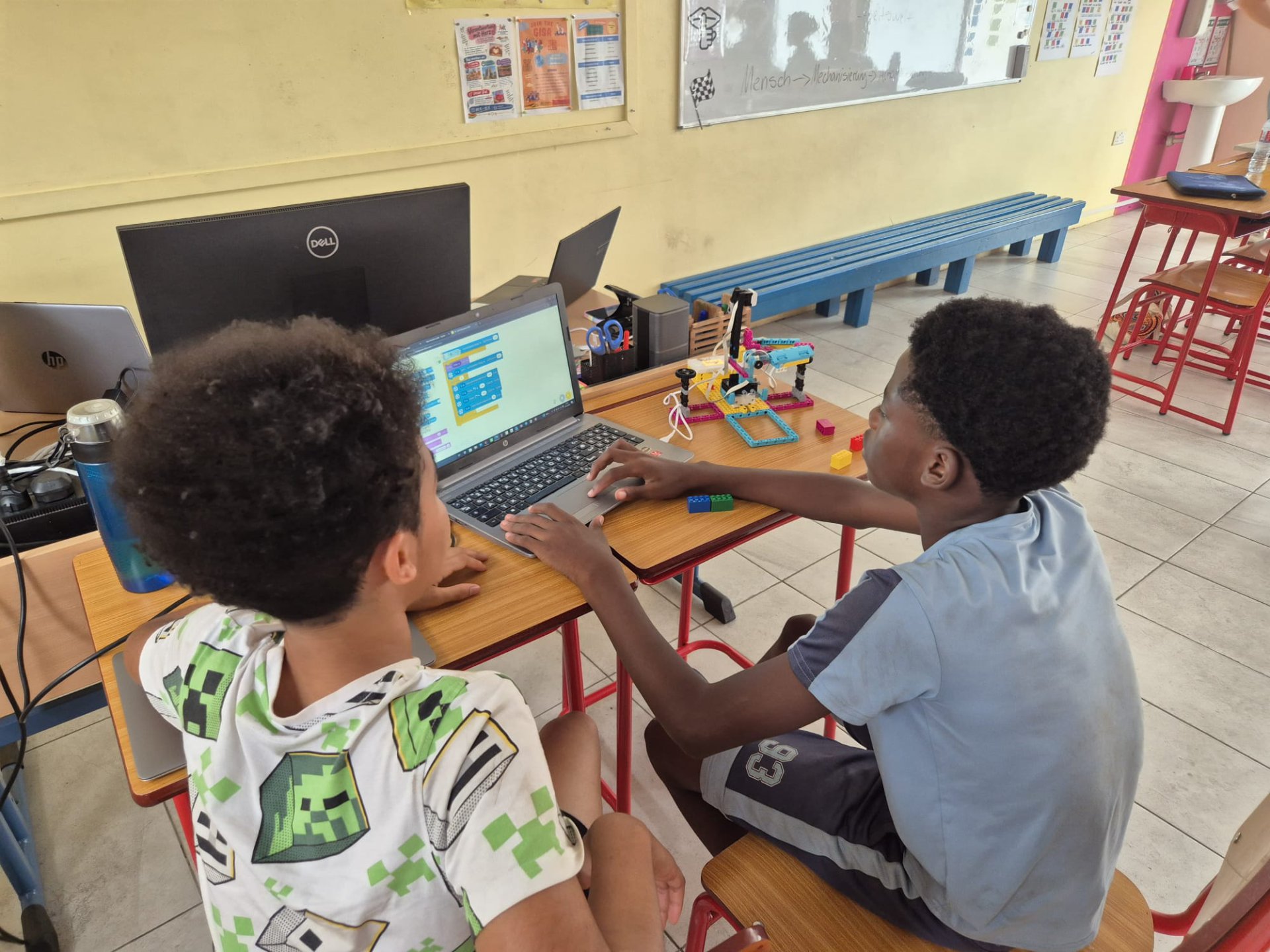
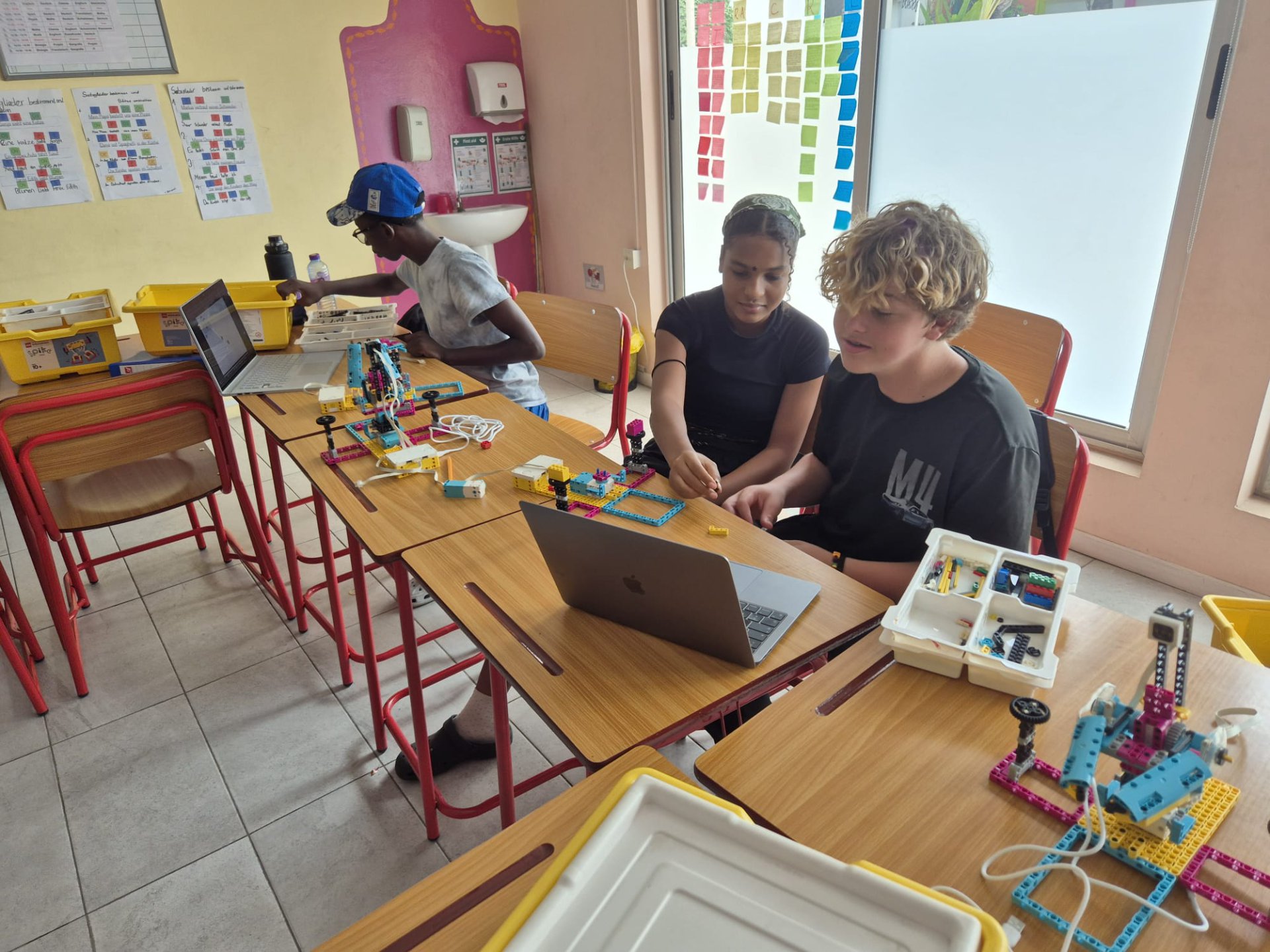
In Grade 8, technology met real-world logistics. Using LEGO robotics, students simulated the operation of a harbour crane, demonstrating how automated processes work in modern logistics. Programming, technical understanding and economic concepts were brought together in a practical learning experience.
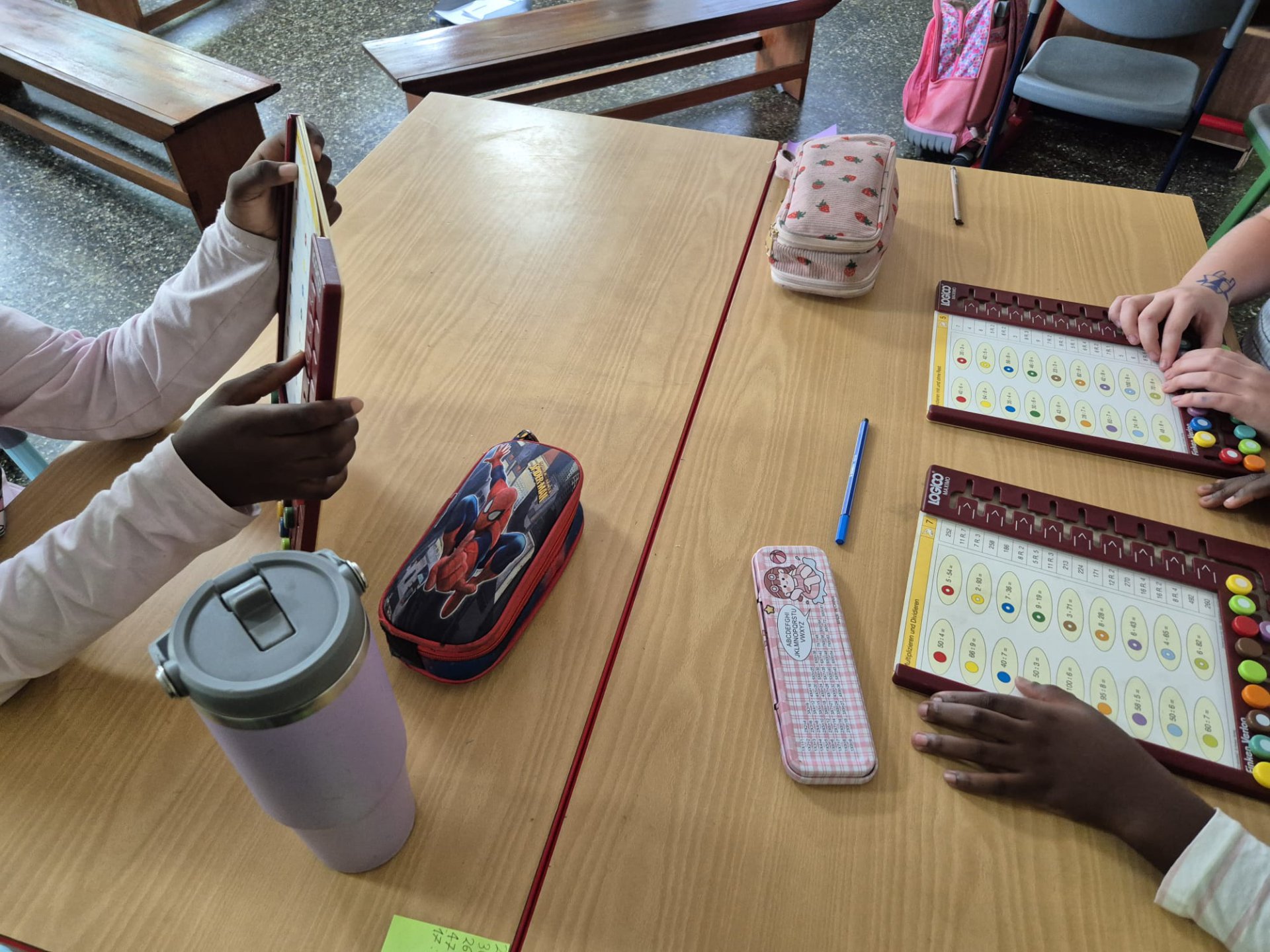
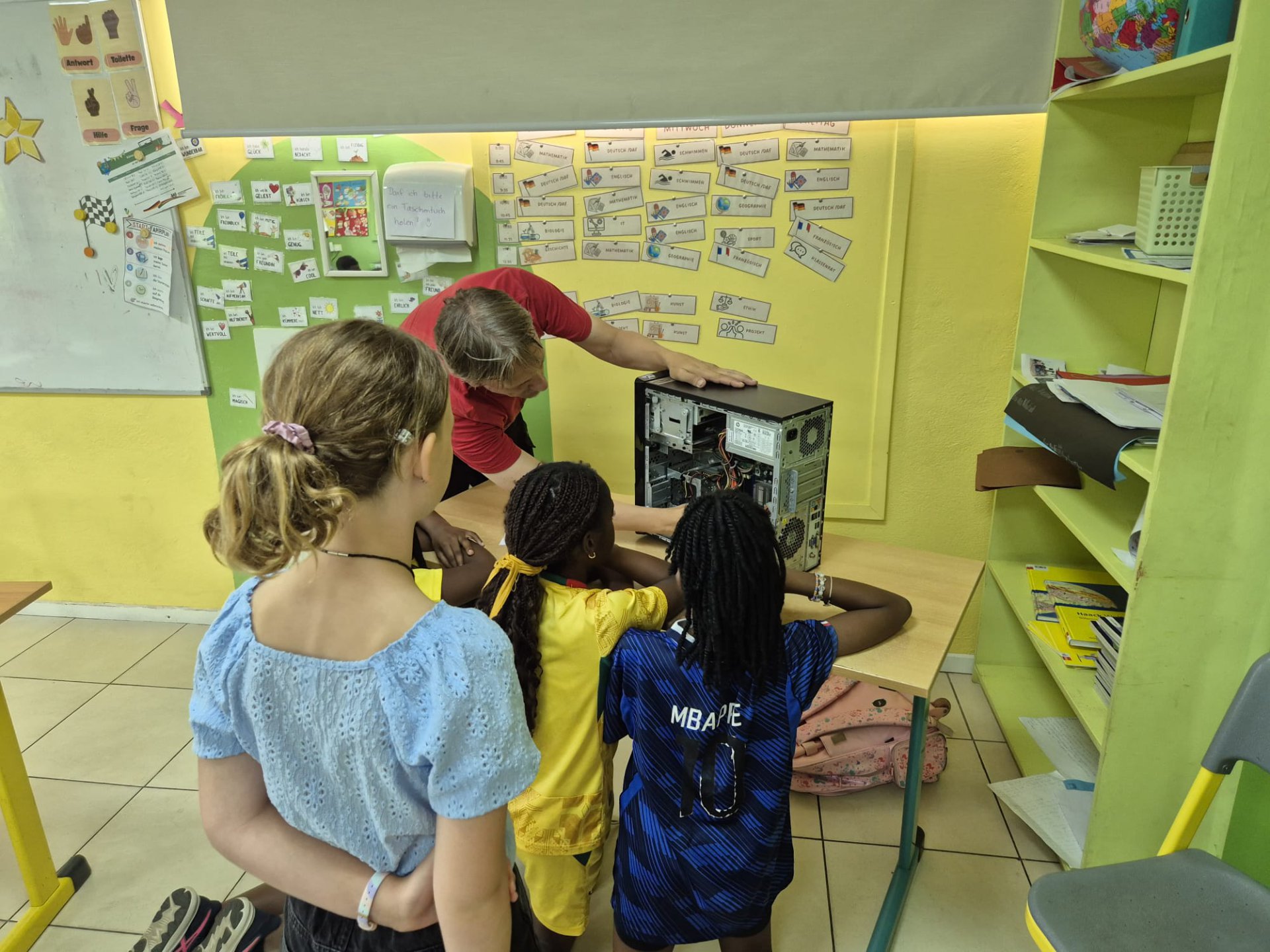
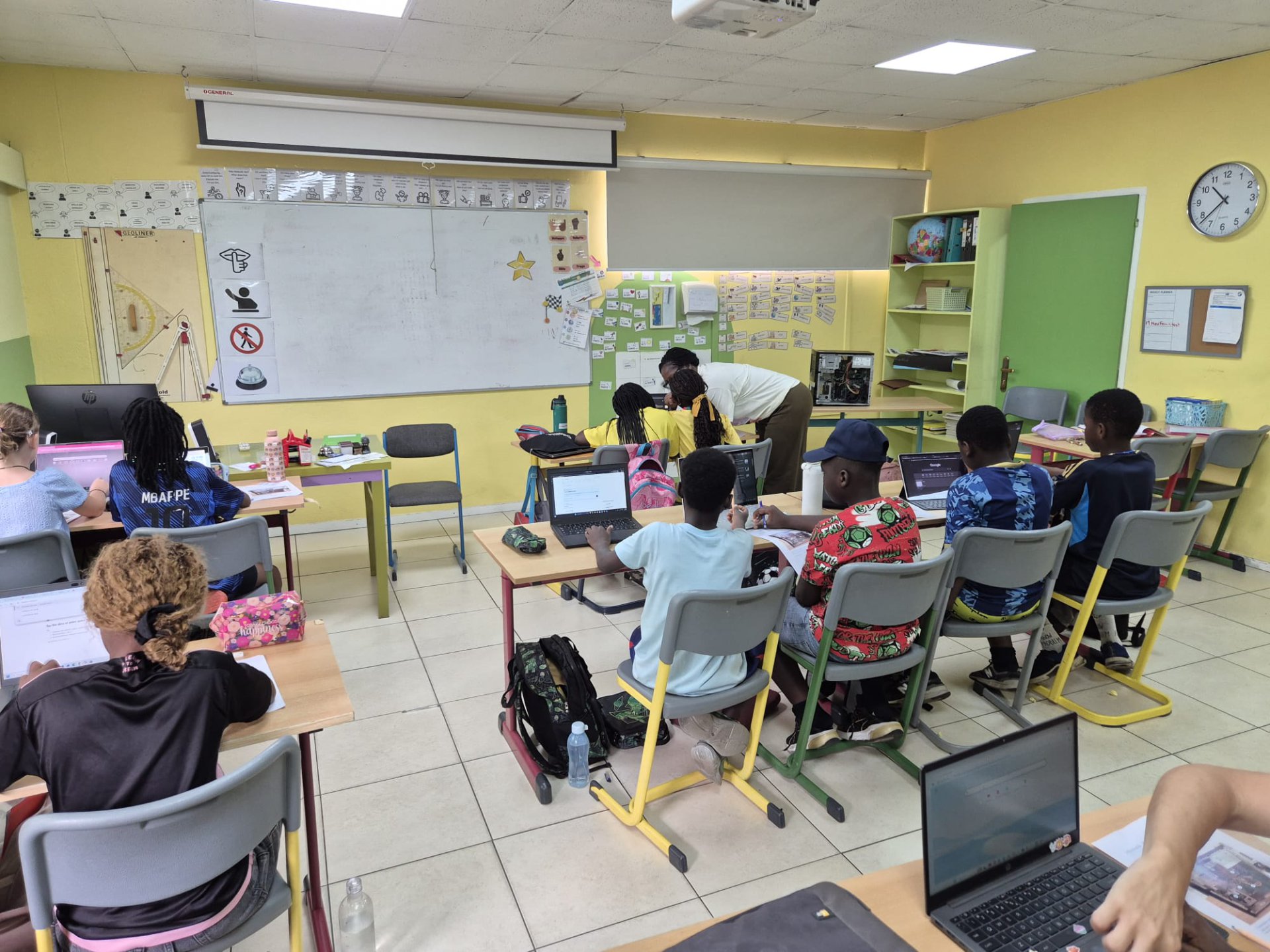
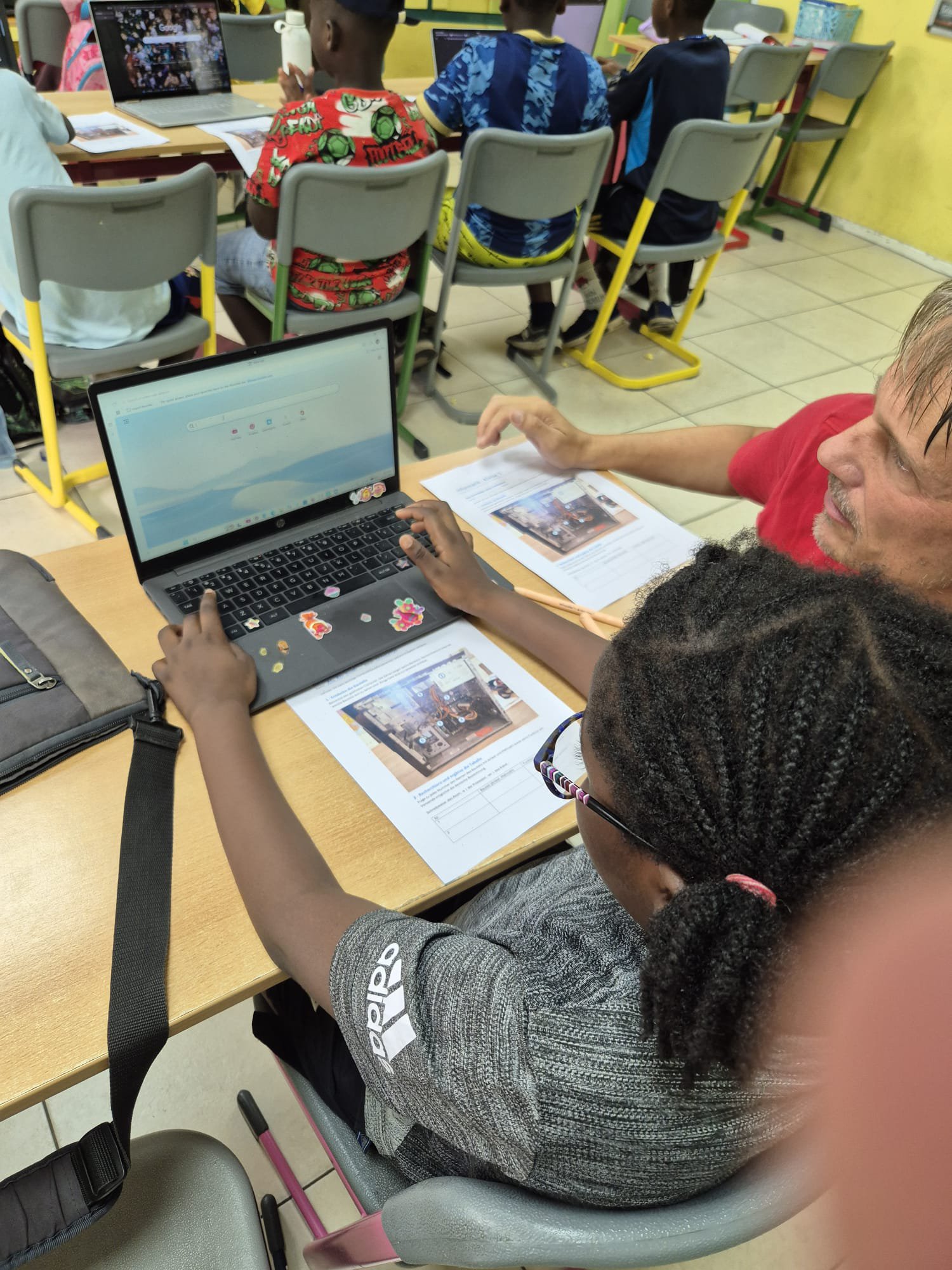
Grade 5 explored computer hardware, identifying components and matching them with their functions. Grade 6 demonstrated how e-books and digital exercises support engaging and individualised German language learning.
Grade 9 showed that digital education goes far beyond using modern devices. In a thought-provoking ethics discussion, students explored the question: “Should schools be allowed to use AI surveillance to prevent bullying and violence?” Their discussion addressed the delicate balance between safety, privacy, individual rights and the opportunities and risks associated with artificial intelligence – an excellent example of critical thinking and digital citizenship.
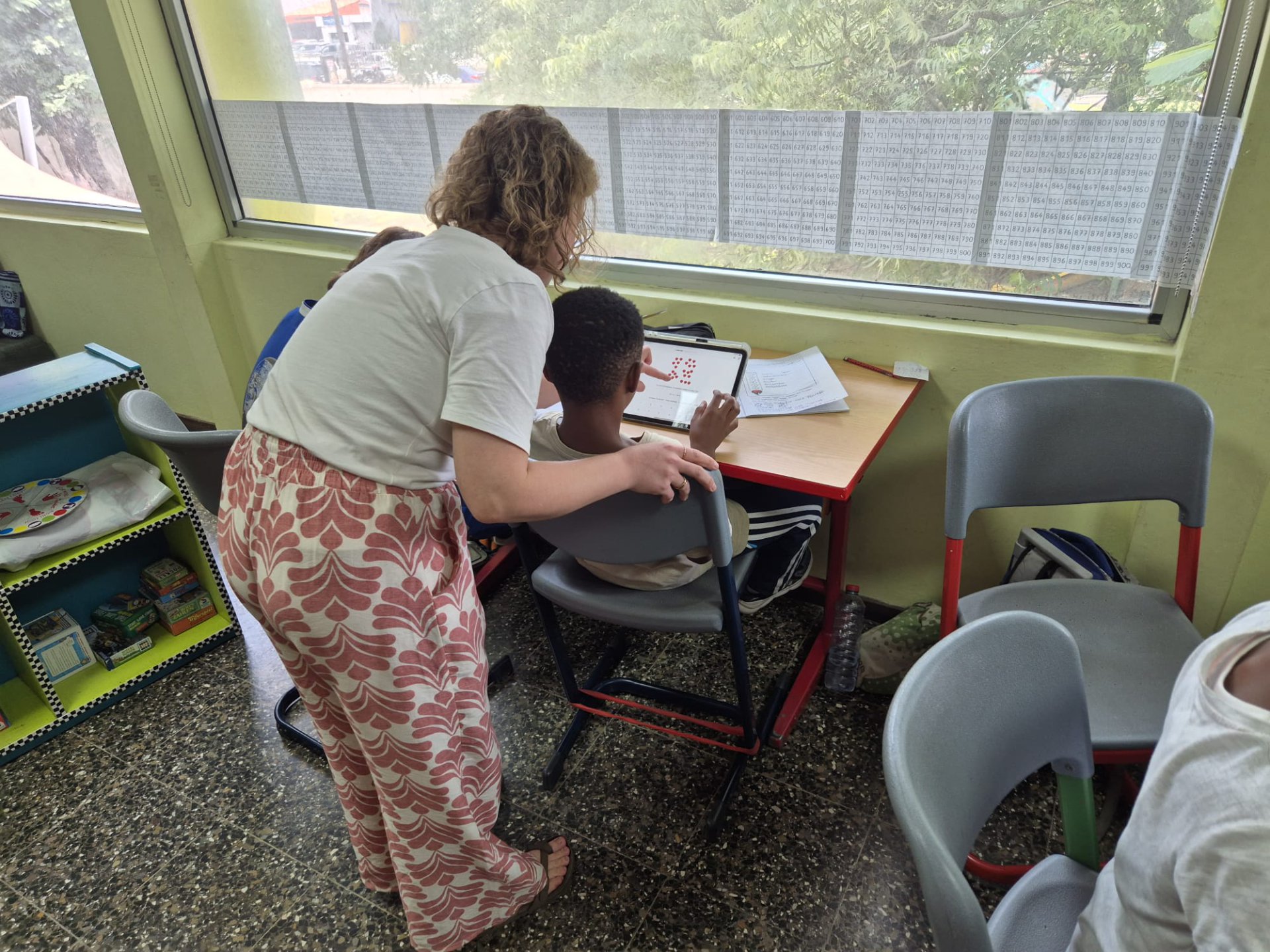
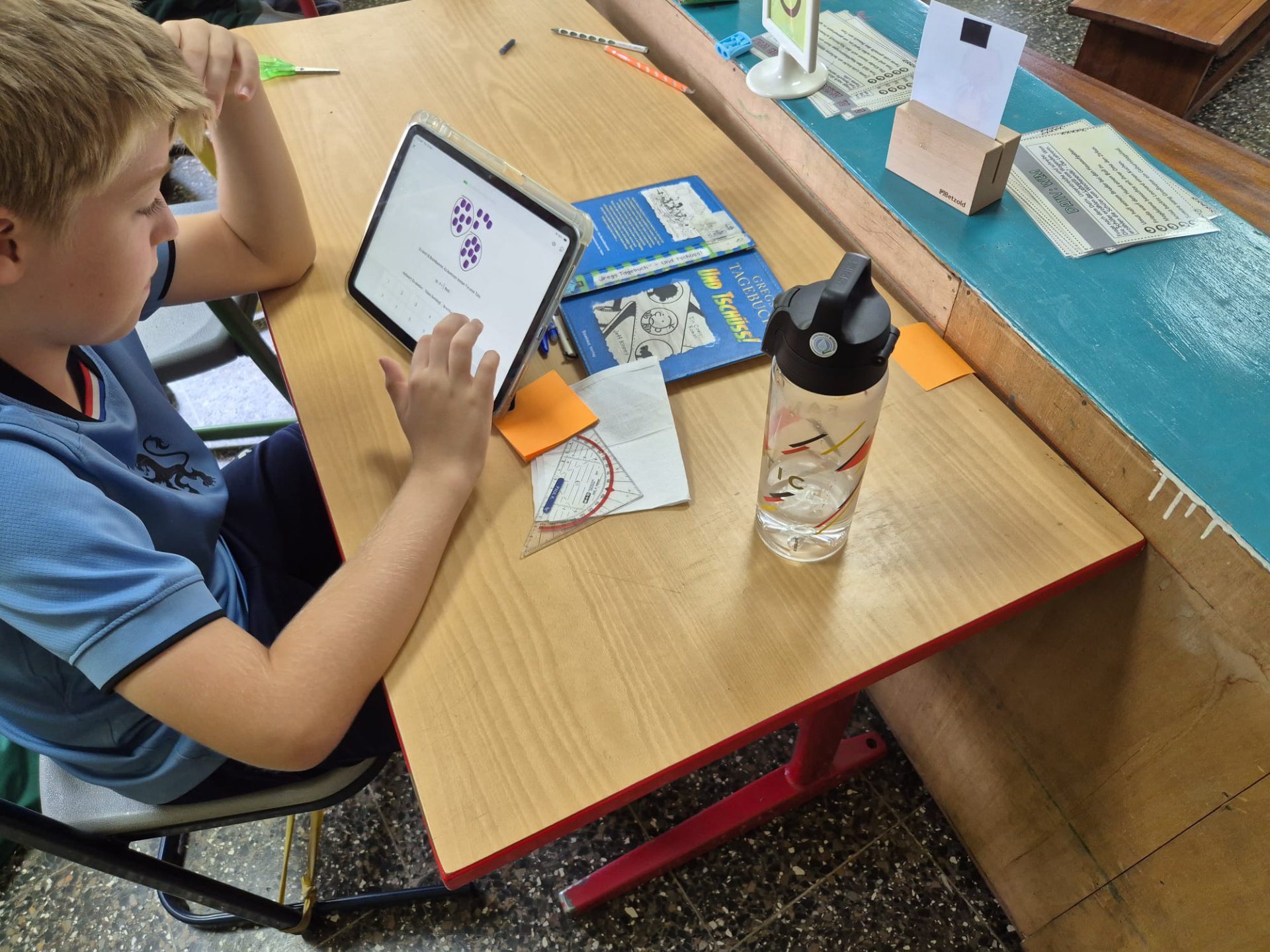
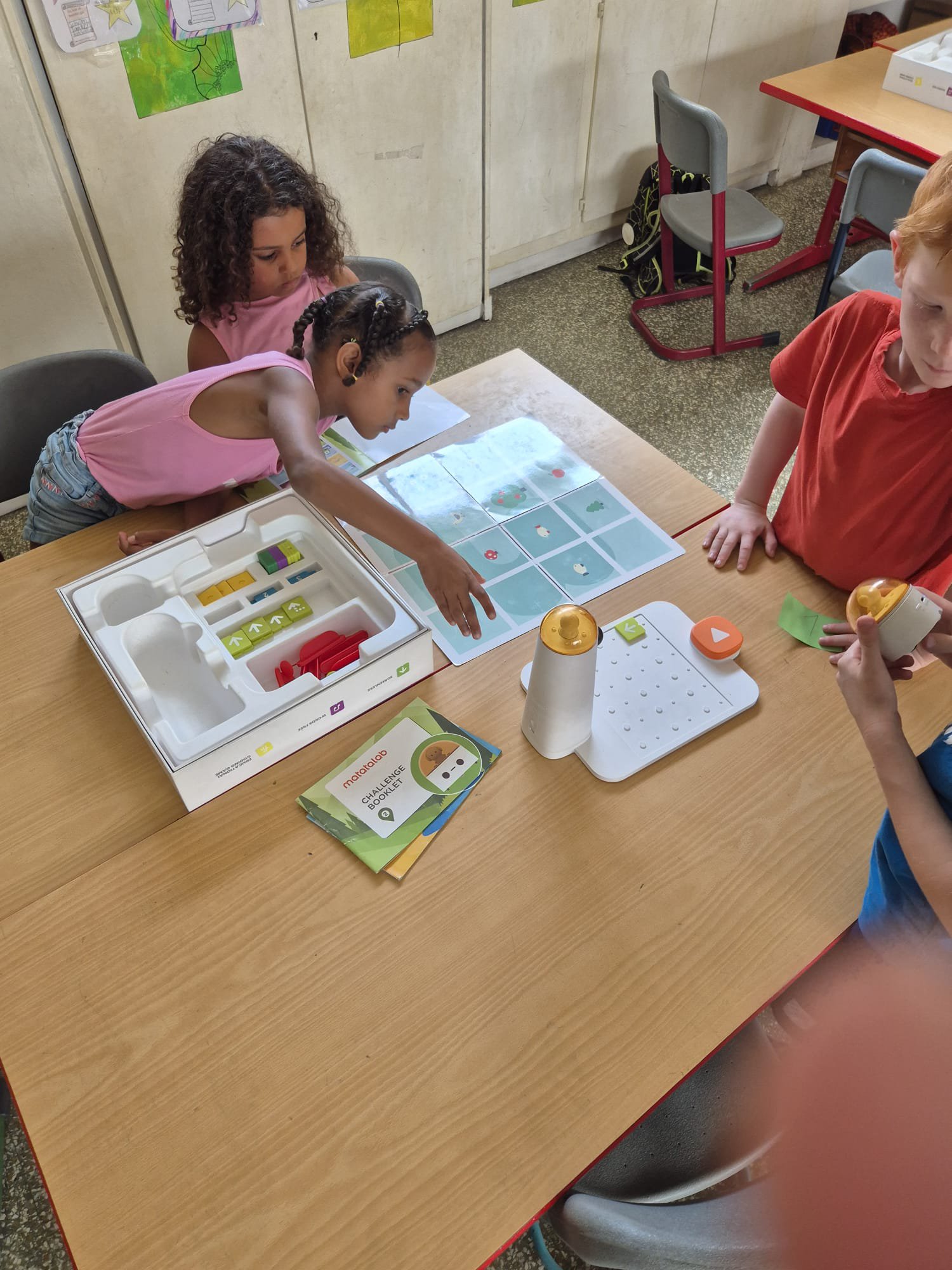
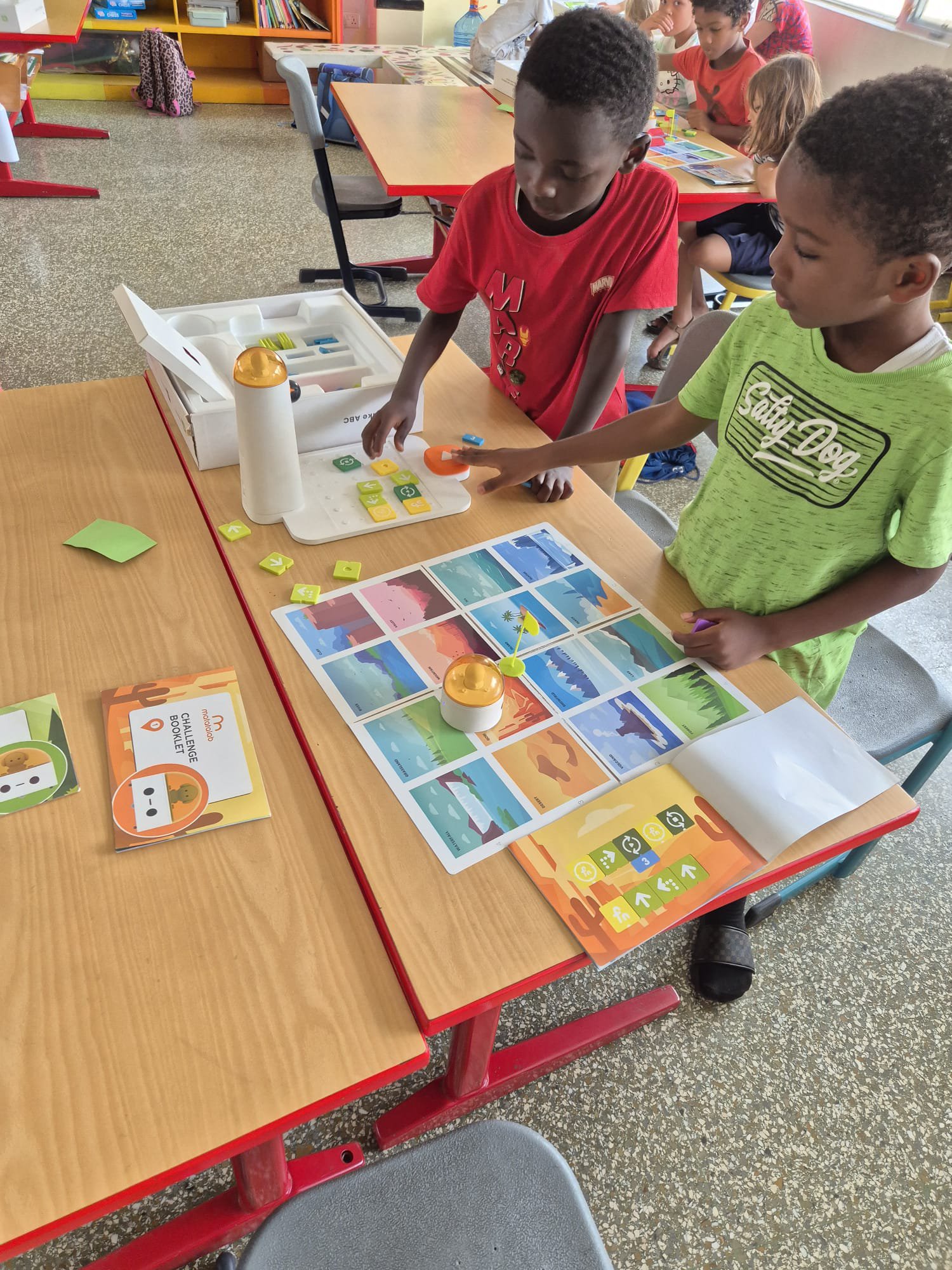
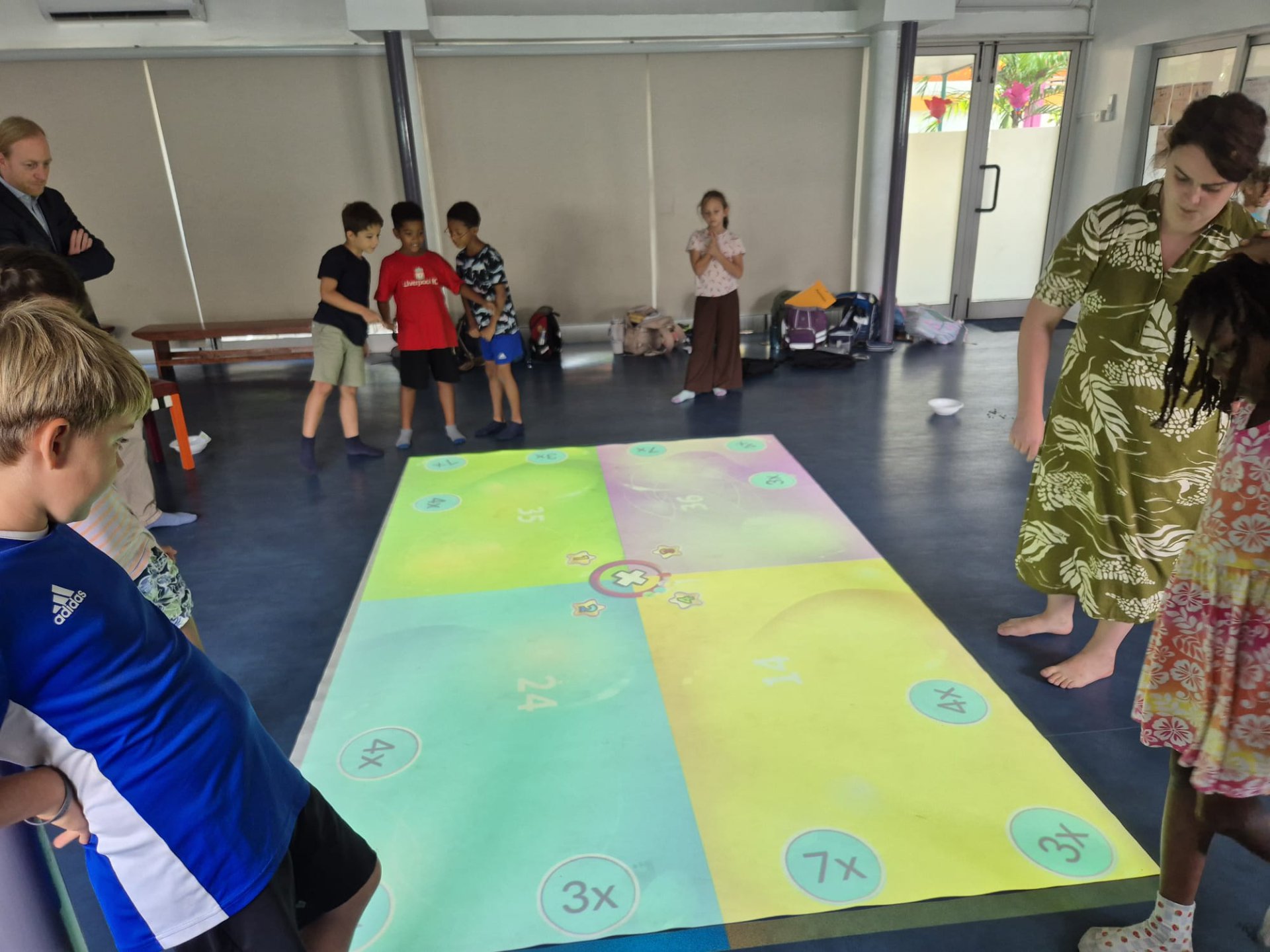
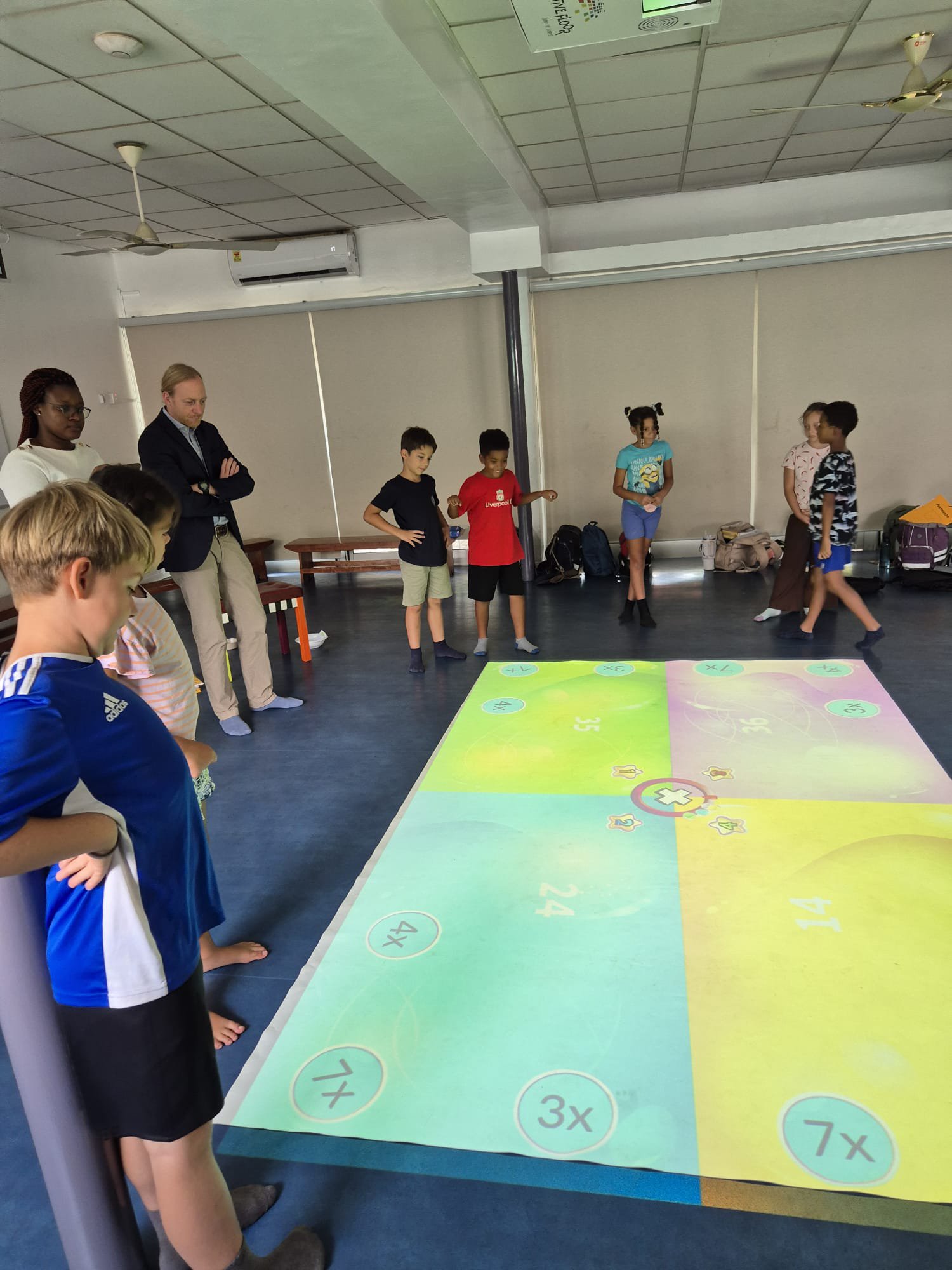
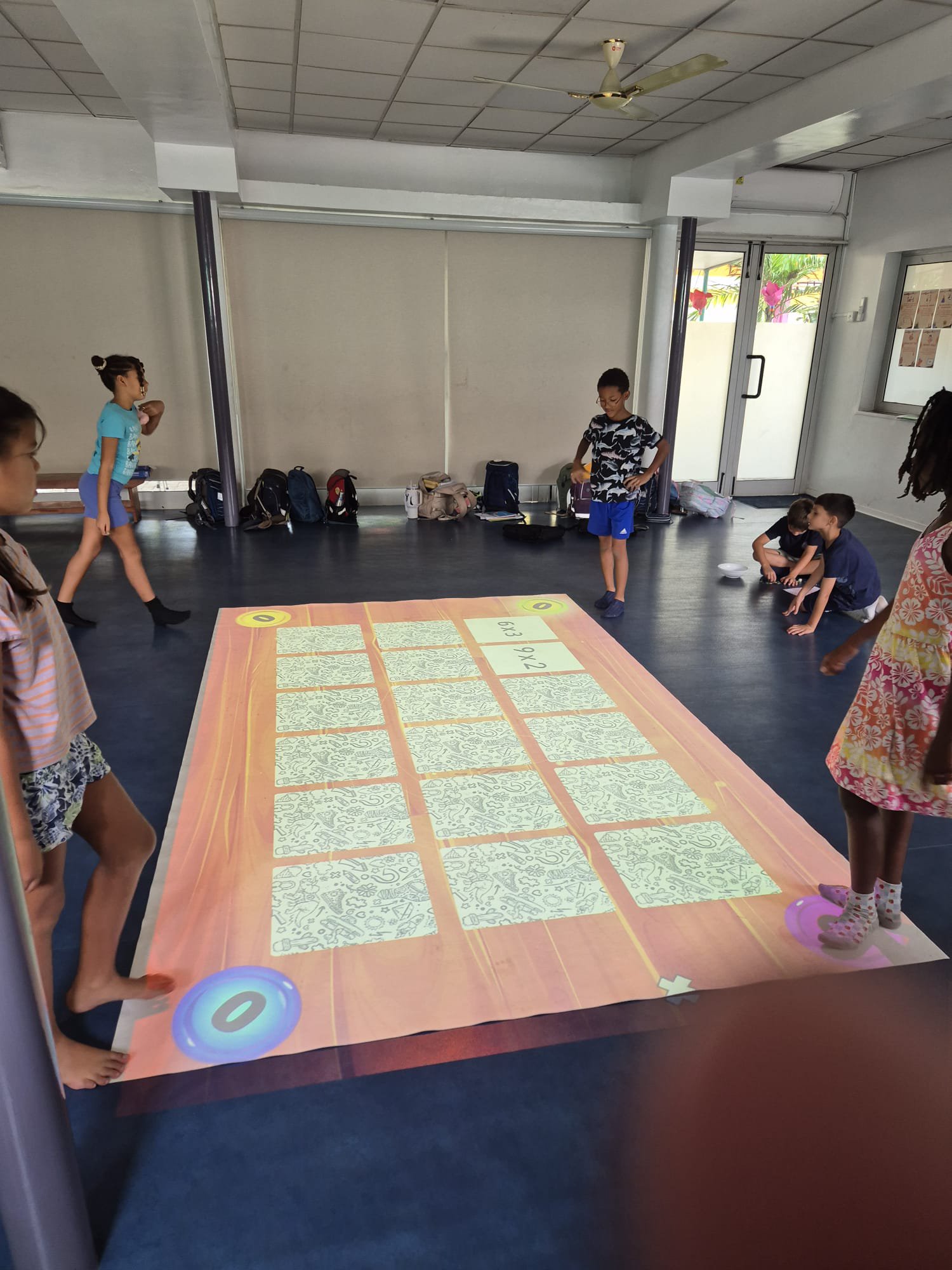
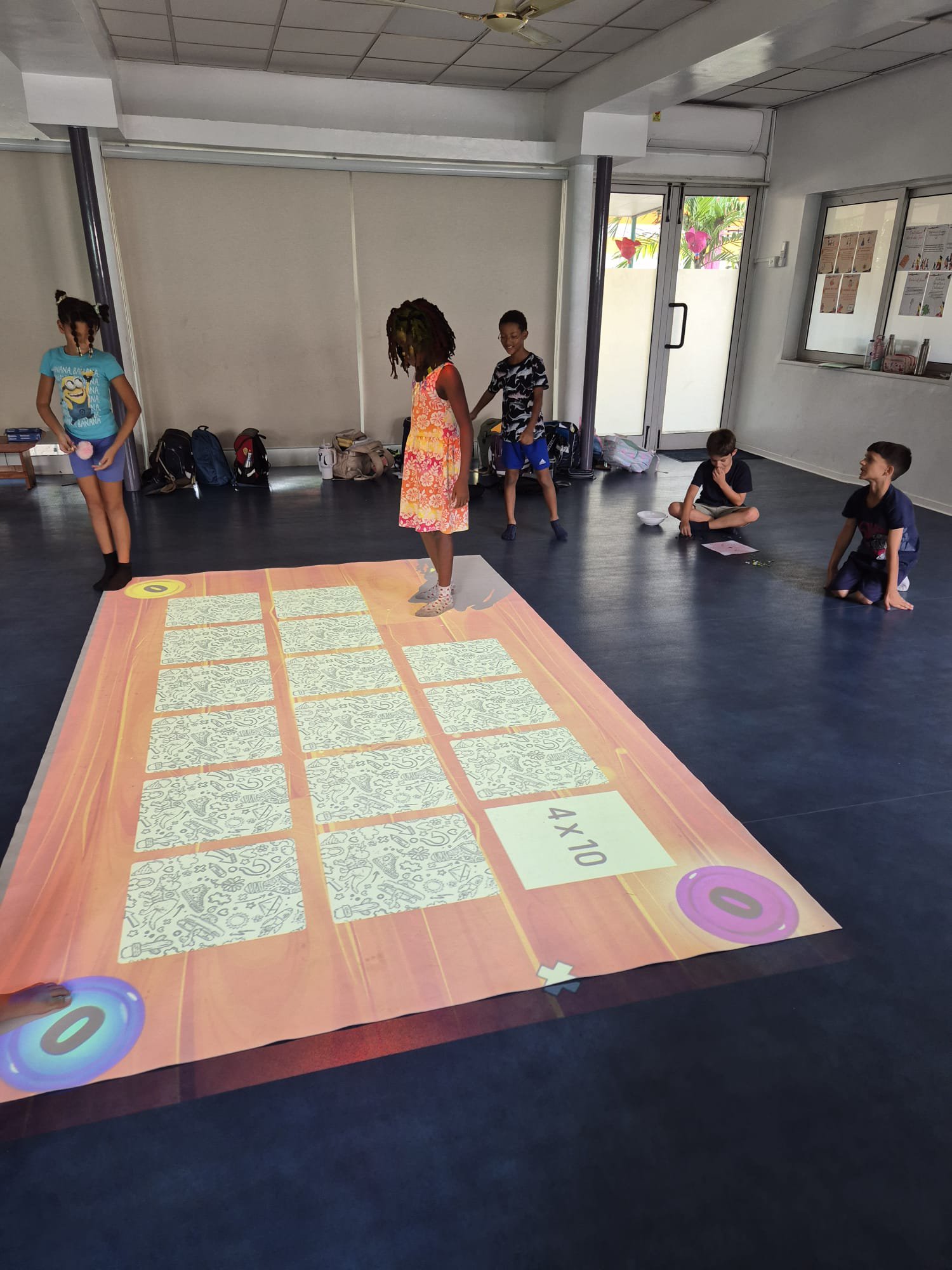
The primary school also presented a variety of creative approaches. Grade 3 used the interactive Active Floor to combine mathematics with movement and playful learning. Grades 1 and 2 explored the basics of programming and computational thinking with MatataLab, while Grade 4 demonstrated how iPads and the ANTON learning platform can support individual practice and independent learning.
Headmaster Rainer Kropp-Kurta emphasised that digitalisation is deliberately not a separate defining focus of GISA’s school profile. Instead, the priority is high-quality teaching, with digital tools used wherever they provide genuine educational benefits.
Tobias Vetter's feedback was therefore particularly encouraging. He praised both the school's digital equipment and the excellent way technology was integrated into teaching and learning. The diversity of approaches was especially impressive – from playful introductions to programming and the simulation of technical processes to critical discussions about the ethical implications of artificial intelligence.
Gerald Asamoah and Stephan Brune: A Partnership That Changes Lives
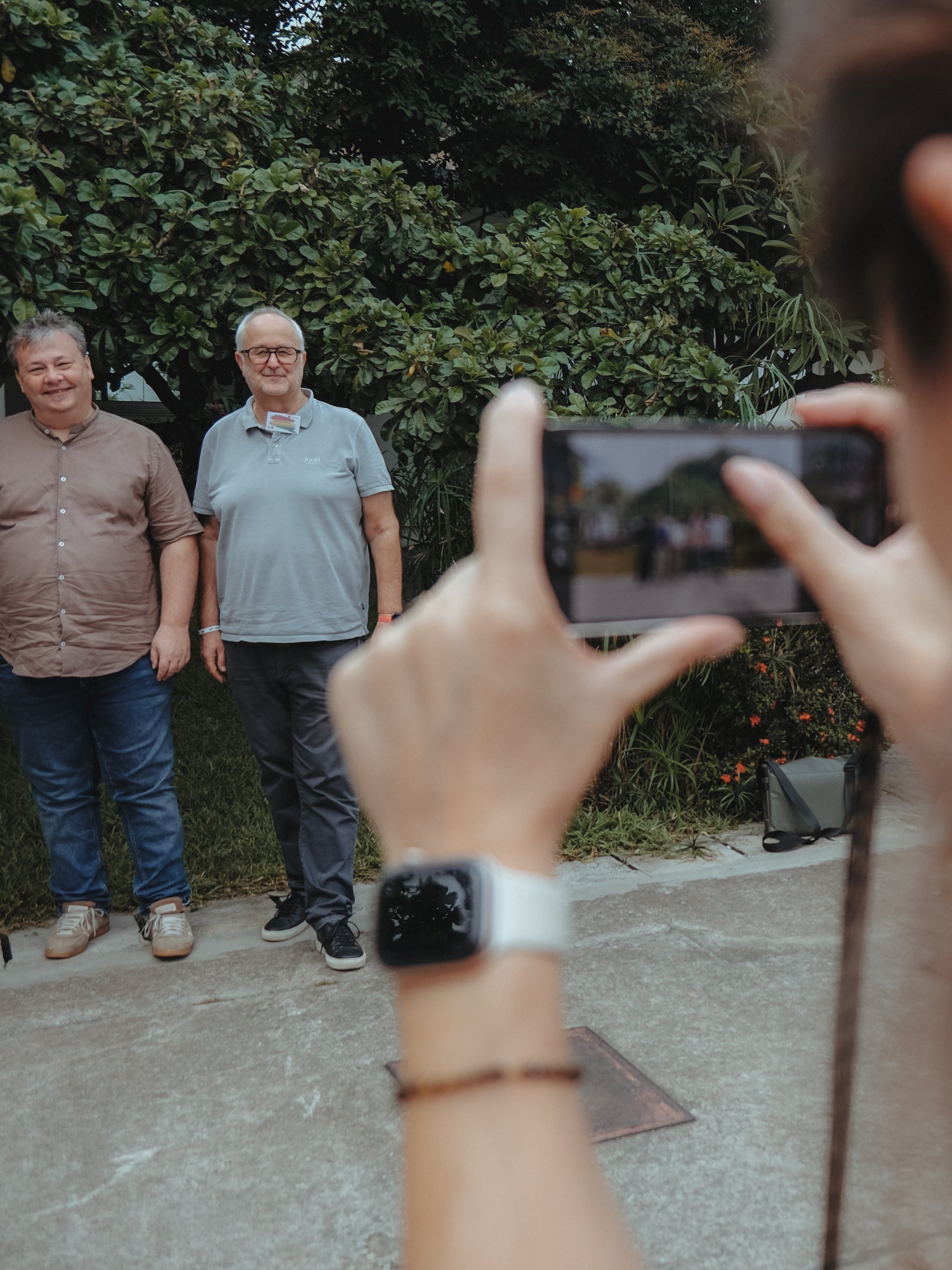
Another highlight was the personal exchange with former German international footballer Gerald Asamoah and Stephan Brune, a board member of the Gerald Asamoah Foundation for Children with Heart Disease.
During the foundation's current heart surgery mission in Ghana, both guests shared insights into its life-saving work. GISA has been a close partner since 2023, providing scholarships that open up new educational opportunities for children who have undergone heart surgery.
The school community also supports the current medical mission in practical ways. As part of their social responsibility project, “Responsibility with Heart”, Grade 8 students are helping to provide meals for the visiting medical team.
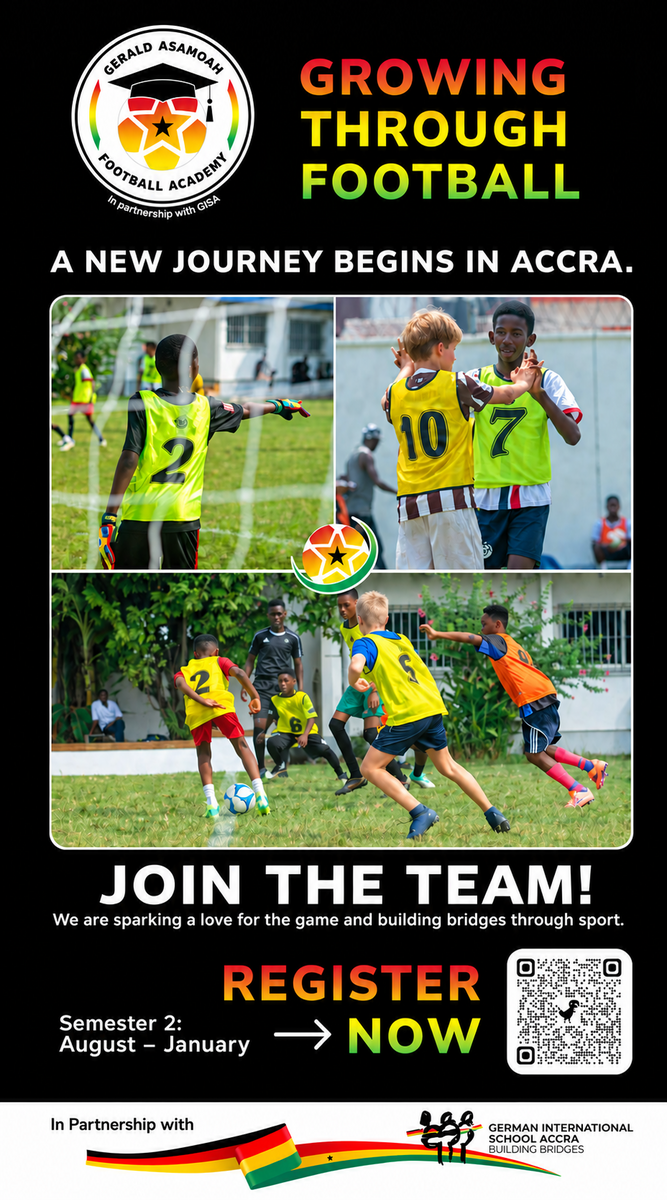
Asamoah and Brune expressed their appreciation for the strong and trusted partnership. Another successful joint initiative is the Gerald Asamoah Football Academy at GISA, which now brings together more than 70 children and young people across different age groups, including a dedicated girls' team. Sporting development, teamwork and social responsibility go hand in hand.
Education for All: The Universal Wonderful Street Academy
Judith Doe offered inspiring insights into the work of the Universal Wonderful Street Academy (UWSA). Founded in 2011, this non-governmental organisation provides free education to disadvantaged children in Jamestown and Old Ningo, while also supporting them with meals, school supplies and other essential services.
Judith Doe spoke about the challenges faced by children and families in these communities and the importance of creating sustainable educational opportunities and long-term prospects.
GISA and UWSA share a vibrant partnership that includes cultural exchanges, joint educational activities, community engagement and sports initiatives. One example is “Faces of Football”, featuring football pioneer Petra Landers, which brings together girls from different social backgrounds through football and financial education.
The exchange once again highlighted the transformative power of education and its ability to build bridges and change lives.
Building Bridges – Between Countries, People and Communities
At the end of an inspiring and eventful morning, one message stood out: A good school is defined not only by modern facilities, strong curricula or academic achievements.
Above all, it is defined by how it empowers young people to think independently, take responsibility and use their abilities to make a positive difference.
Whether exploring the International Space Station through virtual reality, programming a harbour crane, discussing the ethical boundaries of artificial intelligence, playing football or supporting children with heart conditions and those from disadvantaged backgrounds, GISA combines academic learning with meaningful social engagement.
The German International School Accra sincerely thanks Tobias Vetter and Yolande Yayra Pelagie Gake for their visit and the valuable professional exchange. Special thanks also go to Gerald Asamoah, Stephan Brune and Judith Doe, whose personal contributions highlighted the wider social impact of education at GISA.
A morning that perfectly captured what our school's guiding principle means in everyday life: Building Bridges – Brücken bauen.

⚽Gerald Asamoah Football Academy
The Long Night of Mathematics & Reading Aloud
Christmas Market
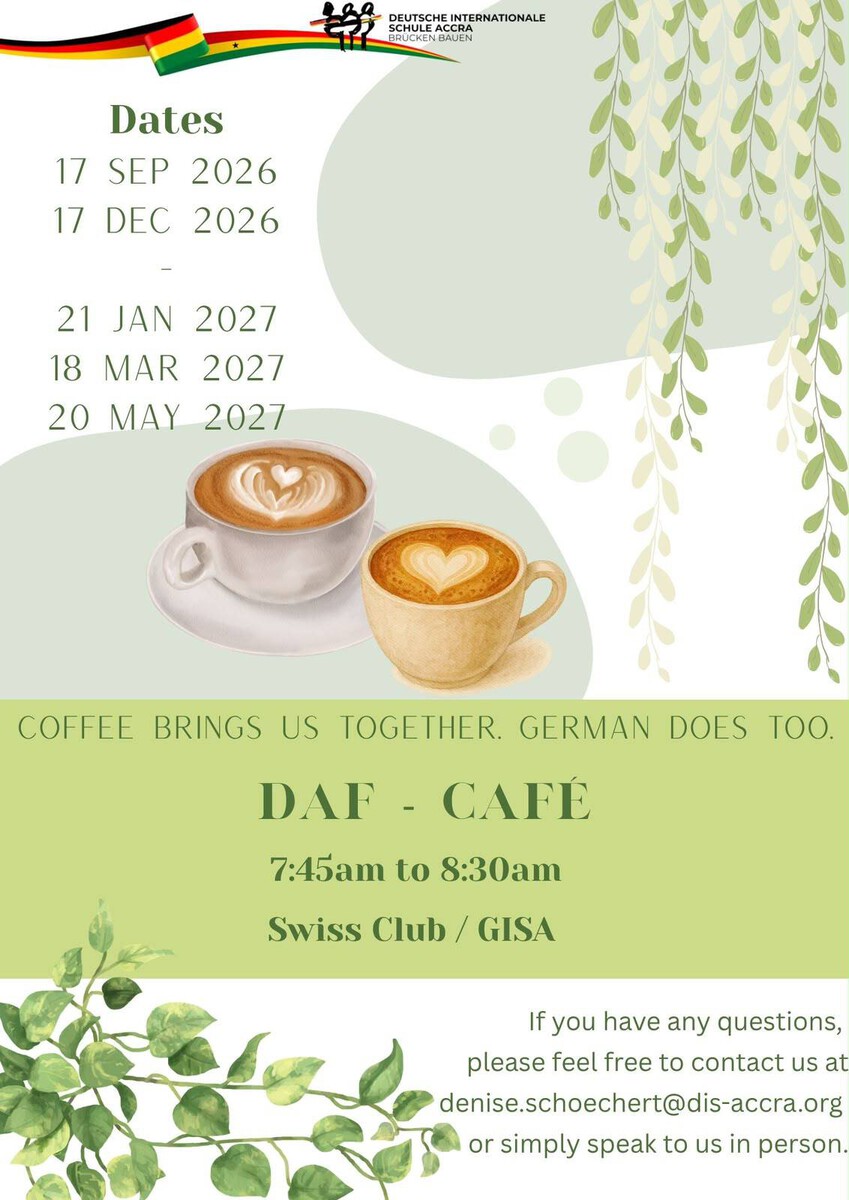
☕ DaF Café: Speaking German and Connecting Through Conversation
GISA Teen Club