Responsibilty with Heart - a social project by class 8


 As our Secondary School continues to grow, the German International School Accra is not only expanding its academic offer. Step by step, we are also developing a school profile that combines academic learning with social responsibility, initiative and personal development.
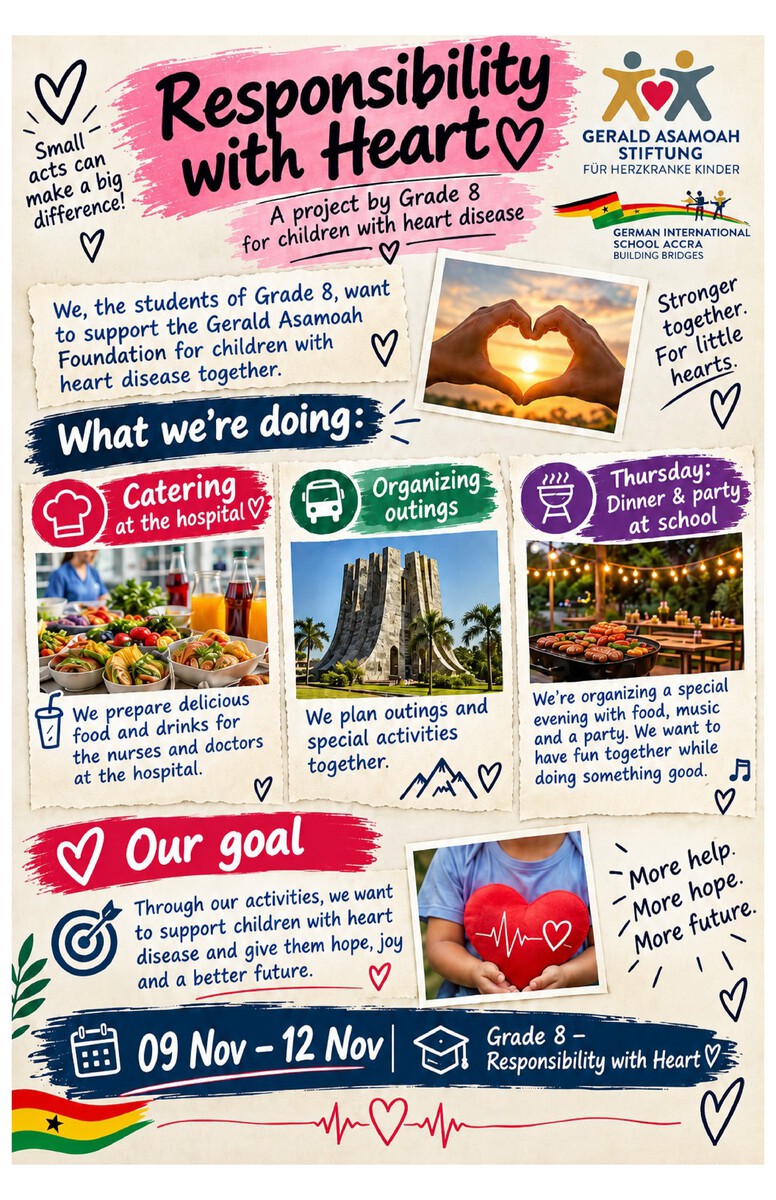
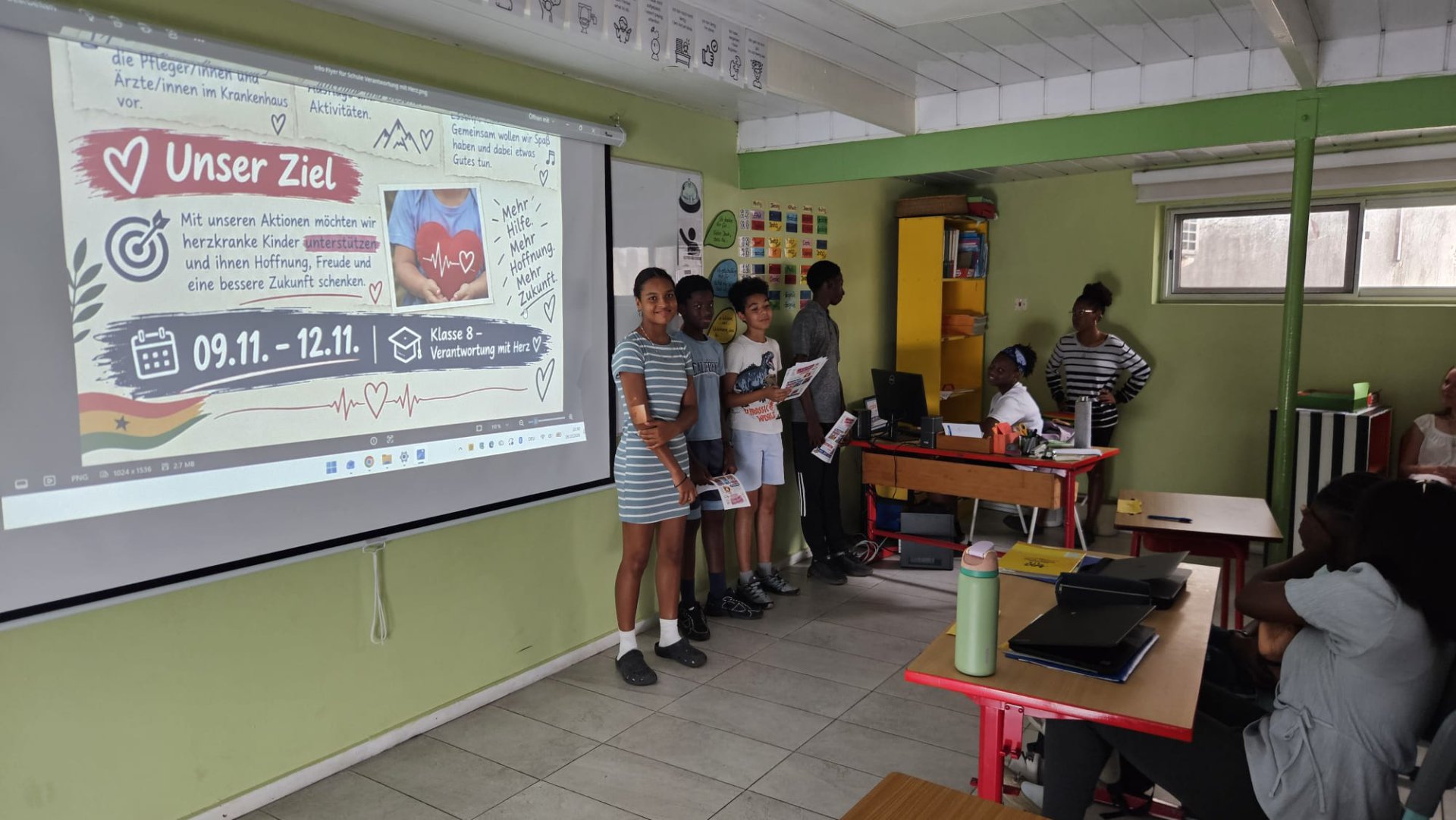
Following Grade 7, which is working with Chance for Children as part of its project workshop, Grade 8 is now taking responsibility through its own social project. Under the title “Responsibility from the Heart”, the students are supporting the Gerald Asamoah Foundation and its work for children with heart conditions in Ghana.
The project is deliberately designed so that adults do not simply organise a ready-made charity project for the students to join. Instead, the students themselves are expected to plan, make decisions, divide responsibilities, organise, communicate and ultimately experience what can grow from their own ideas and their own commitment.
The class has expressed its motivation very clearly: every child deserves a chance and a healthy life. At the same time, the students want to learn through the project what teamwork, responsibility and practical support can mean in real life.
From an Idea to Taking Action
In November, a medical team from Germany will once again travel to Ghana to treat and operate on children with heart conditions. For Grade 8, this mission becomes a very special learning opportunity.
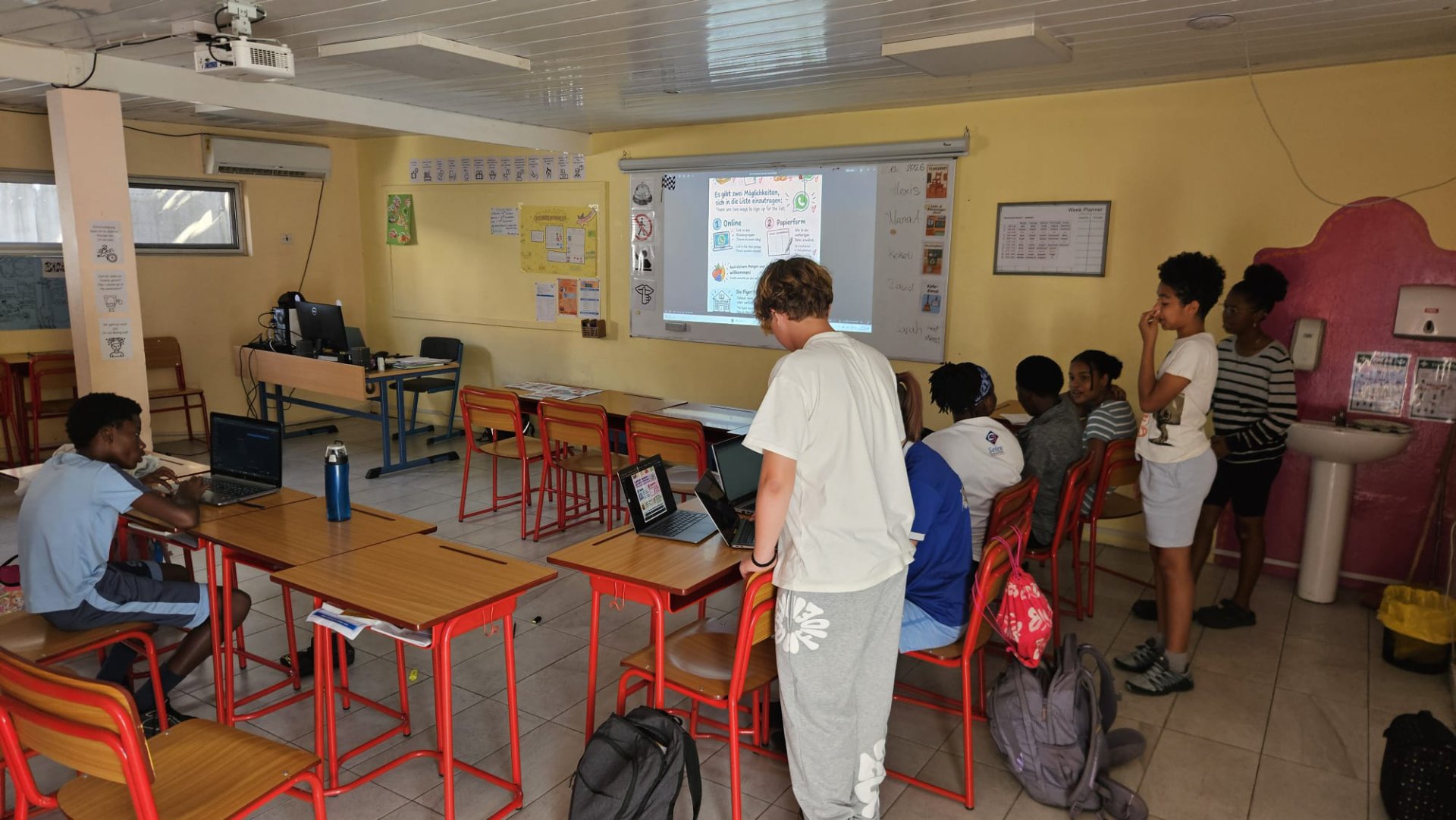
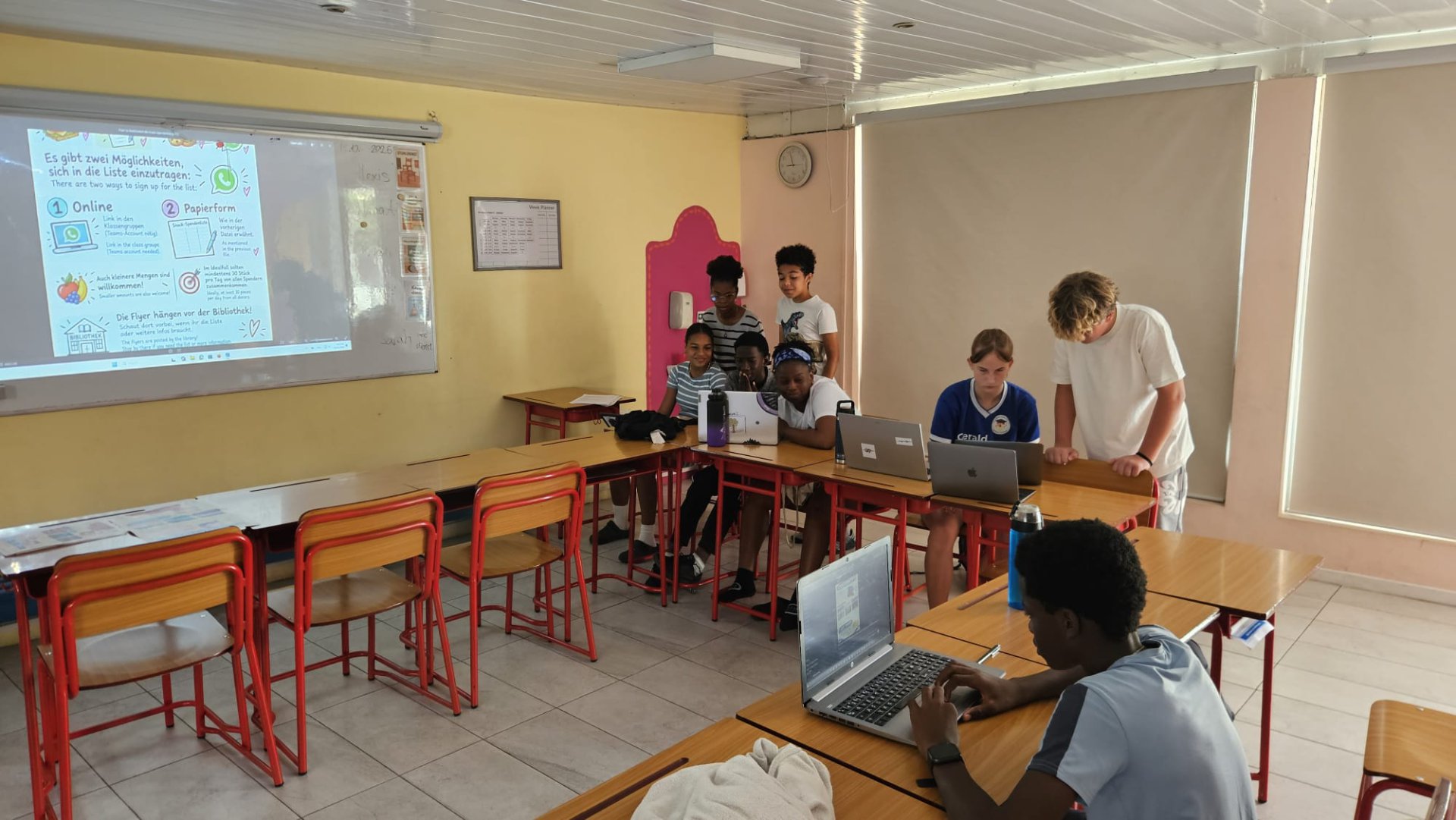
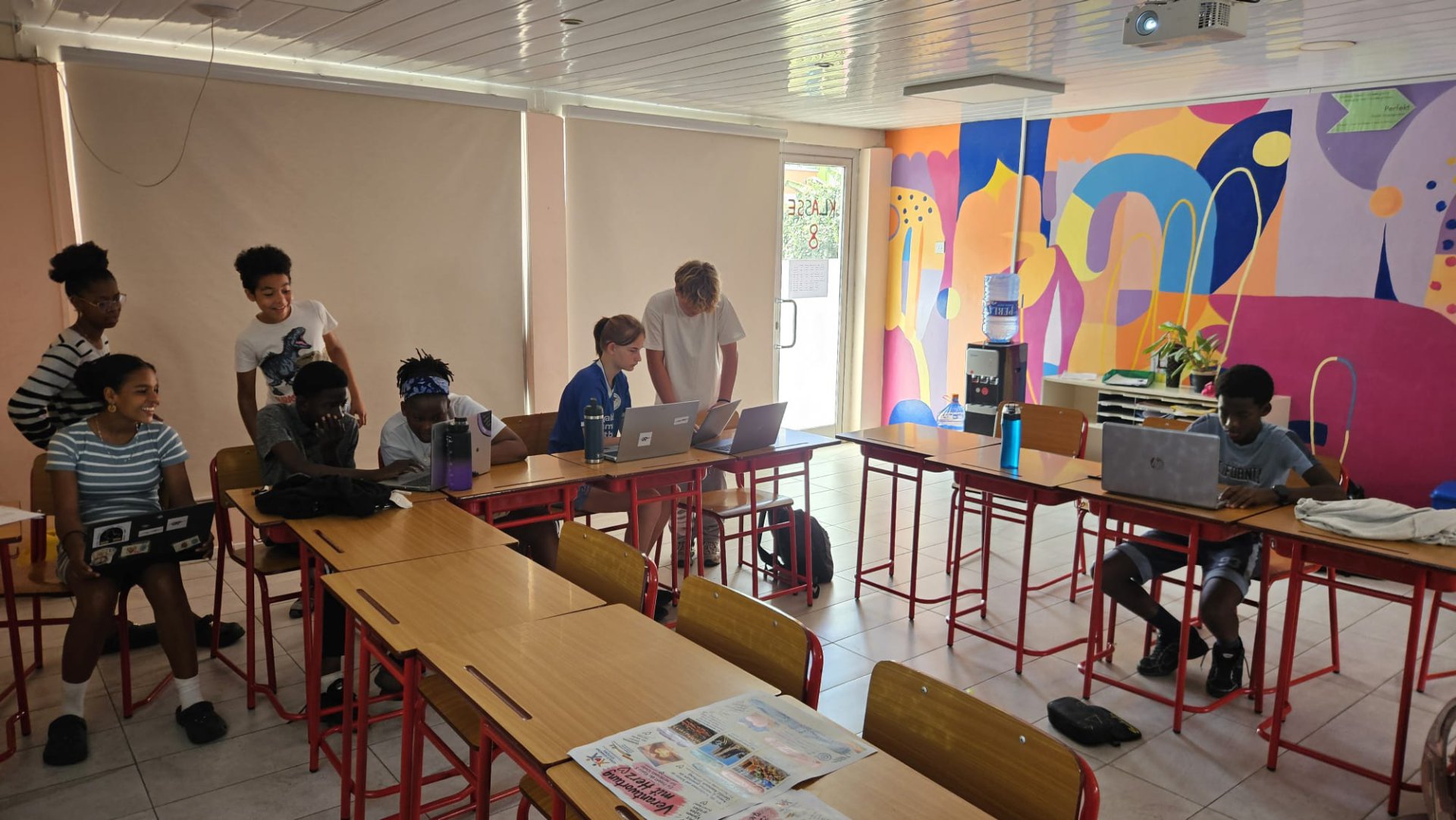
The students are considering for themselves how they can meaningfully support the medical team. They are preparing catering, planning shared excursions and organising a special evening with food, a barbecue and time together. They also want to involve the entire school community and ask for donations in kind as well as financial support.
This means taking on very concrete responsibility.
What will be needed for the catering? What quantities have to be planned? Who will take responsibility for which task? What can the class organise on its own? Where will support from the wider school community be needed? How can an excursion be planned effectively? What is needed to make a shared evening successful?
Questions like these turn an idea into real project work.
The students have to communicate with one another, make decisions, find compromises and be able to rely on each other to complete the tasks they have agreed to take on. This is a central part of the project: responsibility is not only discussed – it is actually practised.
“A Chance to Make a Difference”
The students’ own reflections show how consciously they are approaching this responsibility.
David describes the project as an opportunity “to make a difference in the lives of others”. At the same time, he appreciates the chance to gain insight into areas “you would normally never get to see”.
Alexis also connects his own contribution directly with helping the children. He sees the project as meaningful because he can support the medical team, which in turn helps children with heart conditions.
Zoe sums up another central idea: she is happy to be able to support the Gerald Asamoah Foundation “because I think every child always deserves a chance”.
These comments make one thing clear: the students do not see themselves as spectators in a social project. They are increasingly recognising that they themselves can make a contribution.
Organising Catering, Supporting Guests and Building Community
One important part of the project will be supporting the medical team during its stay.
The class wants to prepare and organise food and drinks for the doctors, nurses and other team members. What may sound like a simple task at first actually requires a great deal of organisation: needs have to be identified, schedules coordinated, food and drinks arranged, and responsibilities distributed.
There are also plans for shared activities and excursions. Here too, the students are not simply expected to take part in a programme prepared by adults. They are encouraged to think for themselves about what would be meaningful and realistic.
Another highlight will be a shared evening at the school. The students will become hosts themselves. They will be involved in planning and preparation, help organise the food and the programme, and contribute to turning an organisational task into a genuine encounter.
It is precisely through these seemingly small tasks that personal responsibility becomes tangible. Taking on a task also means being accountable for making sure it works.
Inspiring the School Community to Support Their Idea
The project also includes a fundraising appeal to the GISA community.
The students want to ask for snacks, drinks and financial support. In doing so, they are also taking on another important responsibility: they need to explain their project and inspire others to support it.
Why are we collecting donations? What will the contributions be used for? What do we want to make possible? How can parents, fellow students and staff members help?
This too is an important learning process. Anyone who wants to gain support for a shared cause needs to communicate clearly, work transparently and take responsibility for the trust others place in them.
Public communication is therefore not simply something adults do for the class. It becomes another part of the project that the students themselves help to shape.
Meeting People and Exploring Professions
“Responsibility from the Heart” also creates opportunities for career orientation.
The students would like to speak with and interview the different professional groups involved in the medical mission, including doctors and nurses.
This gives them the opportunity to experience directly how many different roles are needed to make a medical mission possible.
What does it mean to take responsibility for patients? How does a medical team work together? What responsibilities do nurses have? What motivates people to travel to Ghana for such a mission? What training and skills do they need?
These questions can certainly be discussed in the classroom. But they take on a different quality when students can ask them directly to the people doing this work.
Sarah is particularly looking forward to these encounters. She is excited to find out “what it will be like when we are in the hospital” and to learn more about “what the doctors and nurses do and how everything works”. At the same time, she highlights how much she values the opportunity for students to contribute their own ideas and creativity during the preparation phase.
In this way, the project naturally combines social learning, career orientation and independent learning.
Initiative Requires Teamwork
This level of personal responsibility only works when people work together.
The class has to divide responsibilities, keep one another informed, honour agreements and respond when things do not go exactly as planned. Not every idea will necessarily be possible to implement. Some plans may need to be changed. In other situations, completely new solutions may be required.
That too is part of learning.
The students discover that taking initiative does not mean doing everything alone. It means contributing your own ideas while also taking responsibility within a group.
Along the way, they develop skills that go far beyond individual school subjects: planning, organising, communicating, listening, making decisions, solving problems, working in teams and acting reliably.
Kekeli therefore sees the project not only as support for children with heart conditions, but also as a valuable experience for the students themselves.
Helping Others Becomes a Real Experience
“Responsibility from the Heart” turns an abstract value into a concrete experience.
Helping others in this project does not simply mean donating money. It can mean organising food, setting a table, accompanying guests, asking questions, preparing an interview, planning an excursion or making sure that an agreed task is completed properly.
The students experience that even small contributions matter when many people take responsibility together.
Lucien expresses this idea very simply and very powerfully: it is important to do good, and the project shows “that there is always hope”.
A Social Curriculum That Grows with Our Secondary School
Through projects like this, we want to gradually develop a social curriculum for our growing Secondary School at the German International School Accra.
In Grade 7, the partnership with Chance for Children focuses on social responsibility, students’ own project ideas, participation and democratic decision-making.
In Grade 8, “Responsibility from the Heart” now represents the next step: the students take on concrete tasks in a real social project and experience directly that their decisions, reliability and initiative are needed.
The aim is not to create as many individual activities as possible. What matters is the learning process behind them: recognising needs, developing ideas, listening, making decisions, planning, taking on responsibilities, acting and then reflecting together on what has been learned.
Social competence, empathy, personal responsibility, teamwork and social engagement therefore become more than classroom topics – they become lived experiences.
Making a Big Difference Through Small Actions
The class has chosen a simple motto for the project:
“Making a big difference through small actions.”
That is exactly what “Responsibility from the Heart” is about.
The students cannot perform heart surgery themselves. But they can support the people who do.
They can plan and organise. They can prepare food and drinks. They can collect donations and inspire others to support their idea. They can welcome guests, conduct interviews, listen and ask questions. And they can take responsibility for the tasks they have chosen to undertake.
Above all, they can experience that social engagement does not begin at some distant point in adulthood.
It begins when young people recognise a task, develop their own ideas and decide together:
We can do something ourselves.
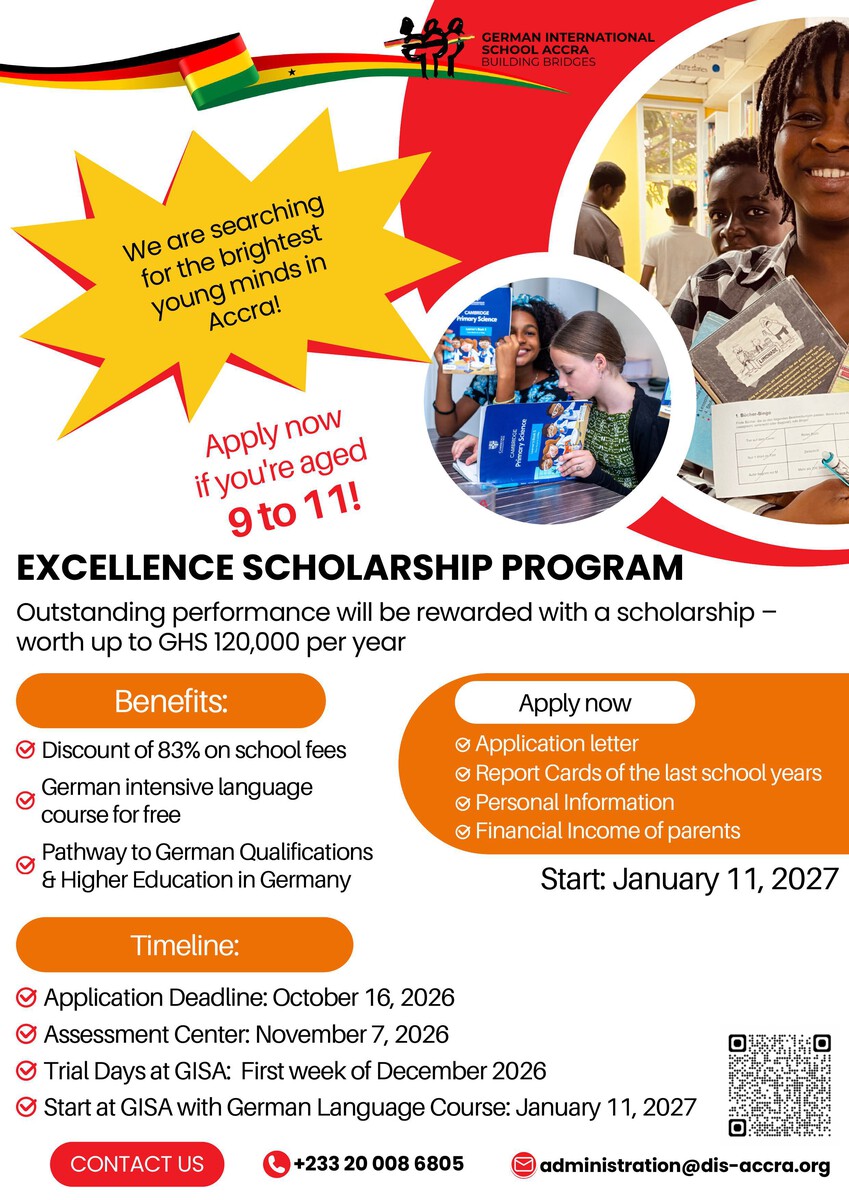
Excellence Scholarship Programme 2027
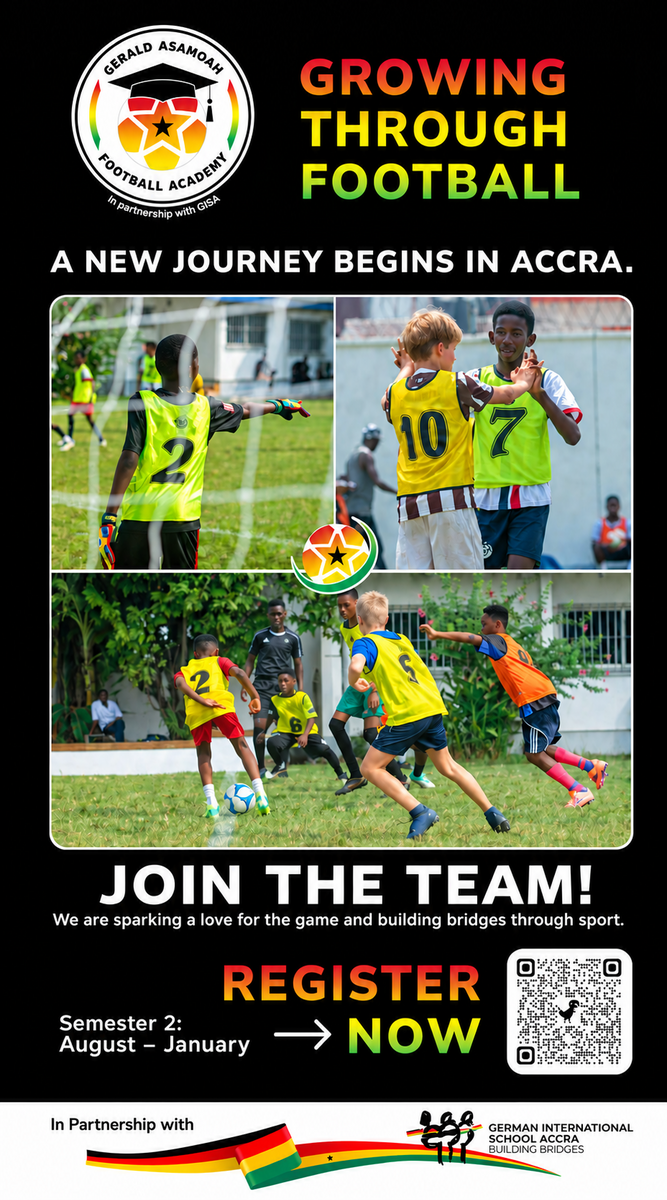
⚽Gerald Asamoah Football Academy
🇩🇪 German Language Day

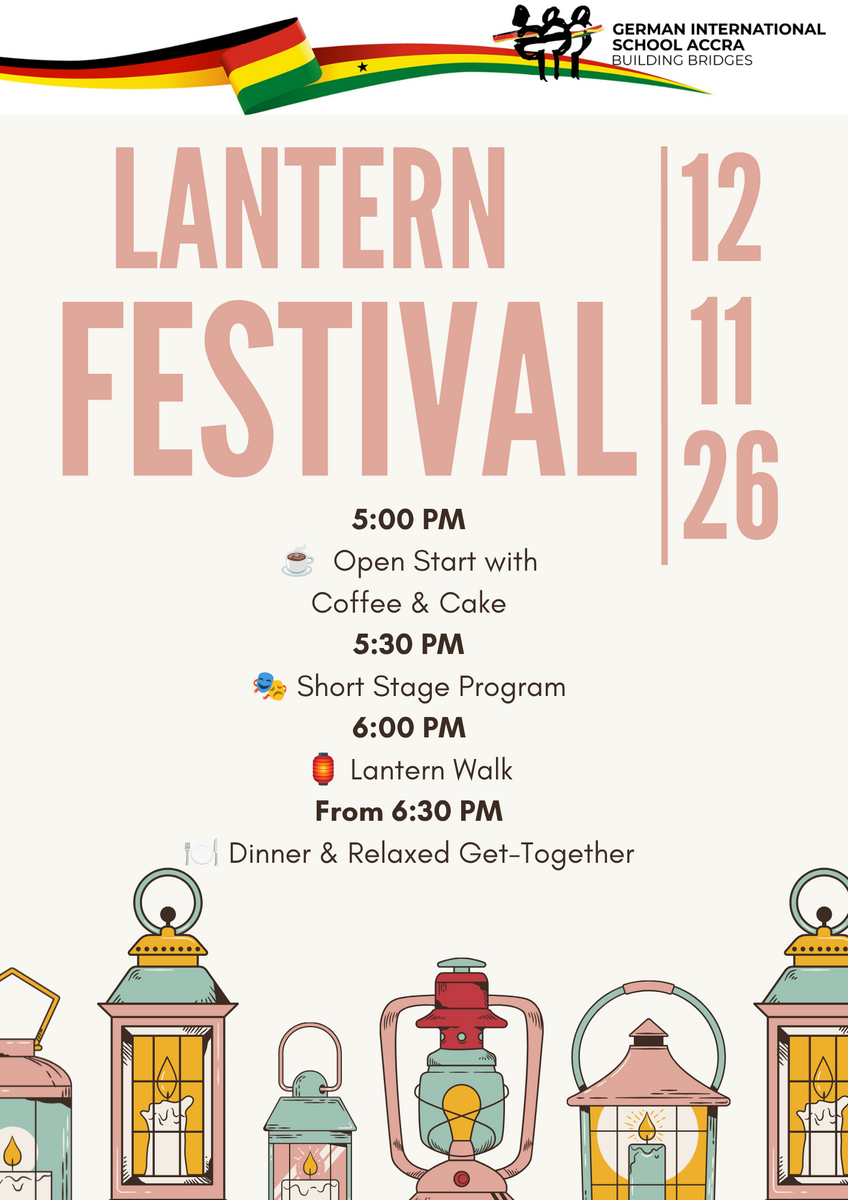
Lantern Festival
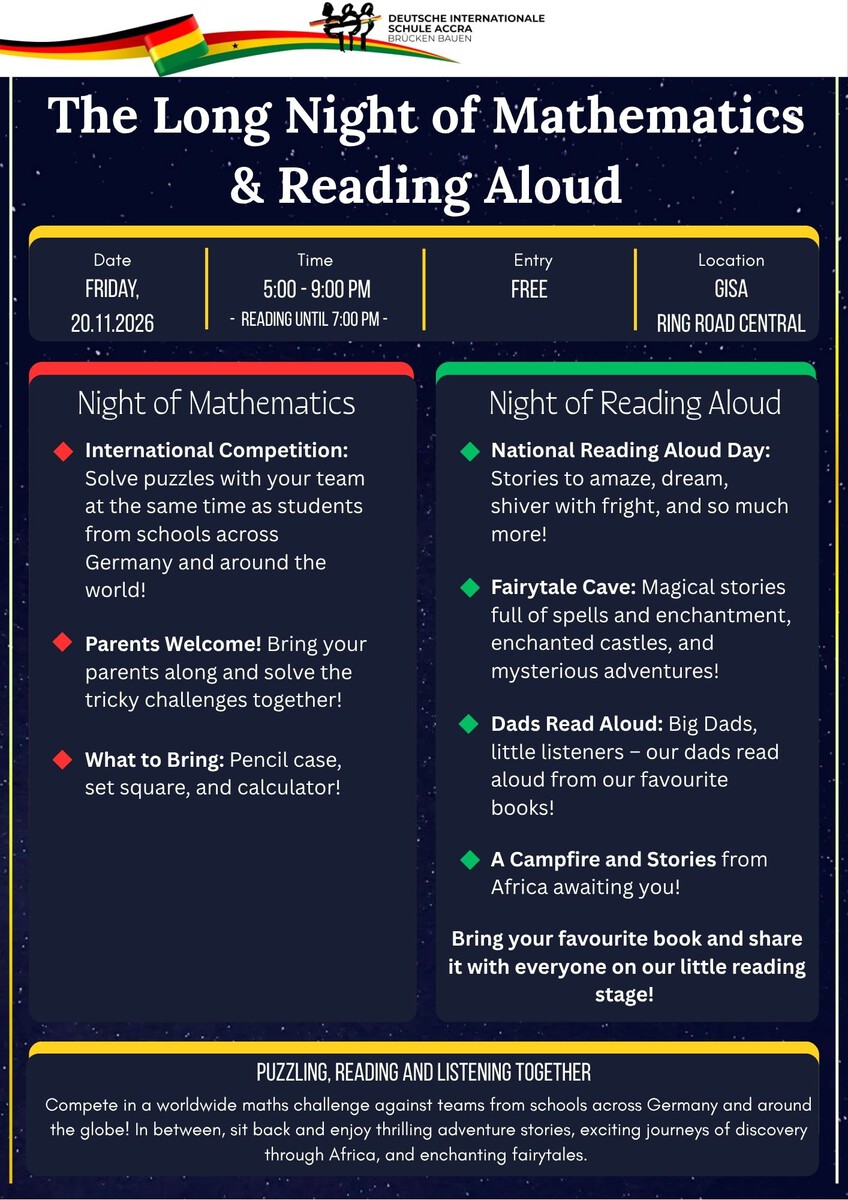
The Long Night of Mathematics & Reading Aloud
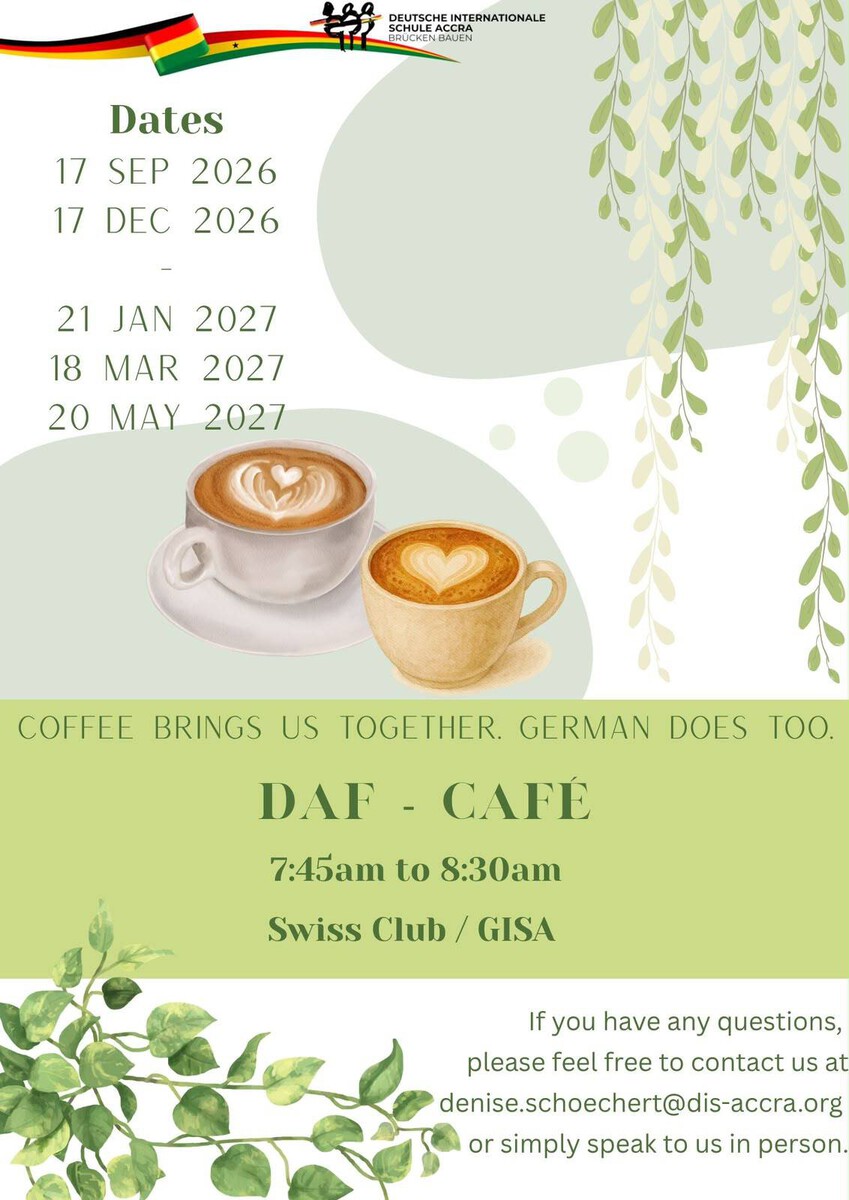
☕ DaF Café: Speaking German and Connecting Through Conversation
GISA Teen Club