On the Way to Elmina – A Day of Learning, Coastal Encounters and History


Today was an early start for all of us! At 6 a.m., the alarm rang, bringing our well-earned sleep to an end. Some of us actually managed to get up on time all by ourselves. Others needed a little encouragement. After all, a long and exciting day lay ahead.
With our backpacks packed, sturdy shoes on and plenty of sunscreen applied, we headed to the restaurant. By 7 a.m., we were sitting down to breakfast, fuelling up on pancakes, cornflakes or oatmeal for today’s adventure: a long coastal walk towards Elmina.
Shortly before 8 a.m., we were ready to go. Our two guides, Prince Arthur and Kouame, gave us some important advice for the route ahead. Then we were off! Kilometres of beach, fascinating encounters and plenty of opportunities to learn about life along Ghana’s coast awaited us.
Our walk soon turned into a very special school day – without a classroom, textbooks or a whiteboard.
Our first lesson: history brought to life. Along the way, our guides shared fascinating stories about the region’s history, its people and life along the coast. We heard these stories in the very places where generations of people have lived and worked.
Our second lesson introduced us to traditional boatbuilding. We learned how fishing boats are made and how much skill and experience the work requires. We also began to understand just how important fishing is to the coastal communities.
The third lesson was particularly hands-on: we discovered how the heavy fishing boats are pushed out of the water and onto the beach together. It quickly became clear that this takes more than strength – good teamwork is essential. Clearly, teamwork matters far beyond school trips! Some of us joined in and helped push a boat, while others watched with interest.
Our fourth lesson involved meeting pupils from the local area. We got to know the children and gained a small insight into their daily lives. A short game together helped break the ice. As a small thank-you, we gave them our cereal bars, which they were delighted to receive. It was a lovely opportunity to connect and look beyond our own experience of school.
As we left the grounds, we realised that we had seen neither a dedicated schoolyard nor a playground. This got us thinking: how could the outdoor space be developed? What opportunities for play could be created? As we continued walking, we began sharing ideas about how such projects might take shape.
Meanwhile, our route took us further along the coast. The sun kept us company, the sand made walking rather challenging, and our legs increasingly reminded us that hiking along a beach can be harder than it looks. Still, we kept going together, making new discoveries and taking in everything around us.
After more than two and a half hours and almost ten kilometres, we finally made it. At around 10:45 a.m., we reached the end of our walking route. We decided to cover the remaining kilometres to Elmina Castle by bus. Our feet had certainly earned a little rest!
By then, our stomachs were making themselves heard too. After such a long walk, our packed chicken and egg sandwiches tasted especially good. We ate, rested briefly and prepared for the next highlight of the day: a history lesson in a very special place.
During a guided tour lasting about an hour, we explored Elmina Castle and learned about its complex and deeply troubling history. Built by the Portuguese in 1482, the castle is among the oldest European buildings south of the Sahara. Initially an important trading post for gold, it later became a major site of the transatlantic slave trade.
We visited different parts of the castle and learned about the inhumane conditions in which enslaved people were imprisoned before being forcibly transported across the Atlantic. The dark dungeons and the so-called “Door of No Return” were particularly sobering. We also learned how European colonial powers shaped the region and how the effects of this history can still be felt today.
This part of our trip was less cheerful than our earlier experiences, but deeply memorable. Encountering history where it happened helped us understand more and gave us much to reflect on.
After the tour, we returned to Ko-Sa Beach by bus. Once there, we had just one thing in mind: walking shoes off, swimwear on and into the sea!
After almost ten kilometres of beach walking and so many new impressions, we had certainly earned a refreshing dip. We swam, dived, played and enjoyed the cool water. Our tired legs were particularly grateful that they no longer had to do any walking.
But even after our extended swimming break, the day was far from over. There was still a little work waiting for us, so we returned to our “desks” beneath the palm trees. Our class newspaper needed more work, and our diaries were waiting to be filled with the day’s experiences. By now, we certainly had more than enough to write about!
Next came a quick round of tidying our rooms and washing our lunchboxes. After all, another room inspection was on the schedule. As lovely as life at the beach may be, a little tidiness is still required.
With those jobs done, we could finally look forward to dinner. Today’s meal was delicious jollof rice with chicken, which we thoroughly enjoyed after such a long and active day.
Feeling refreshed, we tackled our next challenge: the mystery of Ko-Sa Beach continued.
Two saboteurs were still hiding among us, but our investigation was making progress. Two more missions awaited us, and we successfully completed both. In return, we received two new clues to help us identify the mysterious saboteurs.
By carefully piecing the clues together, we managed to cross another two people off our list of suspects. The circle was gradually getting smaller. But who was still leading us astray? And whom could we really trust? The discussions remained lively.
To round off the evening, we played a game of charades, acting out words and phrases for the others to guess. Usually, this game brings plenty of laughter and creative ideas. Today, however, we soon realised that our energy was running low. Some performances became increasingly imaginative, while our ability to guess the right answers declined as tiredness set in.
Eventually, it was time to head to our rooms!
Things did not become quiet straight away, though. In small groups, we talked about the day’s experiences and continued debating the identities of our possible saboteurs. Who could they be? What clues had we collected? And which suspicions did we now need to reconsider?
In the end, tiredness proved stronger than even our most determined detective work. After almost ten kilometres of walking, fascinating encounters, a powerful history lesson, plenty of swimming and more mysterious missions, our eyes finally closed.


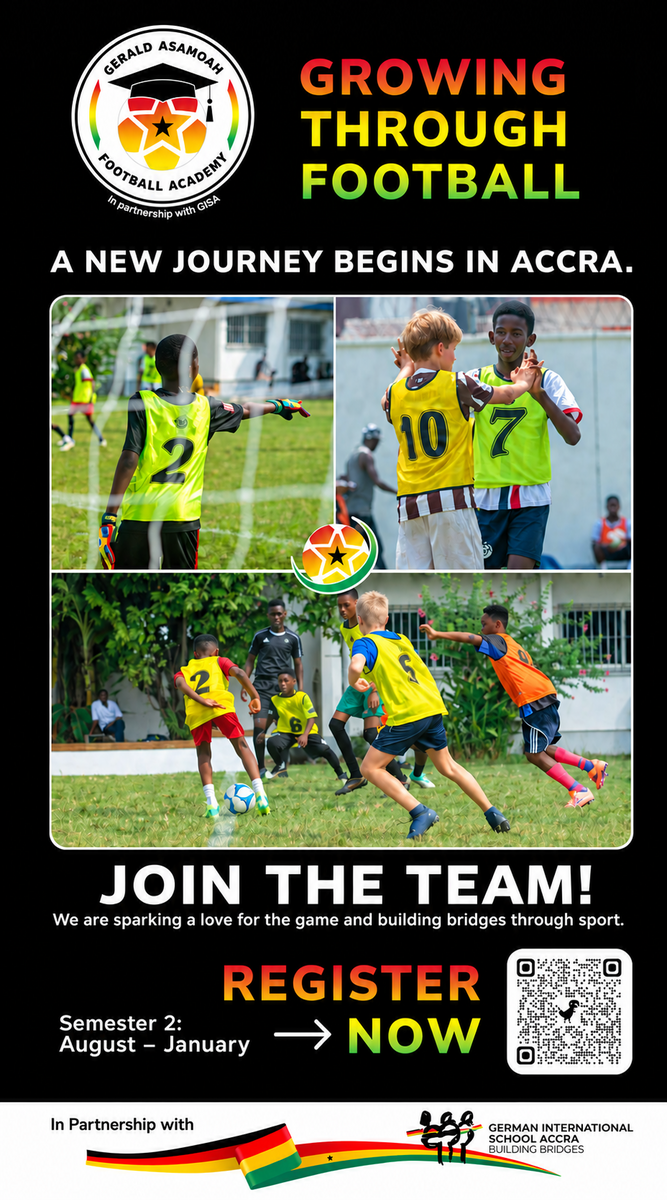
⚽Gerald Asamoah Football Academy
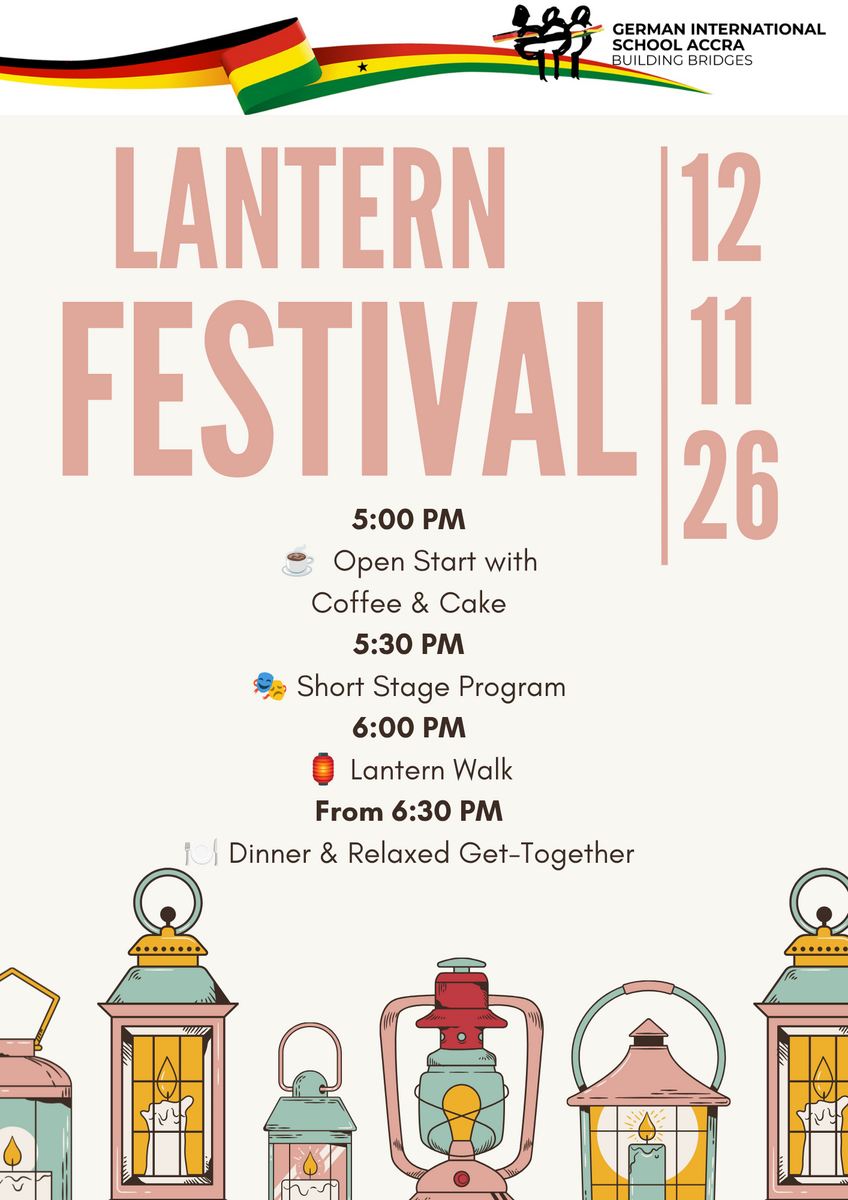
Lantern Festival
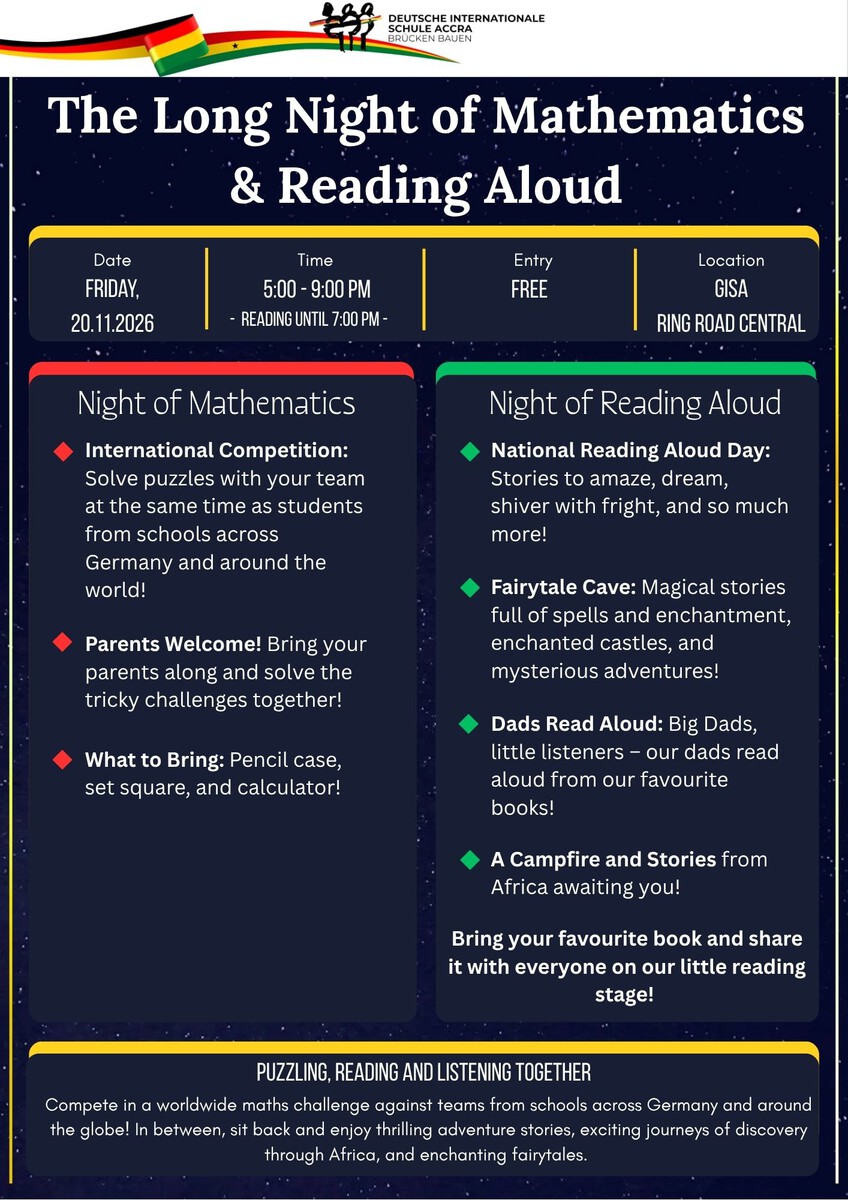
The Long Night of Mathematics & Reading Aloud
☕ DaF Café: Speaking German and Connecting Through Conversation

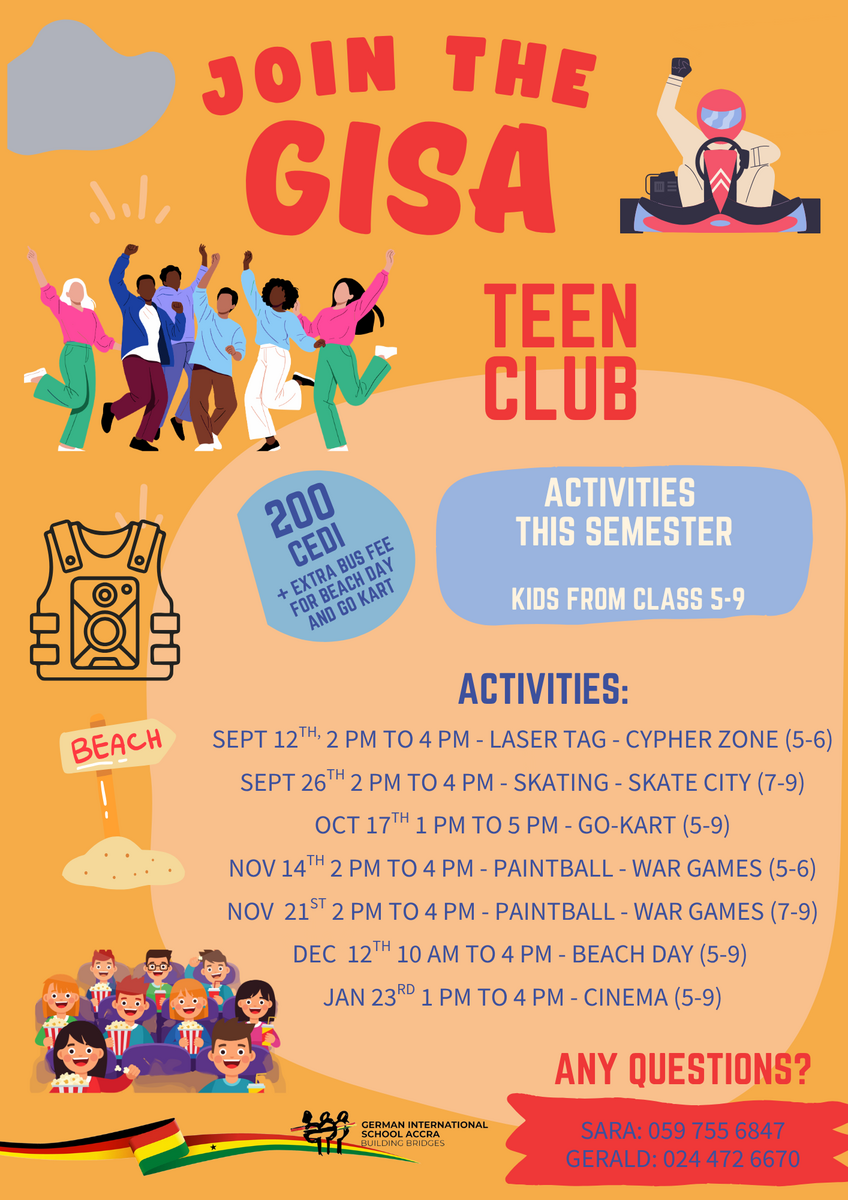
GISA Teen Club