


Newsletter 29.08.2026


The first two weeks of school are behind us, and a lot has already been happening at GISA. From our first Assembly and new and established partnerships to sports, art and the many activities beyond the classroom, there is plenty to share from the start of the new school year. We hope you enjoy reading and wish you a wonderful weekend!
A Monday Morning with Many Reasons to Celebrate
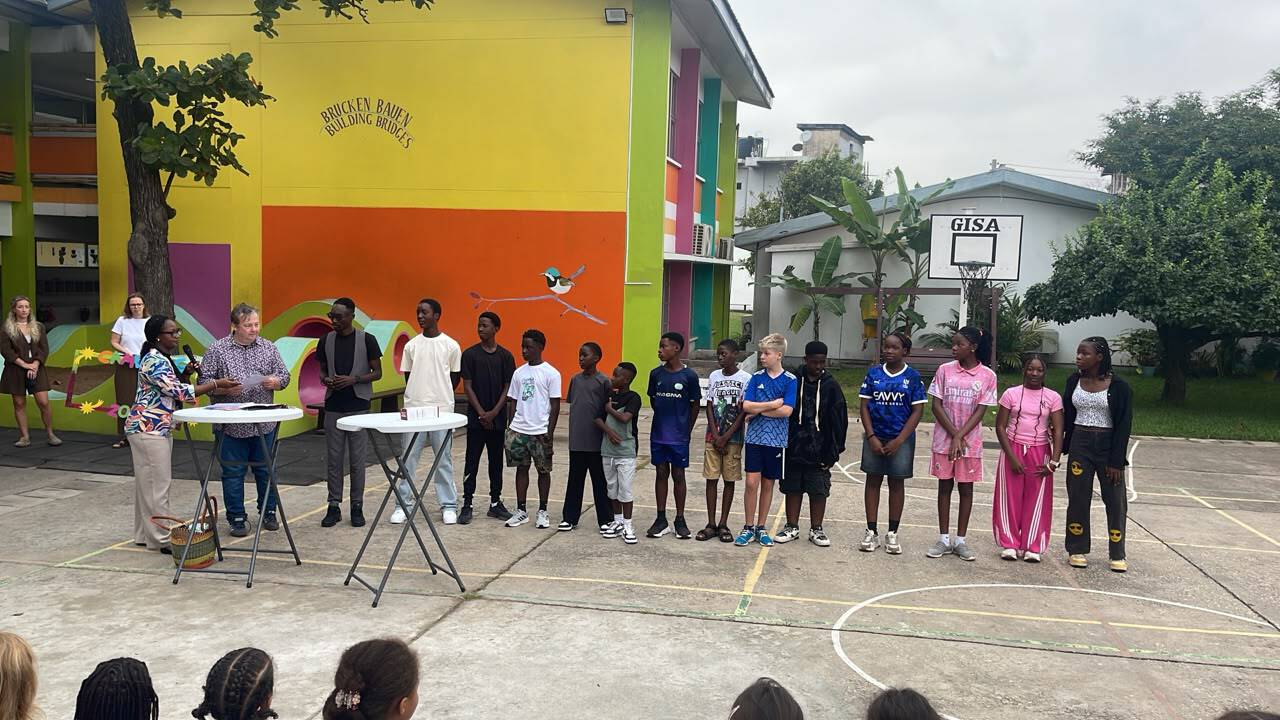 With German pop music, many parents joining us and several reasons to celebrate, GISA started Monday with the first Assembly of the new school year. Alongside our birthday children and the winners of the GISA Kids Prediction Game, the upcoming Beach Clean-up and the presentation of the Cambridge certificates were also on the programme.
Read more about our first Assembly here:
Beach Clean-up: Taking Responsibility Together
 On Monday, we were pleased to welcome two members of the Mayekoo team to GISA. They visited our classes and spoke with the students about the importance of clean beaches, protecting our environment and how each of us can make a difference.
On Saturday, 19 September 2026, GISA will join Mayekoo for this year’s Beach Clean-up. Together with our students and families, we want to take action and make a visible contribution to protecting our environment.
A short participation survey will follow soon. We hope to see many helping hands!
Cambridge Checkpoint: Congratulations!
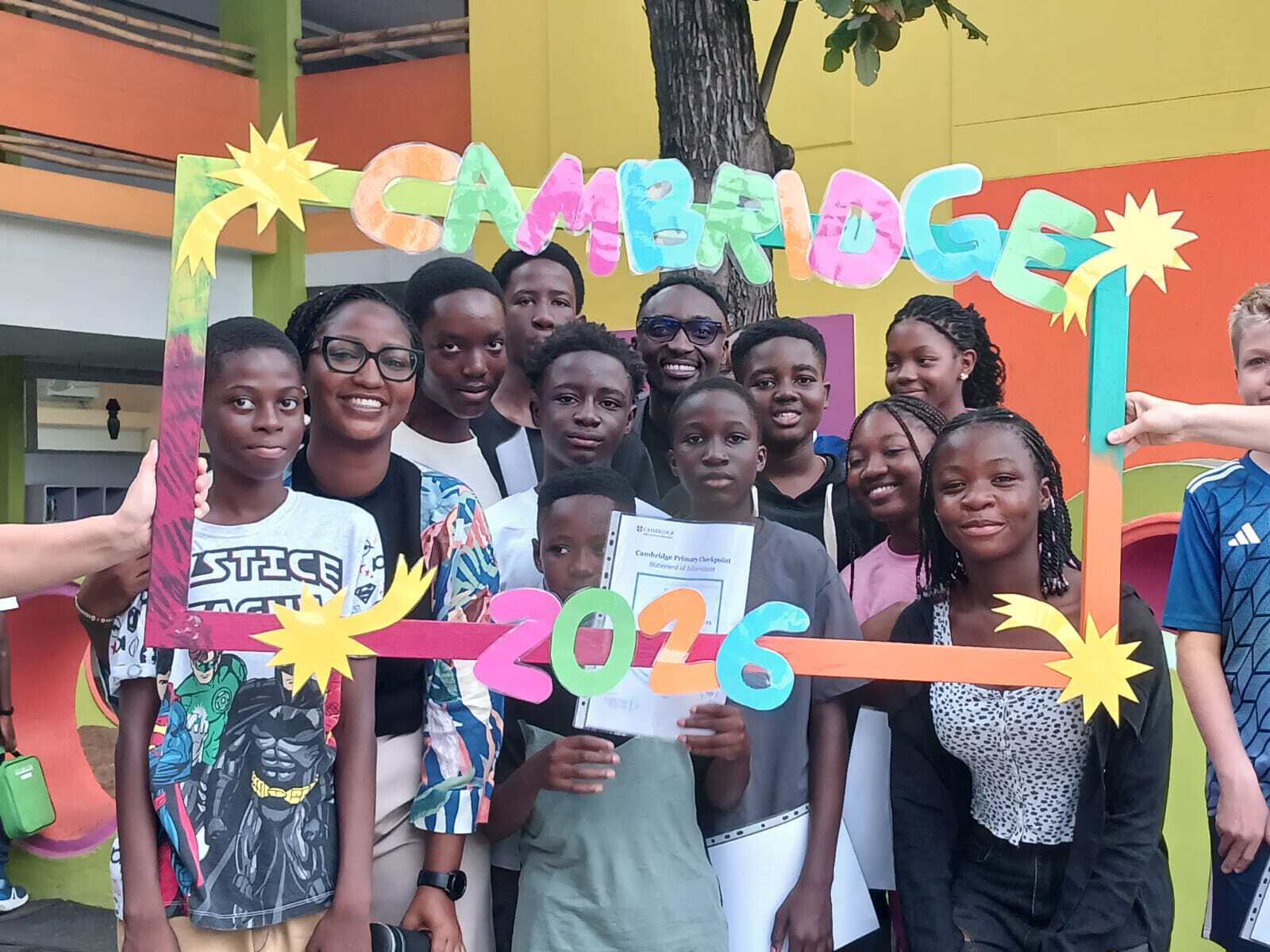 A special moment for our Cambridge candidates: on Monday, the students who took part in the Cambridge Checkpoint Assessments in May received their certificates.
All candidates successfully passed the assessments. We are especially pleased that GISA’s overall results were above the Cambridge schools’ average. The individual results also highlight different strengths and areas for further development and provide valuable guidance for the students’ continued learning.
Congratulations to our Cambridge Class of 2026!
An Afternoon with Gerald Asamoah
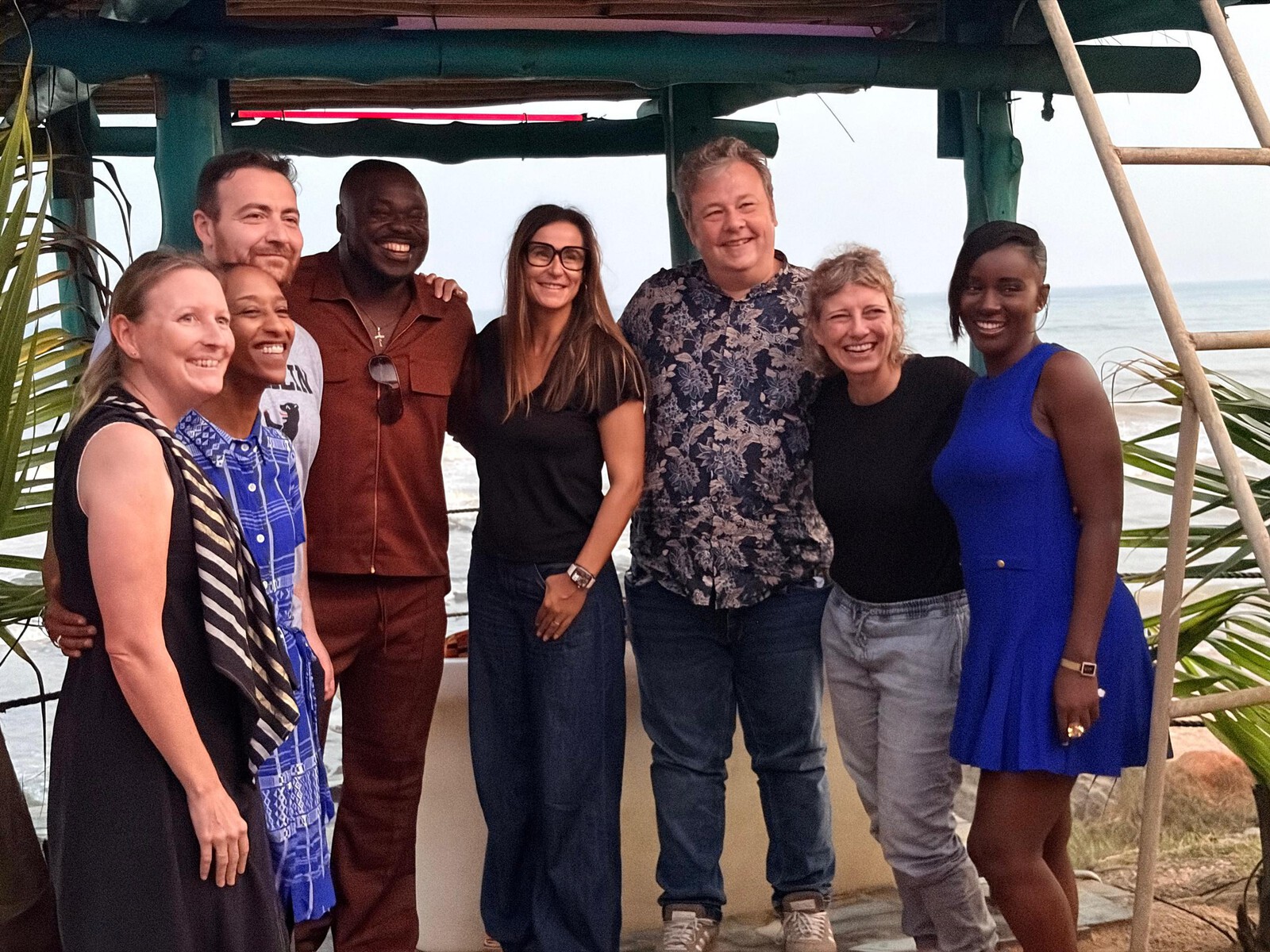 This week brought another opportunity to spend time with Gerald Asamoah during a relaxed afternoon by the sea – someone who has long been much more than a partner of our school and has become a true friend of GISA.
Together, we looked back on many of the projects that have grown over the past years: life-saving heart surgeries in Ghana, scholarships for children, our cooperation with the medical team from Duisburg and, of course, the Gerald Asamoah Football Academy. At the same time, new ideas for the months ahead were already taking shape.
What was especially touching was Gerald’s interest in how “his” children at GISA are doing and how they have developed. It is this personal connection that makes our relationship so special.
Read more about the meeting here:
Our Partnership with the Dutch School
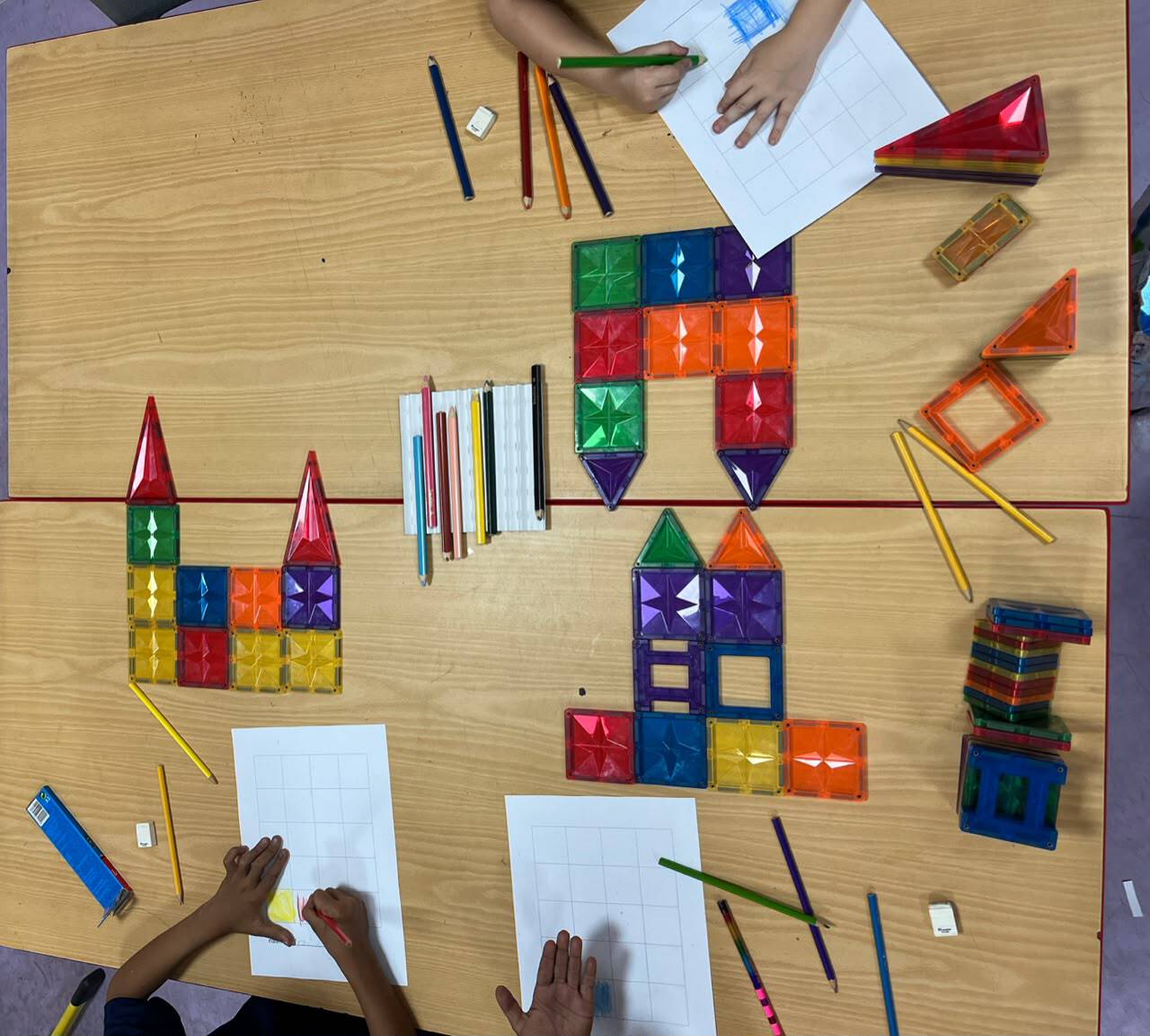 We are delighted to continue our cooperation with the Nederlandse School Ghana for a second year. Students from the Dutch School use our classrooms for Dutch lessons with their own teachers: Group 3 meets on Monday afternoons, while Groups 1 and 2 come to GISA on Wednesday afternoons.
We also look forward to celebrating Dutch traditions together again this school year, including Sinterklaas and King’s Day.
We are very happy about this lively partnership and look forward to many more shared experiences.
We kijken uit naar nog veel mooie momenten samen!
Teen Club: A New Semester Begins!
Our Teen Club is also starting a new semester, with plenty planned for Classes 5 to 9.
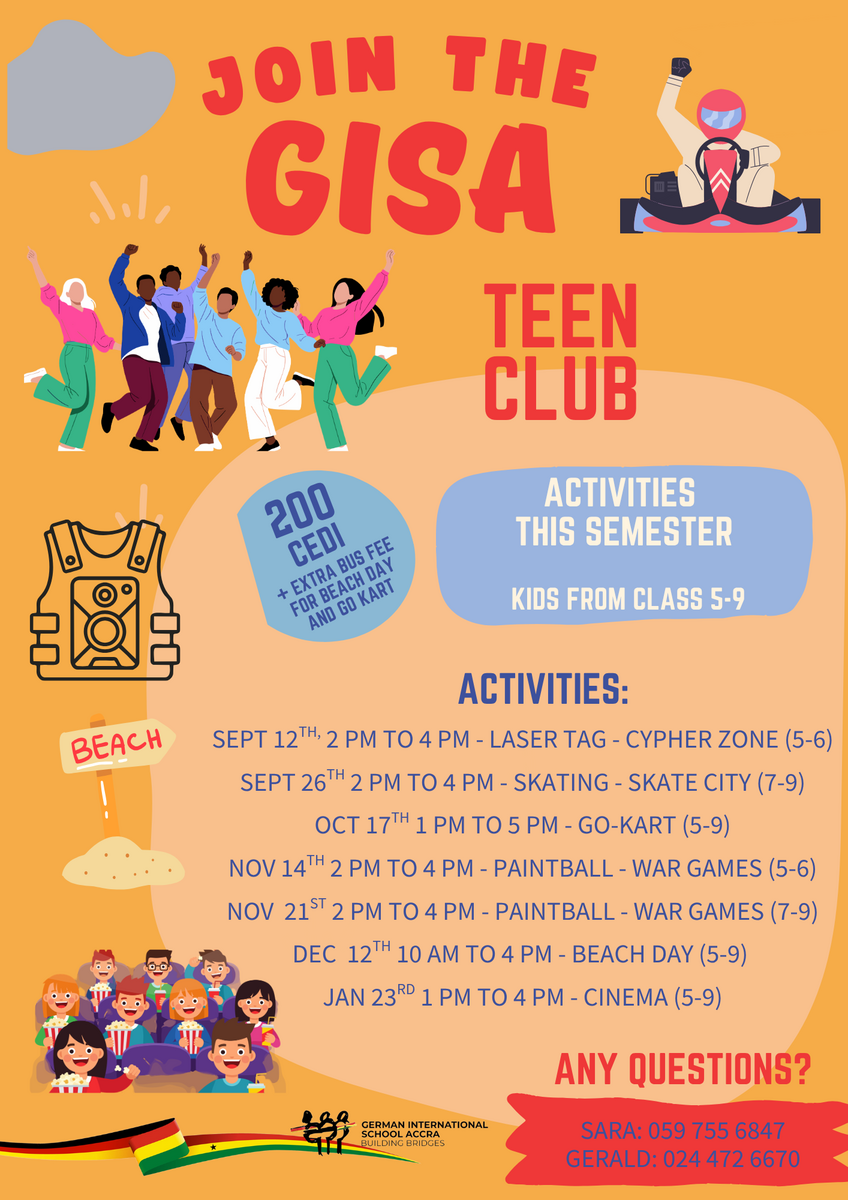 Laser tag, skating, go-karting, paintball, a beach day and a trip to the cinema are just some of the activities on the programme. Teen Club is a great opportunity to spend time with friends outside the classroom, try something new and make some great memories together.
We are looking forward to a fun and varied semester!
ECAs: The Trial Weeks Are Over
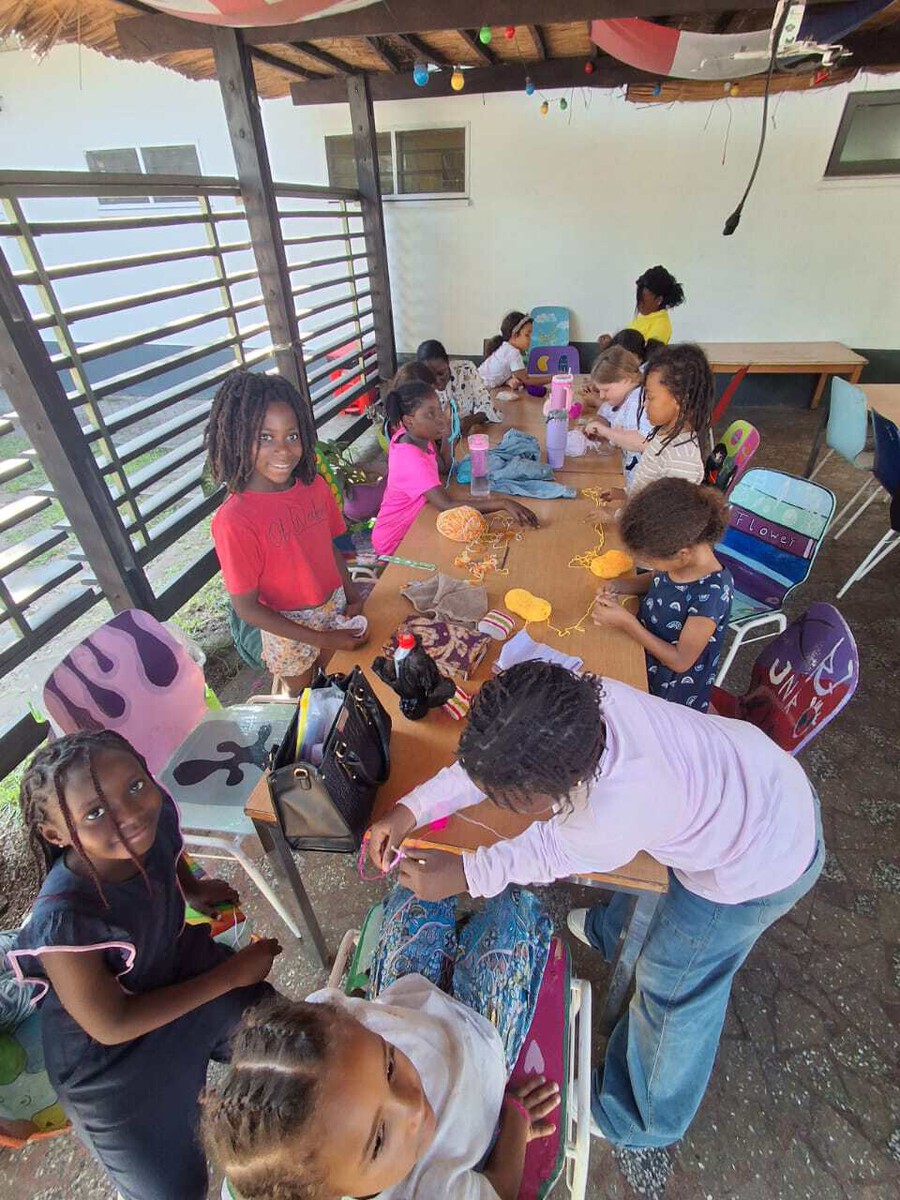 Our two ECA trial weeks have come to an end, and it has been wonderful to see how much the children enjoyed trying out the different activities. Along the way, they were able to discover new interests and perhaps even find a new favourite.
We are now moving into the regular ECA semester. Please remember to return your children’s completed registration forms so that we can finalise the groups.
We wish everyone lots of fun with their ECAs!
Gerald Asamoah Football Academy: Ready for a New Semester!
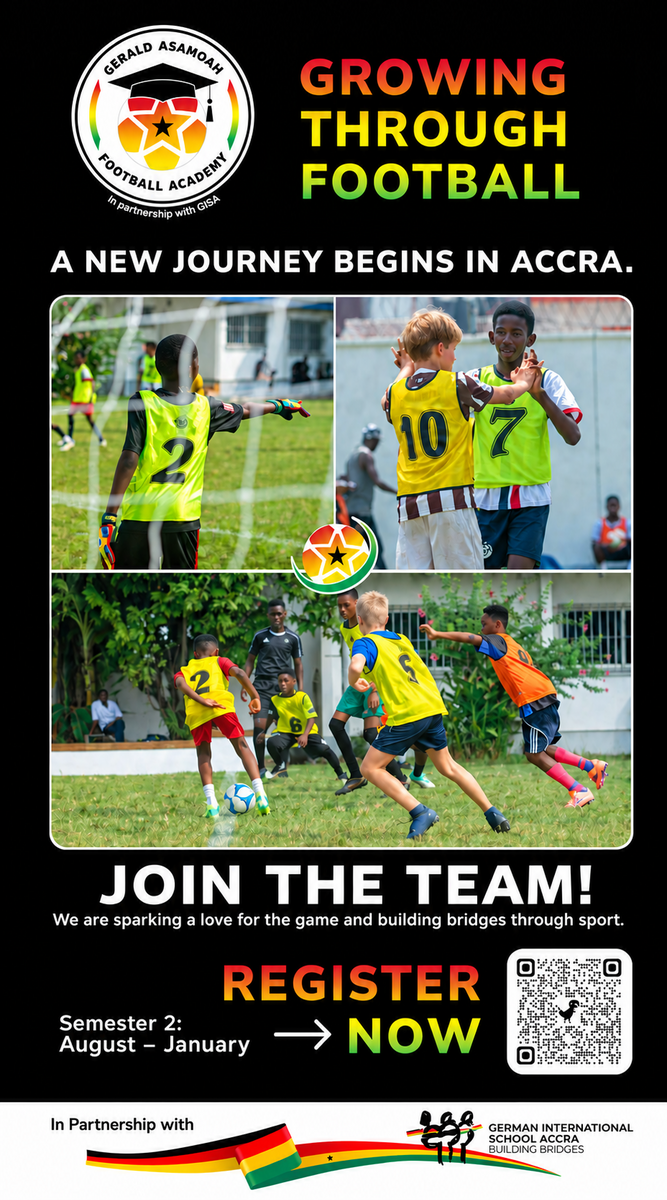
The new semester at the Gerald Asamoah Football Academy is underway. With training groups for Kindergarten, U8, U10 and U14, as well as a dedicated girls’ team, our young footballers are back on the pitch.
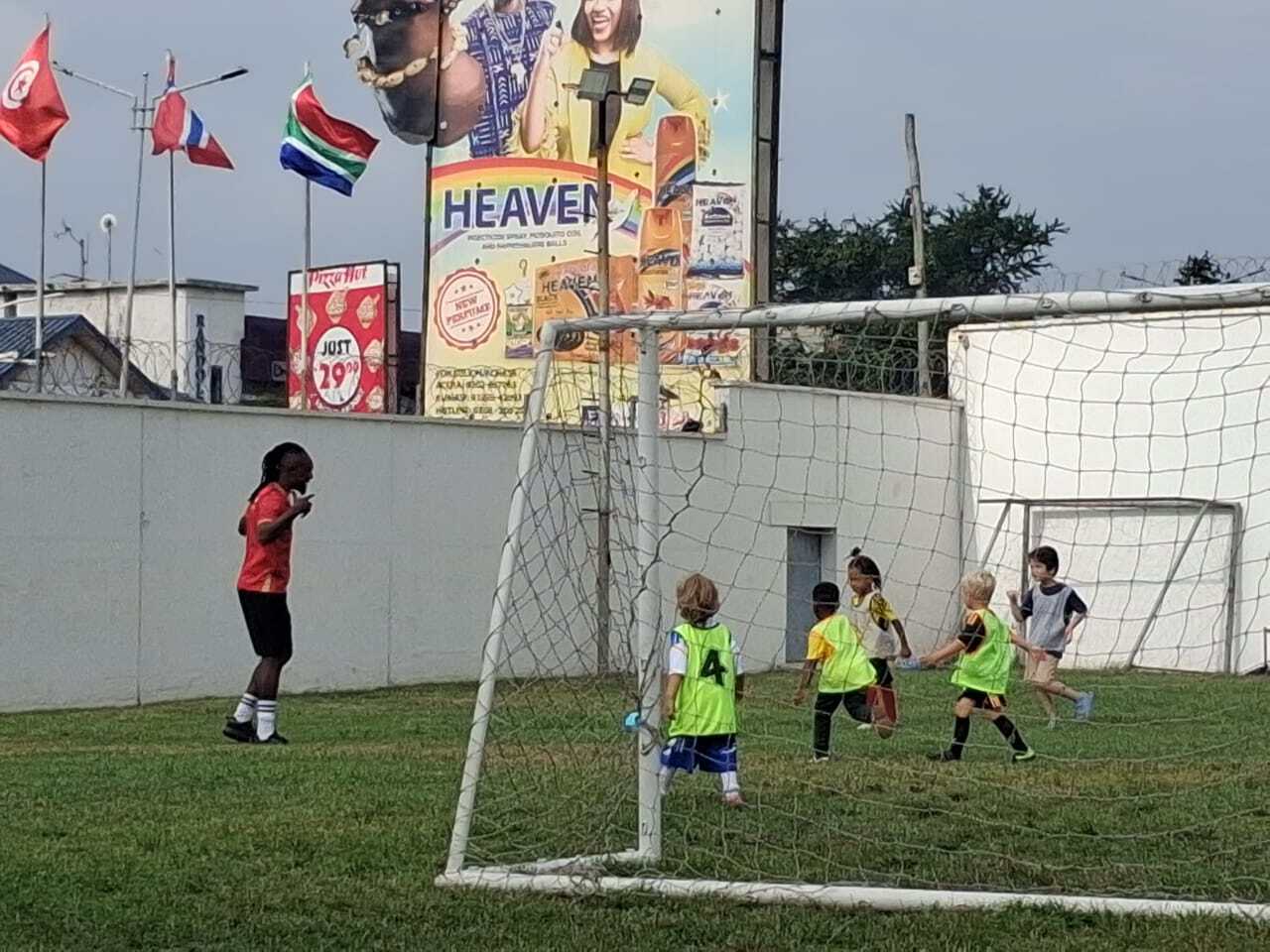 At the same time, it is time to say goodbye to Coach Collins, who has decided to leave the Gerald Asamoah Football Academy. We would like to thank him sincerely for his ideas, support and dedication to our young players. His energy and commitment have helped shape the Academy, and we will miss seeing him on the pitch.
We are also pleased to welcome new faces to the coaching team. New coaches bring fresh ideas, new energy and new opportunities.
Passing, dribbling, scoring goals – and enjoying football together: our teams are developing week by week and, of course, already have one big goal in mind – the GISA Cup!
New Footballs for Our Academy
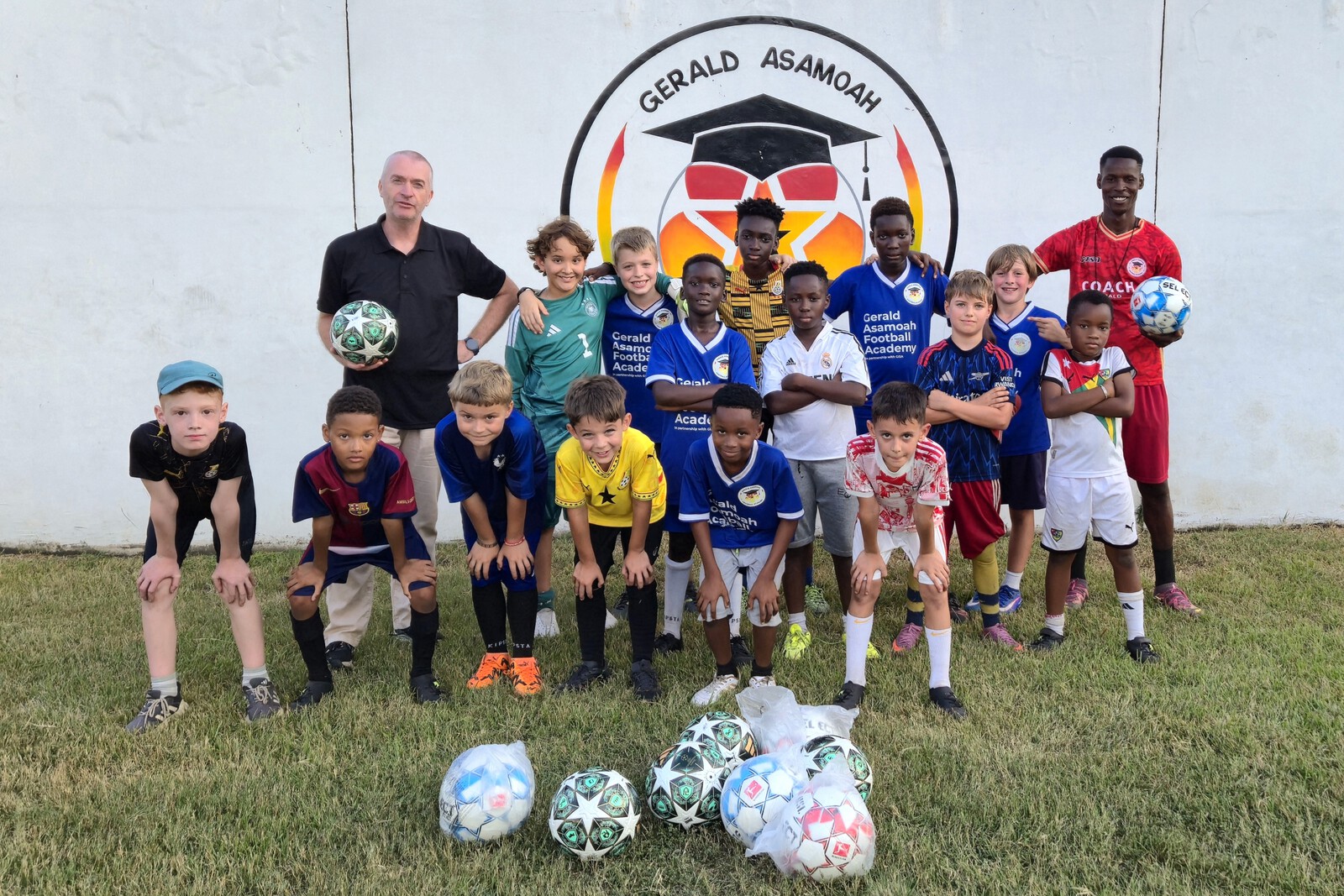 A heartfelt thank you goes to the Förderverein of the German International School Accra for its generous donation of new footballs to our Gerald Asamoah Football Academy.
The new balls are already being put to good use in training, helping our young players develop their skills and prepare for upcoming matches.
The Förderverein was founded in December 2024 by committed parents and staff members. As a registered non-profit association based in Germany, it supports GISA in further developing its educational work and creating additional opportunities for our students.
Thank you very much for this valuable support!
Anyone who would like to support the work of the Förderverein or learn more about its activities can find further information here:
Project Time Has Begun
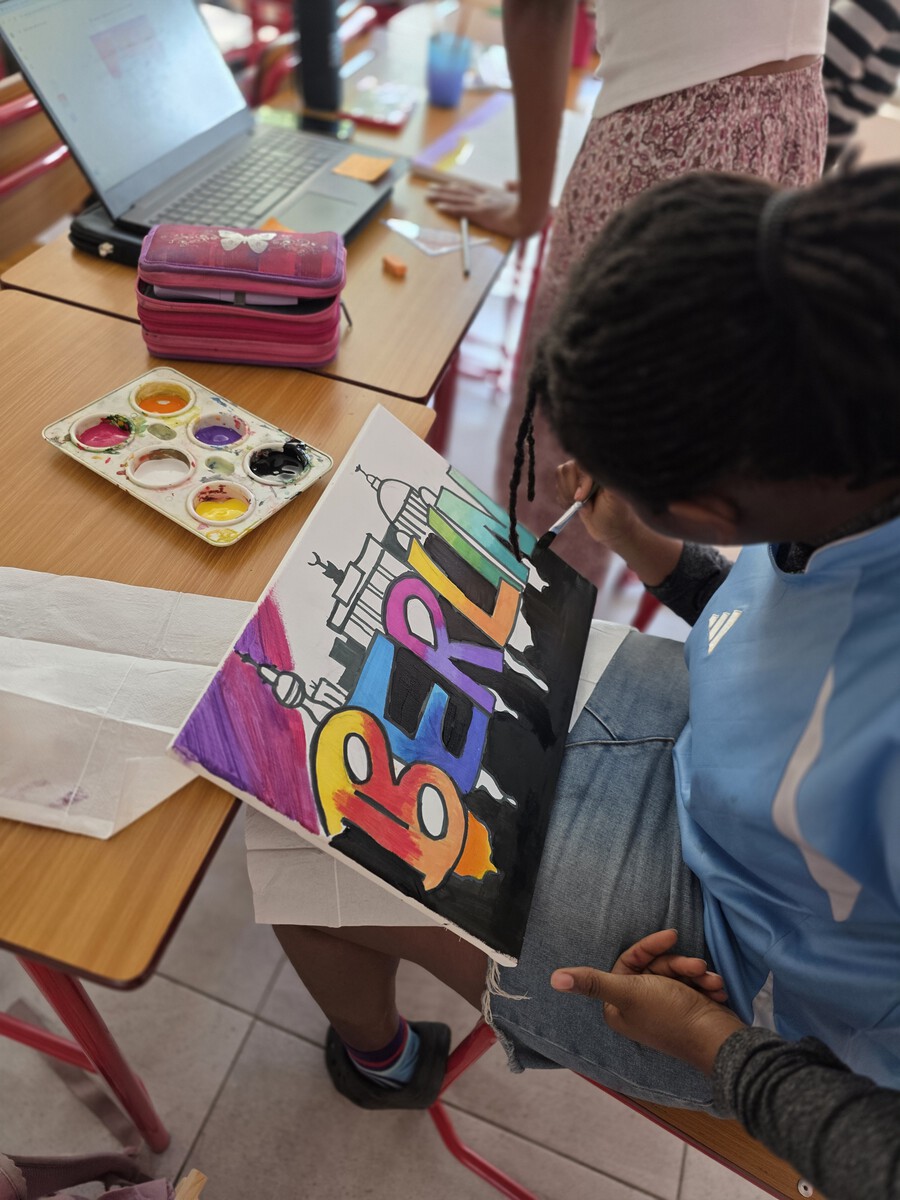 Project Time in both Primary and Secondary School is now underway. Over the coming weeks, students will work on a variety of topics, ideas and different forms of presentation.
One example comes from art, where students are exploring well-known works and artists from Germany, reflecting on their own sources of inspiration and sharing their ideas with one another.
Read more about this project here:
Save the Date: On Saturday, 31 October 2026, we will celebrate German Language Day on our campus. Further information will follow.
Our Trusted Teachers Have Been Elected
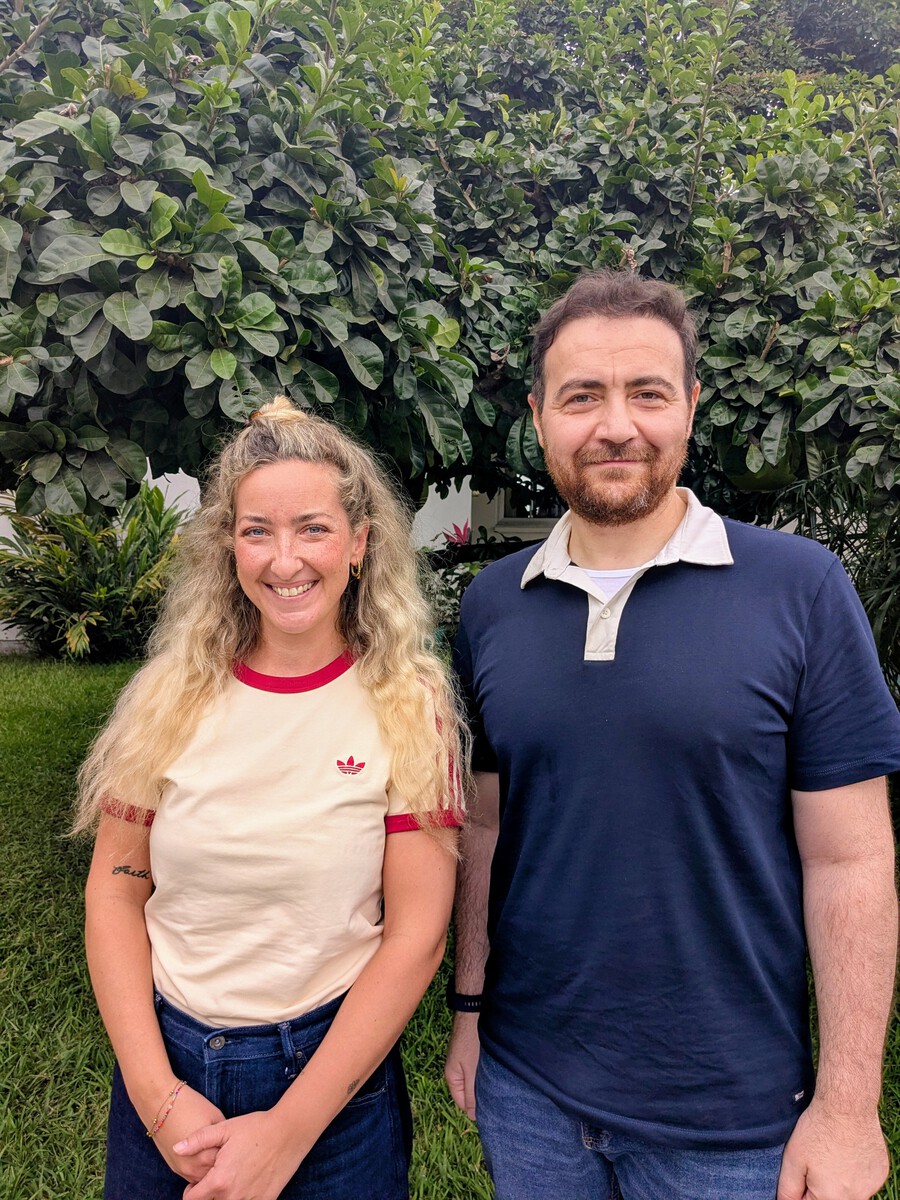 Congratulations to Angy Mamodaly and Haitham Albeiruty! Both have been elected by our students as GISA’s trusted teachers.
Trusted teachers are additional points of contact for students who would like to talk about personal concerns, worries or conflicts. They listen, offer support and help students find constructive solutions.
We wish Angy and Haitham all the best in this important role!
September Lunch Menu
The North Ridge Café lunch menu for September is now available. Families can now take a look at the meals planned for the coming month.
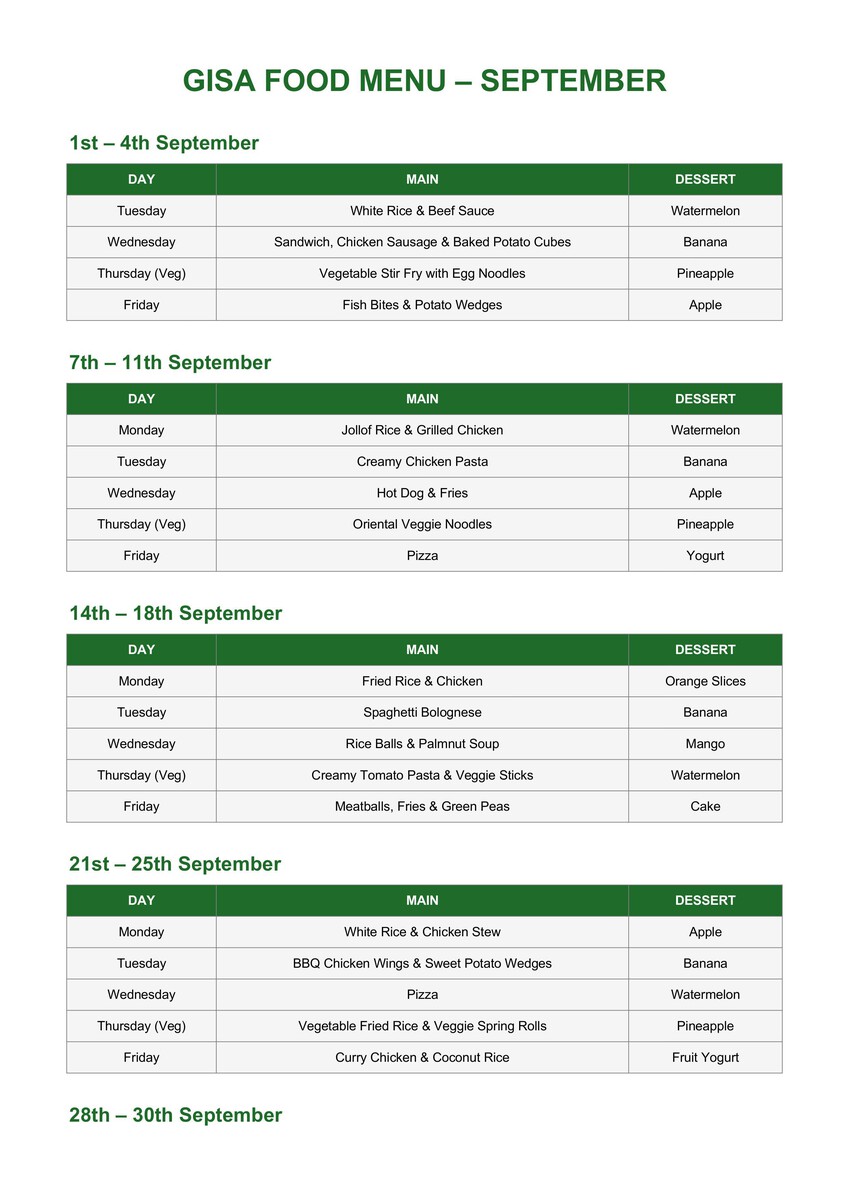
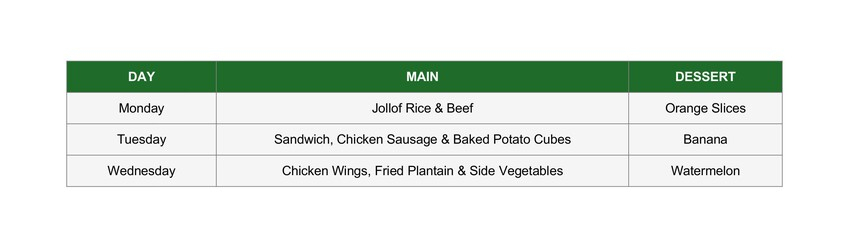
We wish all our students an enjoyable lunch and a relaxing lunch break!
News from the German Protestant Congregation in Accra
The German Protestant Congregation in Accra has some very welcome news. Since 2022, there has been no pastor sent from Germany to serve the congregation in Accra. During this time, two Ghanaian reverends with German language skills have supported the congregation during its services.
After years of effort by the church leadership, a new chapter is now beginning: in September, recently retired pastoral couple Jens Junginger and Heidi Hafner will come to Accra for ten months.
The congregation warmly invites everyone to their welcome service:
Sunday, 6 September 2026
11:00 a.m.
Ridge Church, directly next to the Kempinski Hotel
1st floor, wheelchair accessible
The service will be followed by a Church Café with coffee, tea, cold drinks, cake and pastries.
No registration is required. People of all denominations are warmly welcome.
⚽ Faces of Football Returns to GISA
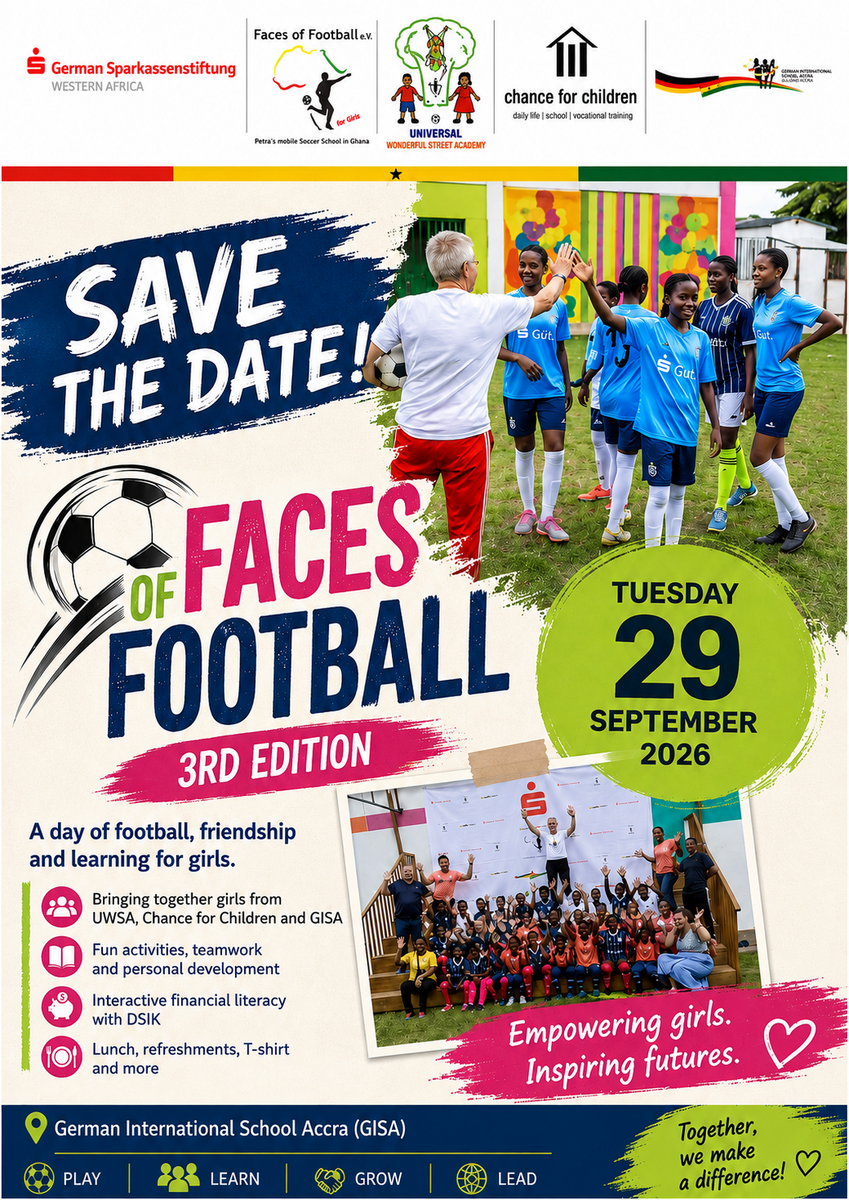 On Tuesday, 29 September 2026, GISA will once again host “Faces of Football”. Together with former German national team player Petra Landers, the third edition of the project will bring girls from different backgrounds together on the football pitch.
Around 30 participants from UWSA, Chance for Children and GISA can look forward to a special day centred around football, connection and community.
More information will follow in the coming weeks – we are already looking forward to Faces of Football 2026!
Child Care Center
Nursery: Exploring the World with All Our Senses
This week in Nursery was all about our five senses. Through playful and creative activities, the children explored seeing, hearing, smelling, tasting and touching.
A new song about the five senses added a musical element to the week. During a creative sticking and craft activity, the children also developed their fine motor skills, perception and creativity.
It was a week full of small sensory experiences and new discoveries.
Kindergarten: Moving, Creating and Discovering New Things
This week in Kindergarten was full of movement, creativity and discovery.
The children enjoyed jumping, playing and dancing. Activities included elastic jumping games, skipping, Brennball and a variety of ball games. During Sports Day, they learned how to play Brennball together with the older children. A ball transport obstacle course also brought plenty of movement and fun.
There was lots of creativity too. The children made heart-shaped paper mosaic collages and baked delicious muffins, which they were of course very happy to taste.
During a water experiment, the children used tissues and plastic foil to explore which materials absorb water and which repel it.
In Book Club, we started reading “Urmel fliegt zum Mond” and discovered new Kamishibai stories. During morning circle time, the children explored the topic “This is me” and the five senses, learned new songs and finger plays, and especially enjoyed the popular “Katzen-Tatzen-Tanz”.
Of course, there was also plenty of time for free play, independent discovery and shared experiences both indoors and outdoors.
Primary School
Classes 1/2: Learning with Sounds, Numbers and Creativity
This week, Classes 1/2 once again worked hard and discovered many new things. Listening carefully to sounds is an important foundation for learning to read and write. Through playful activities, the children practised identifying sounds in words and determining their position.
In Class 2, the children explored numbers up to 100 and used hands-on materials to make them easier to understand. They worked with tens and ones and investigated which numbers can be formed from them. The correct pronunciation of numbers also played an important role: while in English the tens are mentioned first, in German the ones come first. So “twenty-four” becomes “vierundzwanzig”. This special feature was practised using many examples.
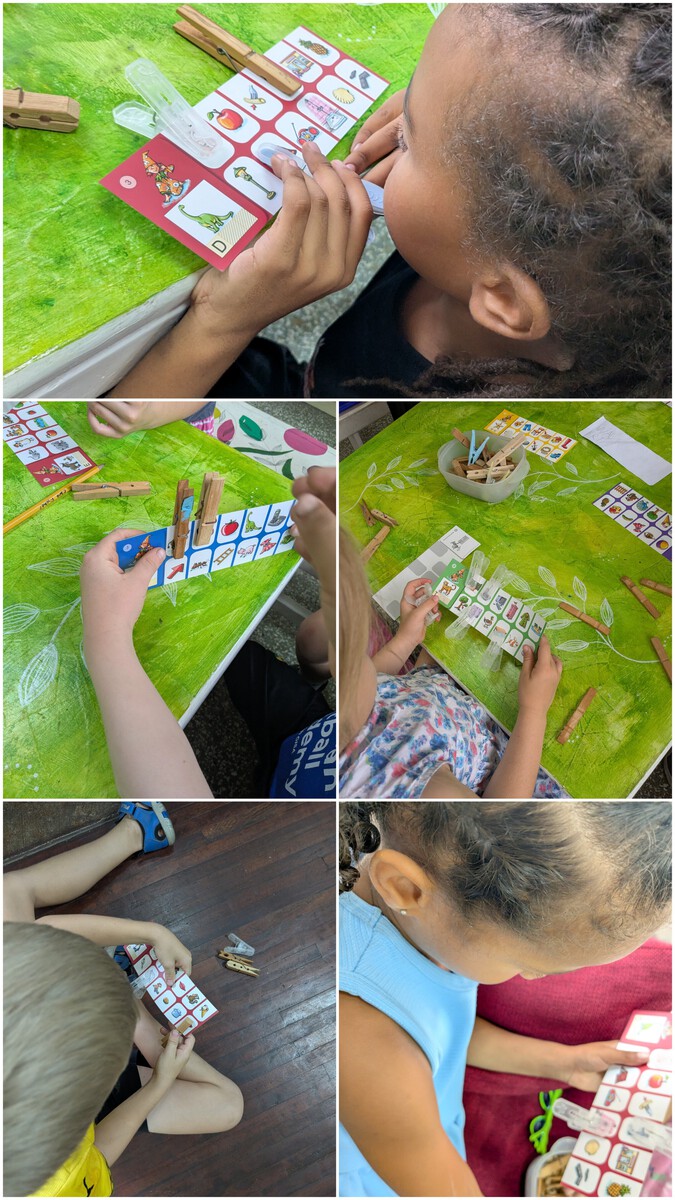
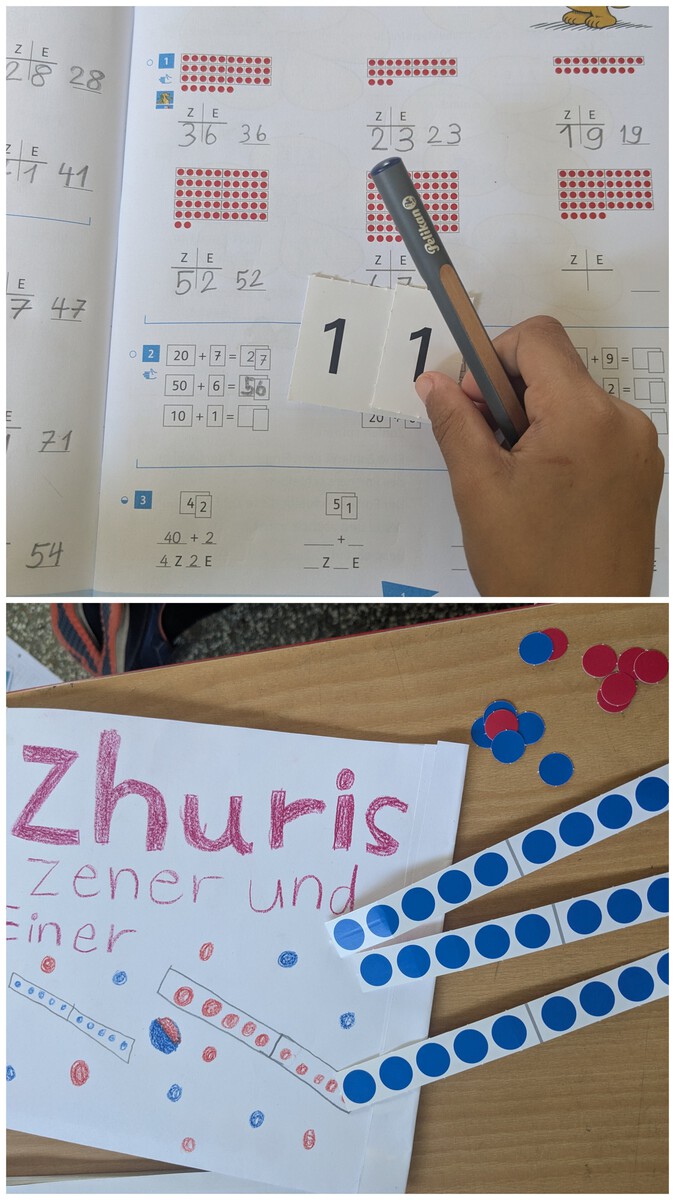
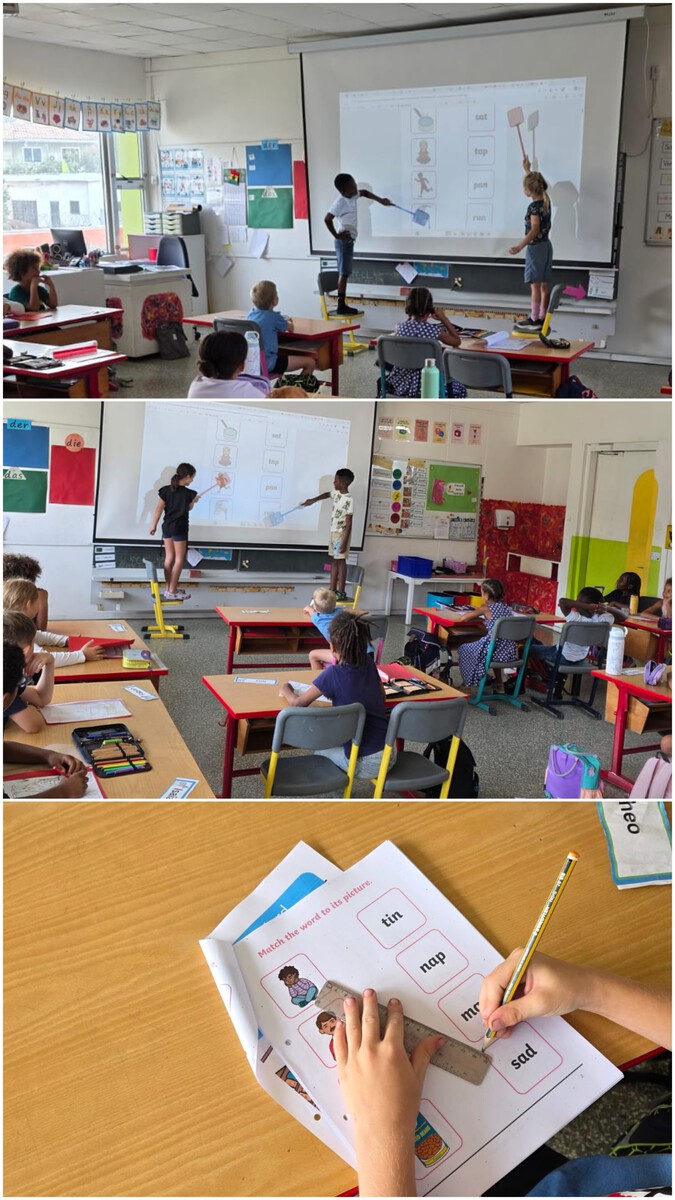
Meanwhile, the first graders compared quantities and started their number-writing course. Step by step, they are learning to write the digits correctly and confidently.
In General Studies, we discussed the role of class representatives and the qualities they should have. Afterwards, we held our class representative election. Congratulations to Isaiah and Noemi!
This week in Art, Classes 1 and 2 once again heard the words: paint on your hands! After practising last week how to cover our hands with paint and print them as completely as possible onto paper, things became a little more animal-like this time.
With lots of imagination, we first thought about which animals might be hiding in a handprint. And indeed, with a few additional lines, colours and creative ideas, our handprints gradually turned into all kinds of different animals.
Thanks to last week’s practice, the printing worked really well – and clothes, tables and the surrounding area remained mostly paint-free.
We are now looking forward to the next Art lesson, when our colourful handprint zoo will receive its finishing touches and hopefully welcome a few more unusual residents.
In English, we introduced the topic of “Hello” and practised English greetings through conversational role-play. We then moved on to reading and writing CVC words – consonant-vowel-consonant words. A fun matching activity using pictures and words helped make the learning more engaging.
Class 3: Practising, Exploring and Growing Together
In German and Mathematics, our focus this week was on plenty of practice. In German, the children met “Sonne Verb” from the Land of Word Types and carefully completed their very first neat handwriting entries in their exercise books. There was plenty of practice in Mathematics too: we deepened our work on mental and written strategies with numbers below 100 and practised commutative and inverse addition tasks.
In Ethics, a shared discussion based on a story about bullying provided space for an important exchange and respectful interaction. In connection with this, we also talked about children’s rights during our Class Council. In General Studies, we elected our class representatives.
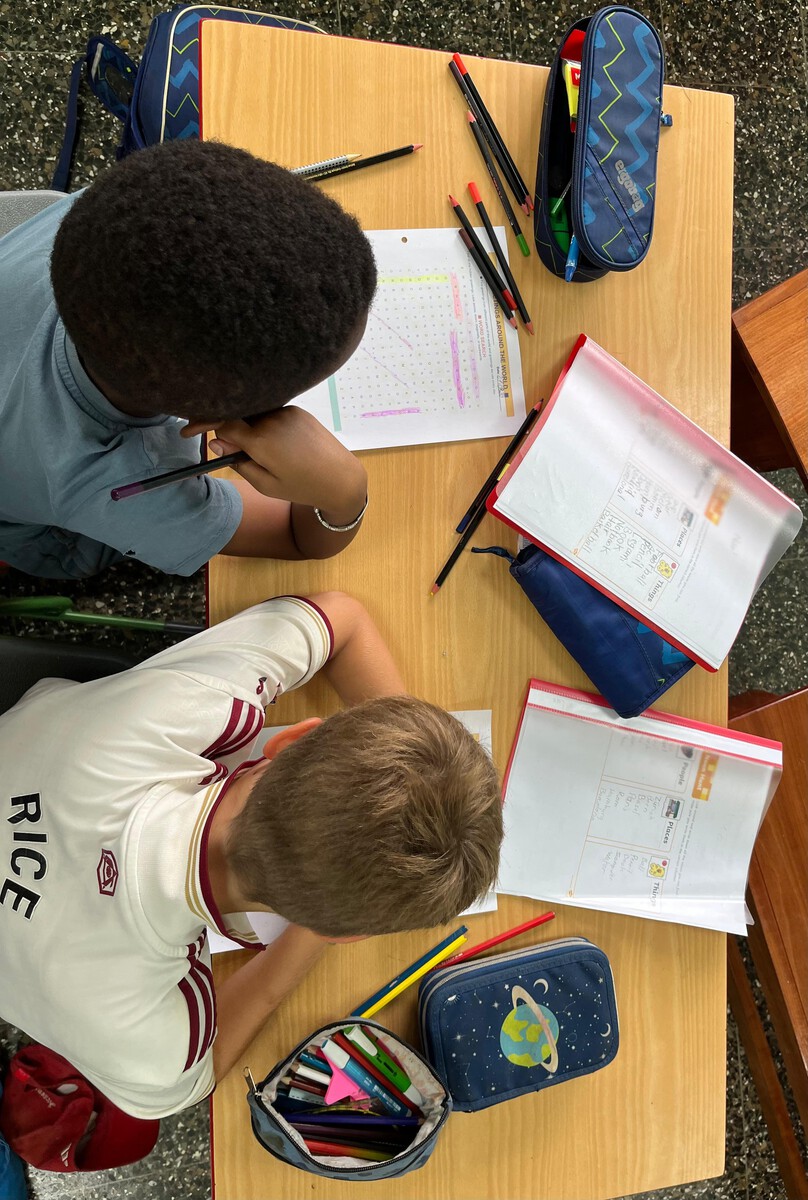
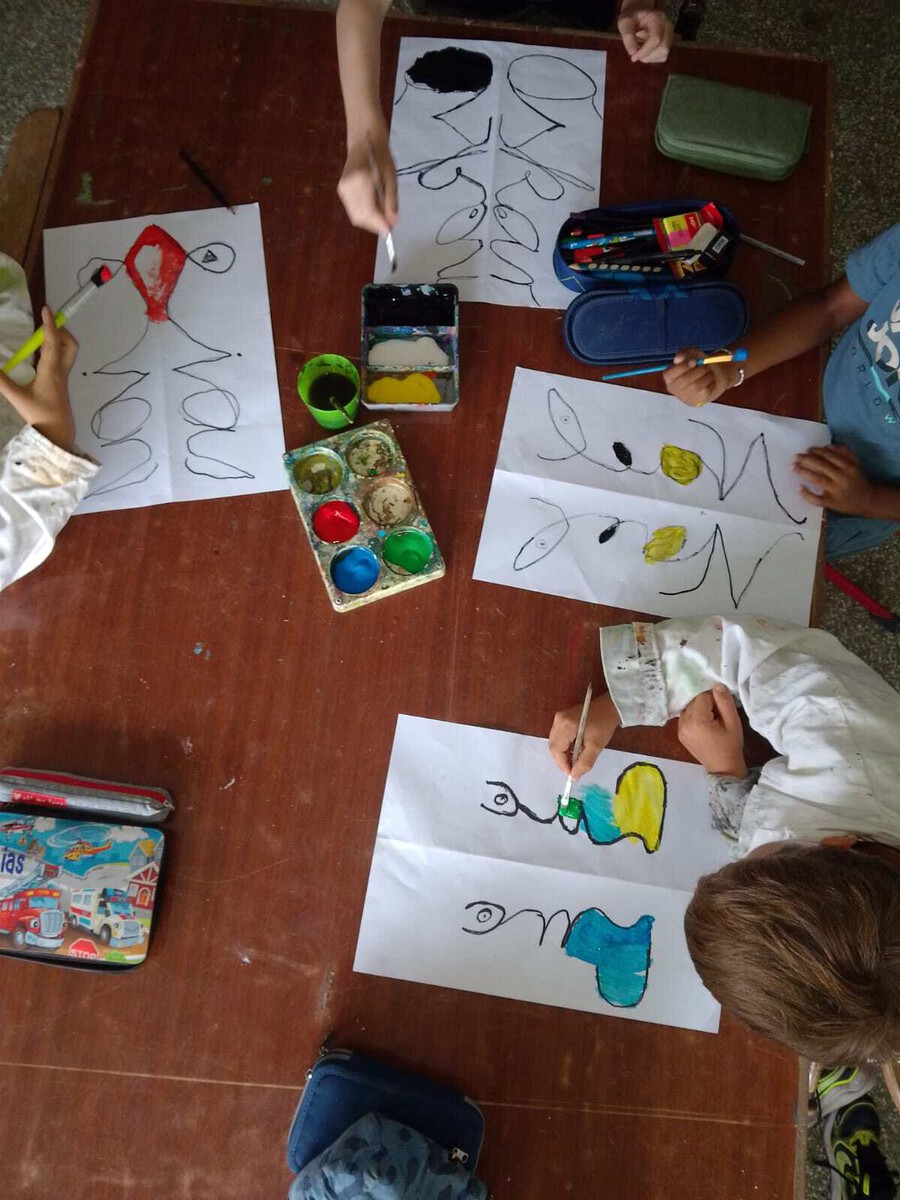
There was plenty of energy in Sports as well. During an intensive swimming session, the children were kept very active and had great fun in the water with the swimming noodles.
In English, everything revolved around nouns. The children eagerly collected examples and explored facts about them. We also went on a small journey around the world through different greetings – feel free to ask your child at home about the different greetings they discovered in the word puzzle!
Finally, things became very colourful in Art. After an imaginary rocket journey to Pluto, the children transformed their names written in cursive into colourful name aliens. Using brushes, bright colours and wild patterns, they created unique space creatures. Next week, our colourful group of aliens will receive its finishing touches – after all, anything is possible on Pluto!
Class 4: Building Skills and Taking Responsibility
In Mathematics, we continued revising the four basic operations. The children reviewed the relevant mathematical terms and also learned some new ones. They consolidated both new and existing knowledge by becoming detectives and solving number puzzles involving addition and subtraction.
In German, nouns were revised, identified and sorted. The children then looked them up in the dictionary. In the area of spelling, the focus this week was also on finding their way around the dictionary and working with the alphabet. In addition, the children practised expressive and fluent reading in reading tandems.
In Ethics, we held our class representative election. First, we discussed what is important for this role: What are the responsibilities of class representatives, and which qualities should they have? The candidates then created their own election posters and presented themselves and their ideas to the class.
Congratulations to Paul and Nana Yaa on their election! We wish them lots of enjoyment and success in their new role.
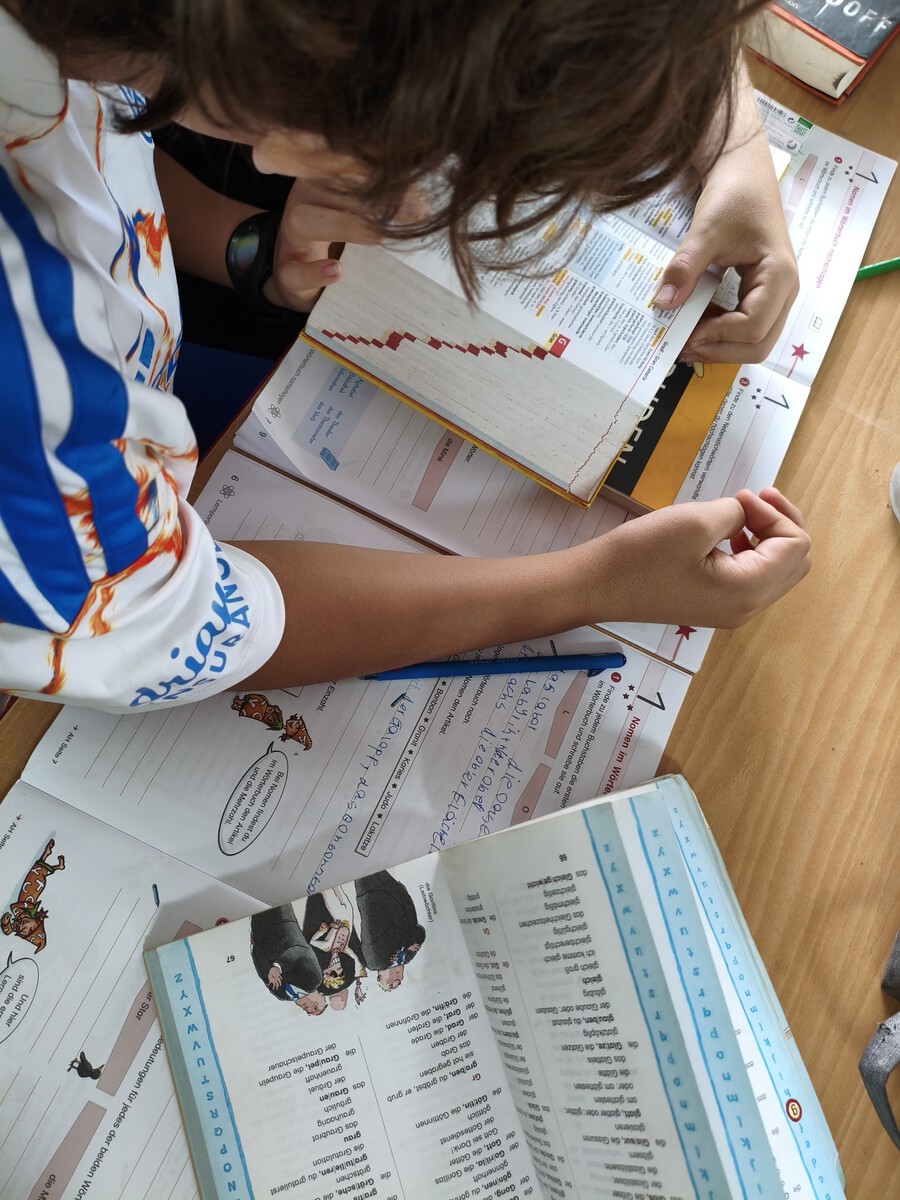
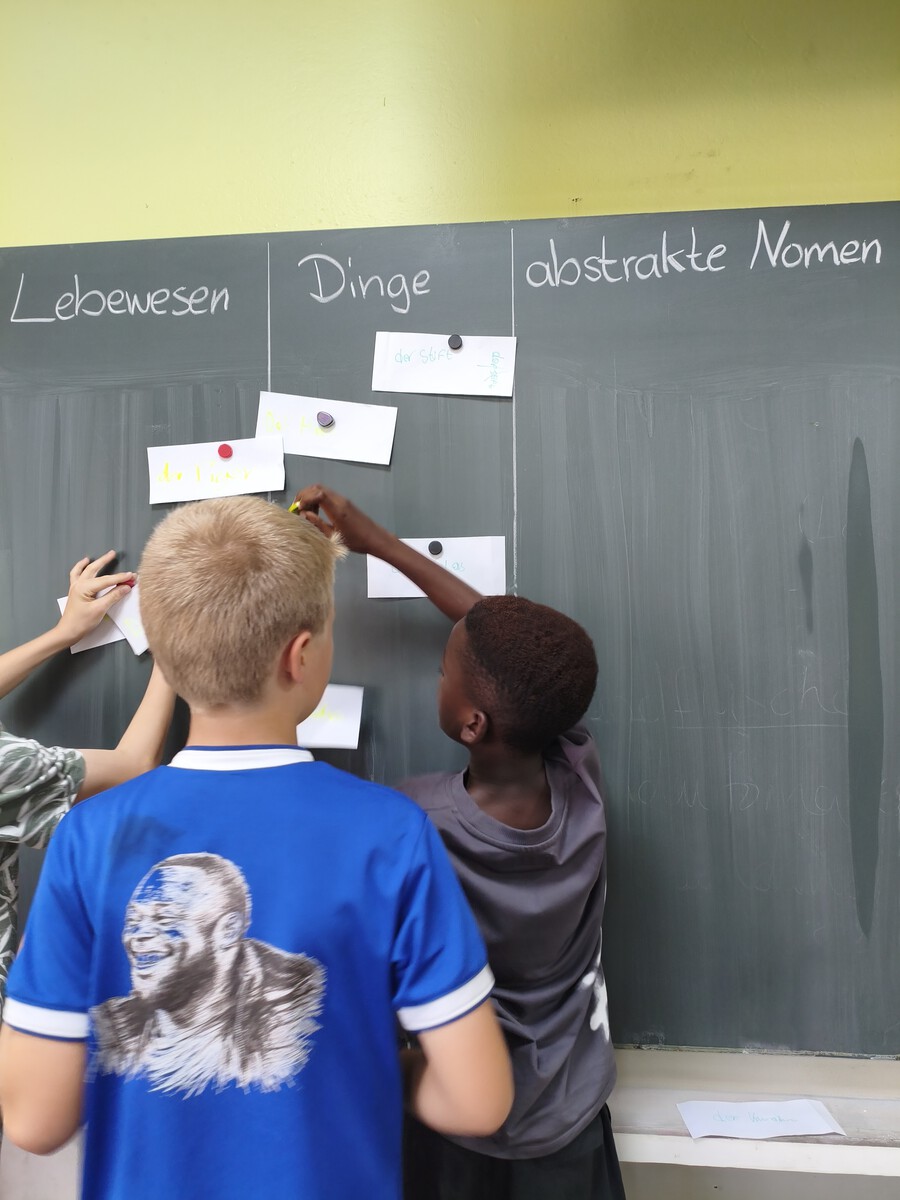
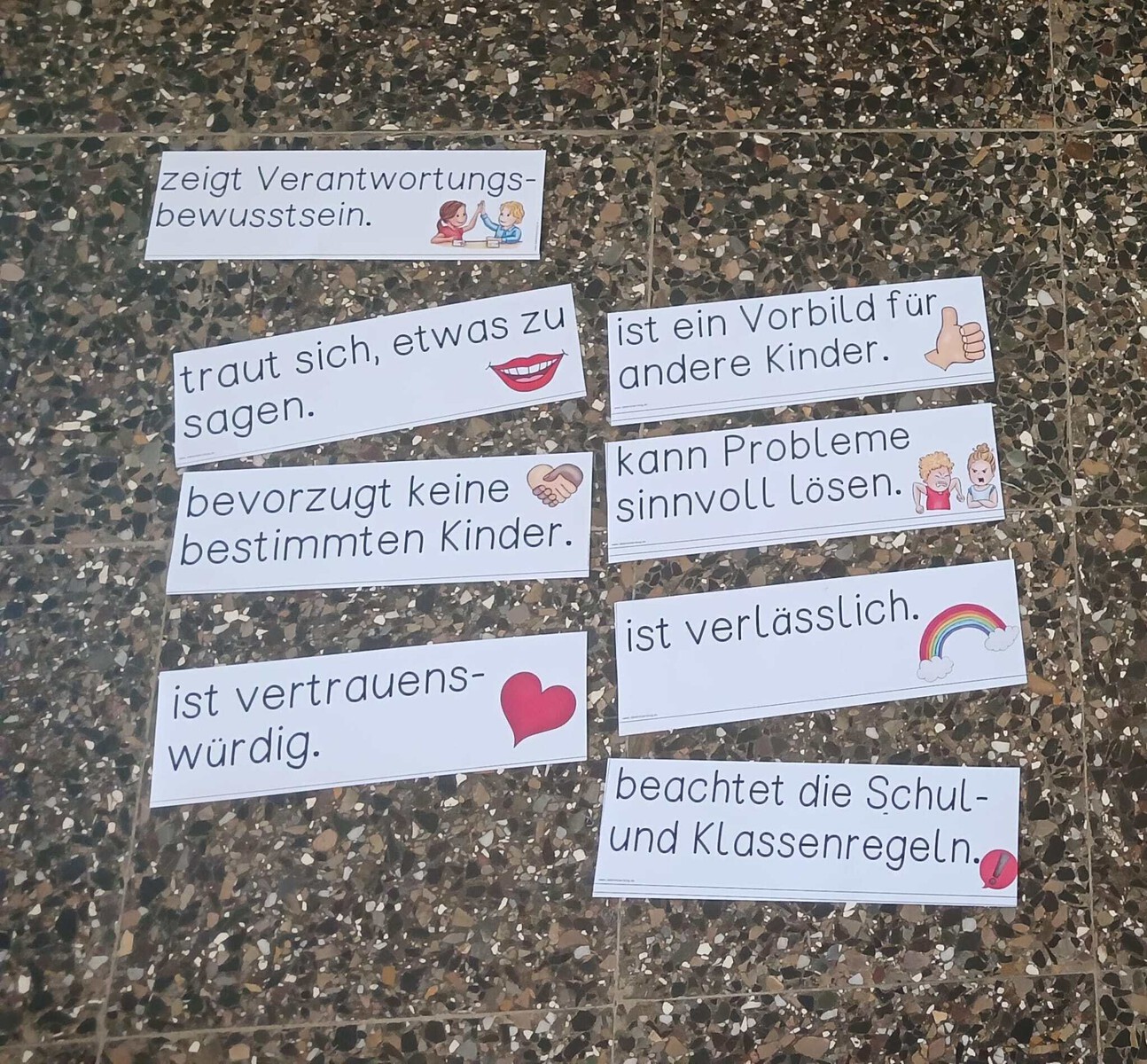
After the long break, our DaF lessons in Class 4 focused on the topic of introducing oneself while also revising and expanding basic vocabulary. The students completed a range of individual and interactive tasks to activate their vocabulary and gradually rebuild their confidence in using German.
It is also wonderful to see the progress one student from Class 3 is making. As she began learning German with almost no prior knowledge, we are currently focusing intensively on basic vocabulary and building her confidence in using the language. Step by step, she is making progress and increasingly beginning to participate in German.
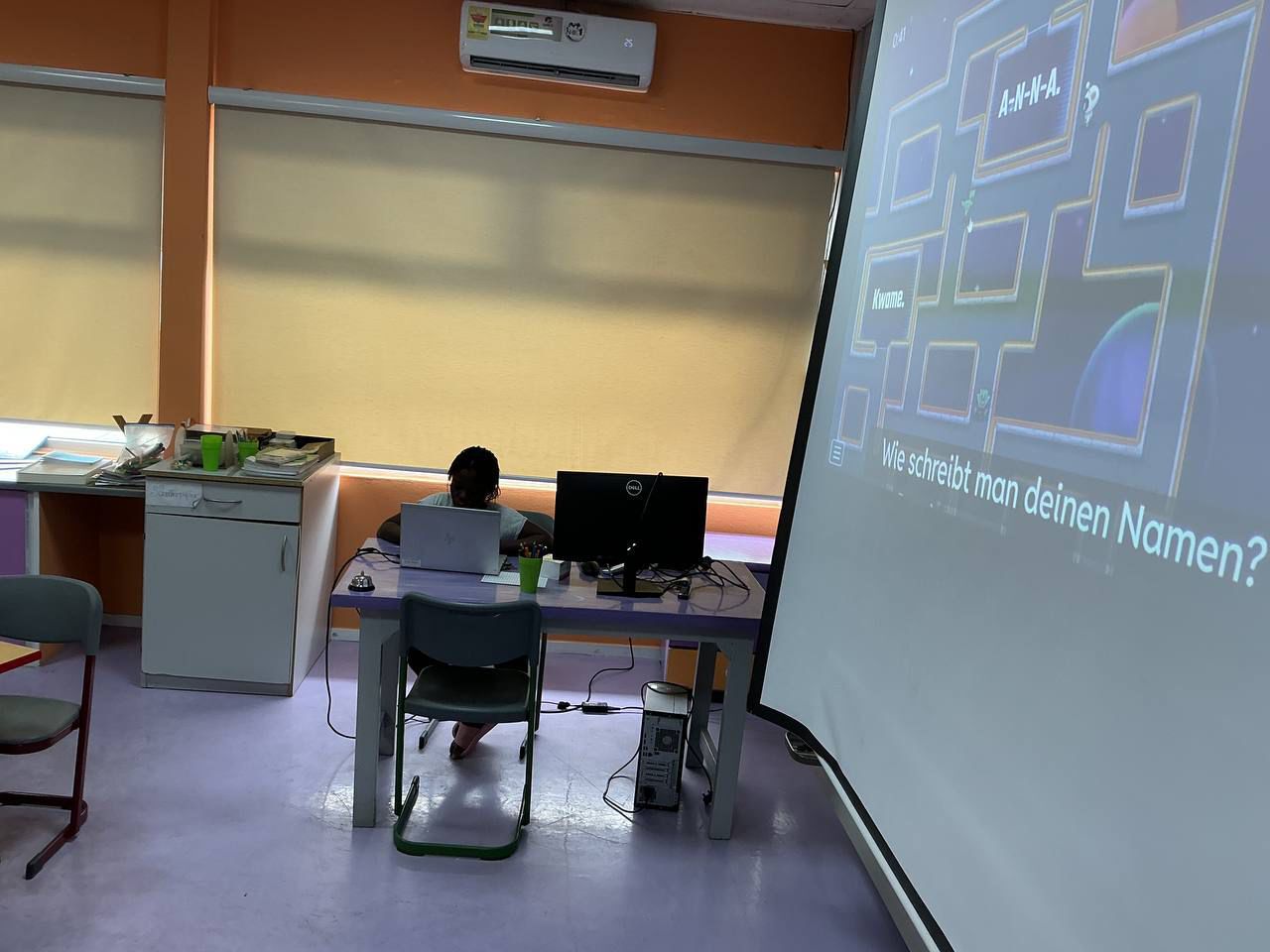
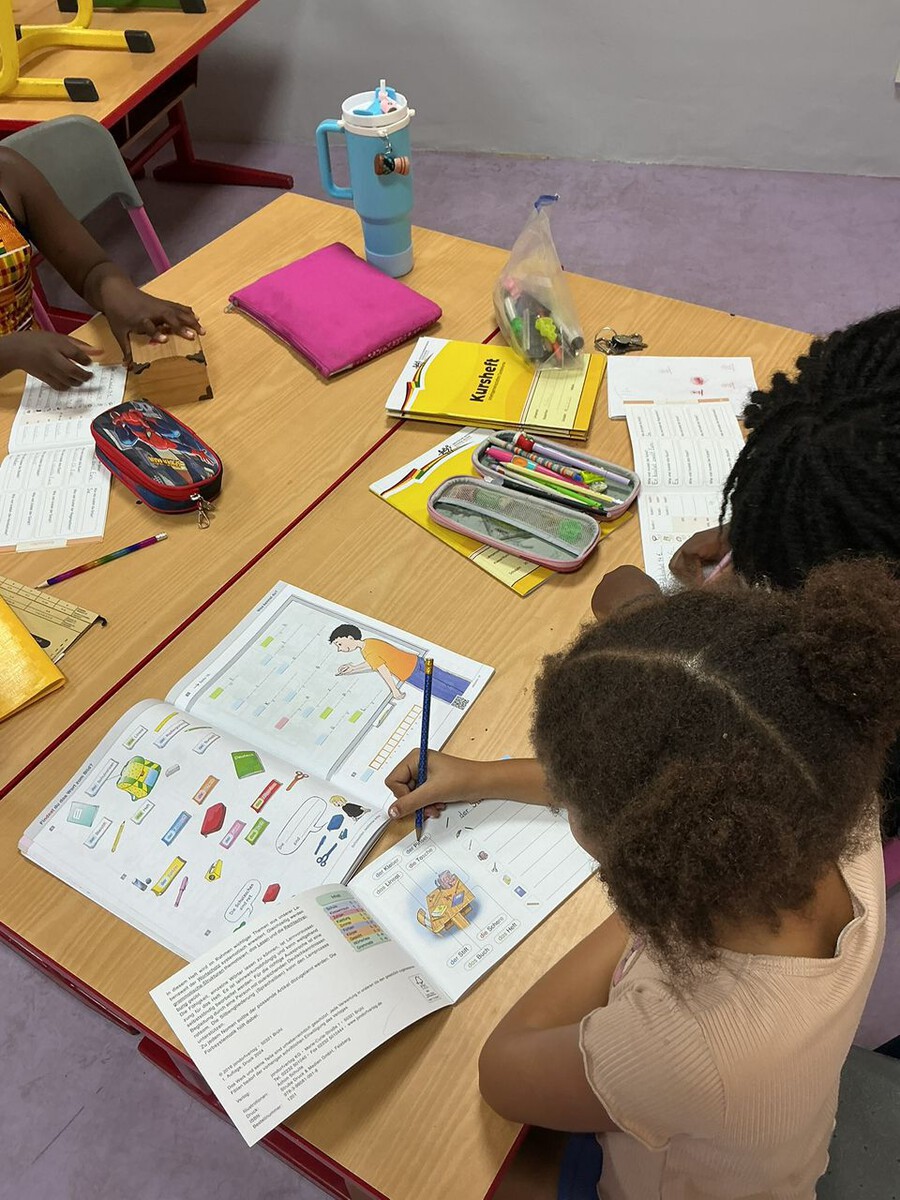
The photos were taken throughout this week and give a small impression of how the students have been working and learning in their DaF lessons.
Secondary School
Class 5: Reading the World, One Step at a Time
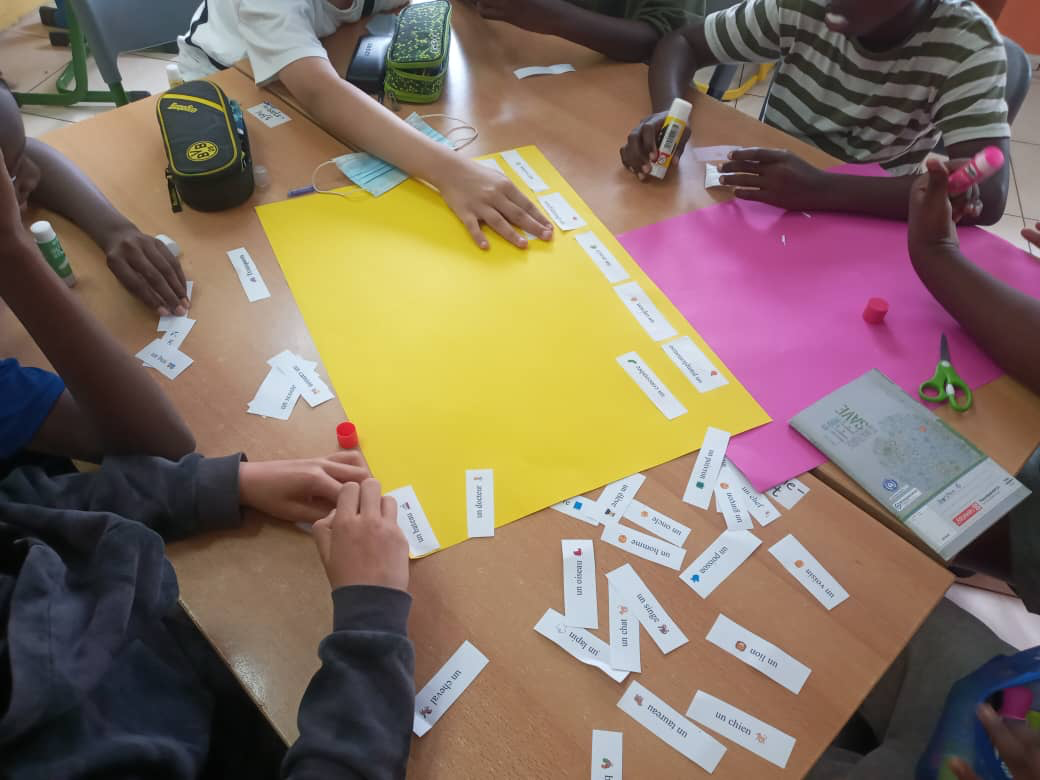 In Mathematics, we focused intensively on different types of diagrams. The students learned how to present bar charts clearly and draw them independently. They also practised creating and reading strip diagrams and worked with pie charts. The main aim was to extract information correctly from diagrams and present it in an understandable way.
In Ethics, the class representative election was the main focus. The students explored how a democratic election works and discussed the tasks and responsibilities of a class representative.
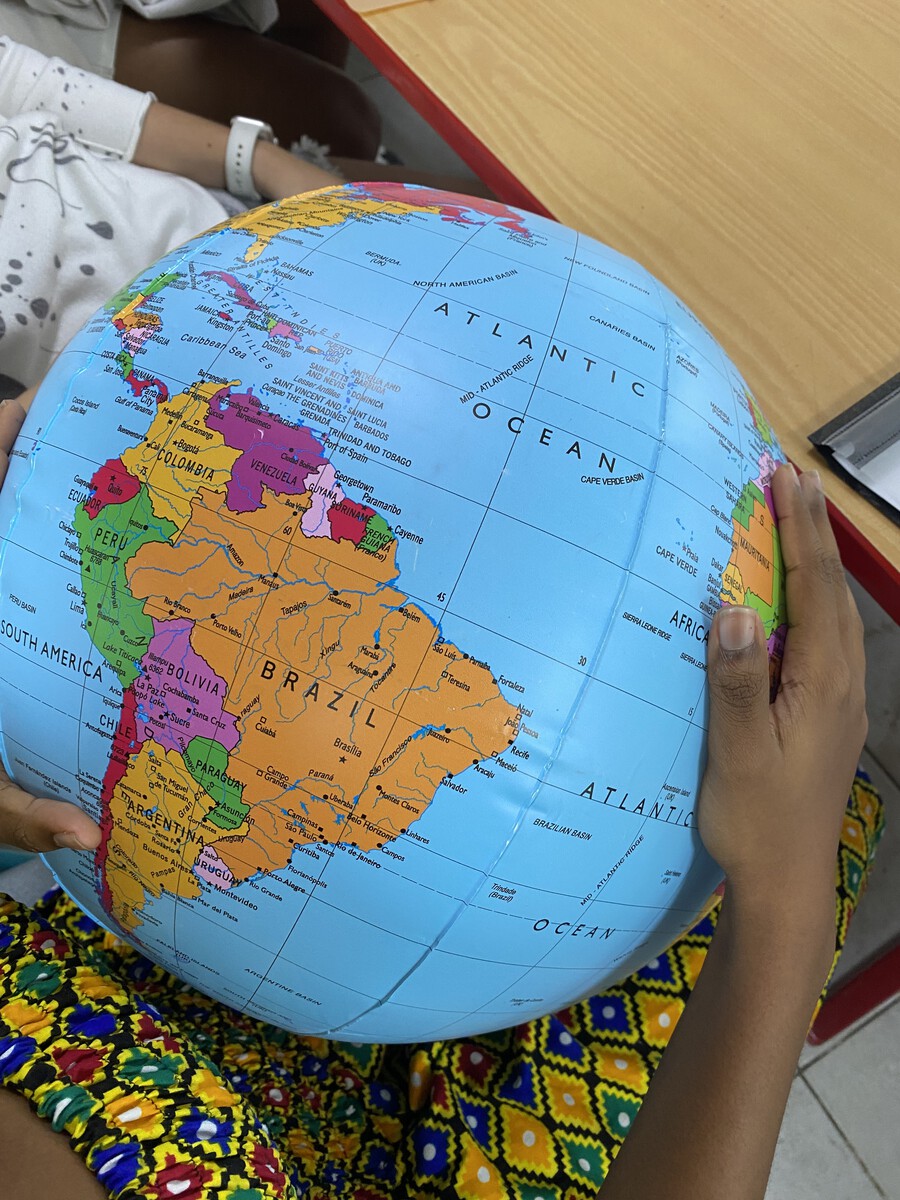 In Geography, we began with the fundamental question: “What actually is Geography?” We then learned about the continents and oceans of our planet. The students practised locating and naming them on a world map and describing their position. In doing so, they became increasingly confident in using maps and further developed their spatial awareness.
Through a variety of sprinting games, the students trained their speed and endurance. We also worked on reaction exercises, where the aim was to respond quickly to different signals.
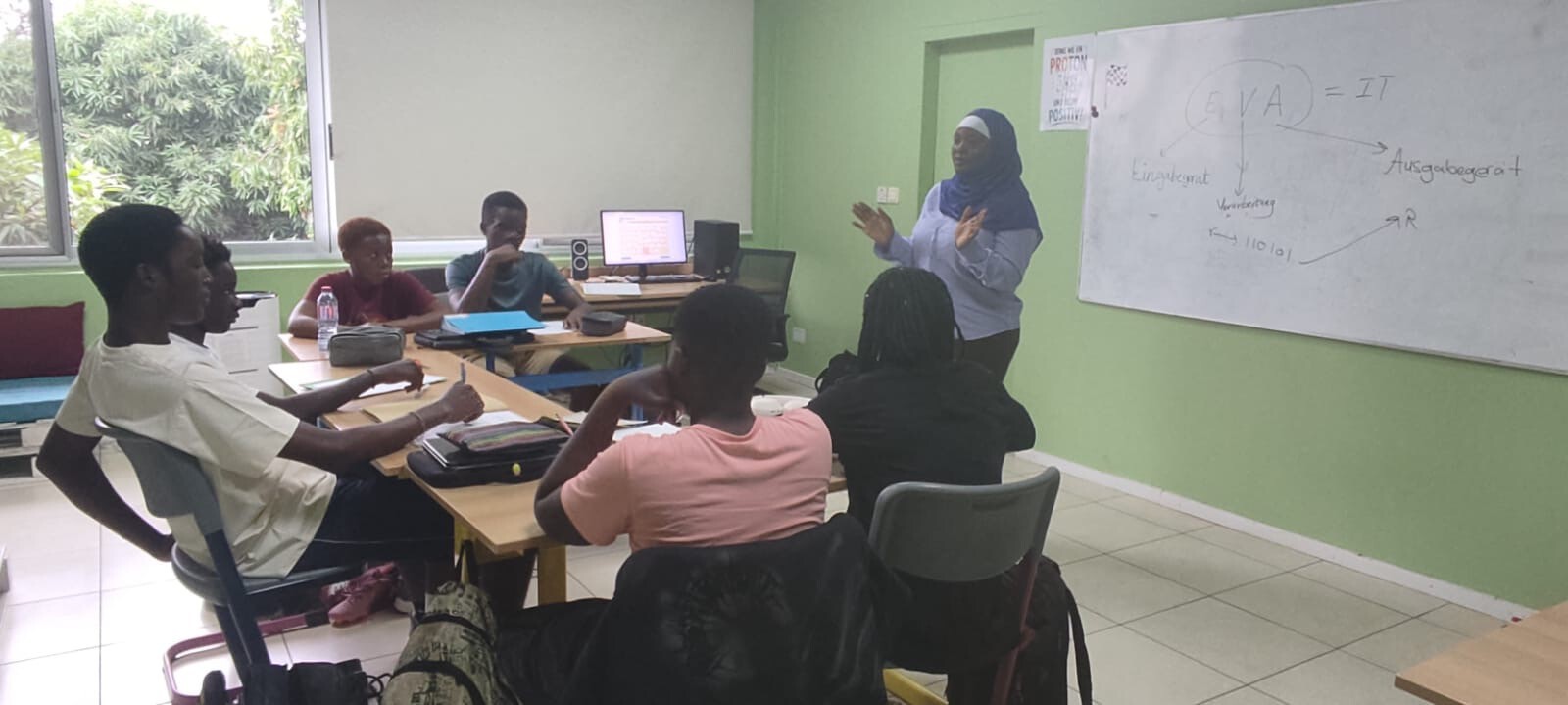
In Computer Science, the students learned what computer systems are. These include, for example, computers, tablets and smartphones. They also explored the input-process-output principle: information is entered, processed and then presented as output.
In German, we worked with our weekly learning plan for the second time. The children are becoming increasingly familiar with this new way of working and are learning to complete their tasks more independently and in a more structured way.
One of this week’s main topics was interviews. The students selected interesting questions and then interviewed one another. This allowed them not only to practise their language skills, but also to learn one or two new things about their classmates. It was wonderful to see how much interest and enjoyment they showed in talking to one another.
In the joint Art lessons for Classes 5 and 6, we continued drawing, painting and refining our colourful name pictures from last week.
Before reaching for paints, pencils and brushes, we first looked at and analysed some of our previous artwork. Together, we recalled the most important criteria: large, clearly recognisable letters, strong colours and individual designs. Then it was time to get creative.
Using tempera paints, coloured pencils and felt-tip pens, the students filled areas with colour, added patterns, worked on details and made final improvements. Once again, it became clear how differently the same task can be interpreted: from geometric to playful to quite wild.
After two weeks of creative work, we now have a colourful collection of names – individual, varied and certainly hard to miss. At least the question of who is who in our new classrooms should be settled for now.
In History, our journey into Ancient Greece began with the question: When and where are we? The students practised working with timelines, BC and AD, and centuries. We then took a closer look at the landscape of Greece. It quickly became clear how strongly mountains, coastlines and islands shaped people’s lives: mountains separated – the sea connected.
Class 6: Learning, Creating and Making Connections
In German, we worked with our weekly learning plan for the second time. The children are becoming increasingly familiar with this new way of working and are learning to complete their tasks more independently and in a more structured way.
One of this week’s main topics was interviews. The students selected interesting questions and then interviewed one another. This allowed them not only to practise their language skills, but also to learn one or two new things about their classmates. It was wonderful to see how much interest and enjoyment they showed in talking to one another.
In French, we focused on definite and indefinite articles. To support the topic, we created a vocabulary board with common everyday nouns and learned which article is used with each of them. The students organised the vocabulary into different categories such as food, animals, household appliances, school supplies and nature.
In the joint Art lessons for Classes 5 and 6, we continued drawing, painting and refining our colourful name pictures from last week.
Before reaching for paints, pencils and brushes, we first looked at and analysed some of our previous artwork. Together, we recalled the most important criteria: large, clearly recognisable letters, strong colours and individual designs. Then it was time to get creative.
Using tempera paints, coloured pencils and felt-tip pens, the students filled areas with colour, added patterns, worked on details and made final improvements. Once again, it became clear how differently the same task can be interpreted: from geometric to playful to quite wild.
After two weeks of creative work, we now have a colourful collection of names – individual, varied and certainly hard to miss. At least the question of who is who in our new classrooms should be settled for now.
In History, Class 6 also worked on placing Ancient Greece in its historical and geographical context. Alongside timelines, centuries and the date 776 BC, the students focused particularly on how the Greek landscape influenced the way people lived together. Mountains made travel by land more difficult, while the sea enabled travel and trade. This led to an important first historical idea: the landscape encouraged the development of relatively independent settlements.
Class 7: From Number Lines to the Stars
Our second week of school was once again full of variety. We travelled below zero on the number line, took a turn around the Earth’s axis, visited Charlemagne and, along the way, found out what Newton had to do with an apple.
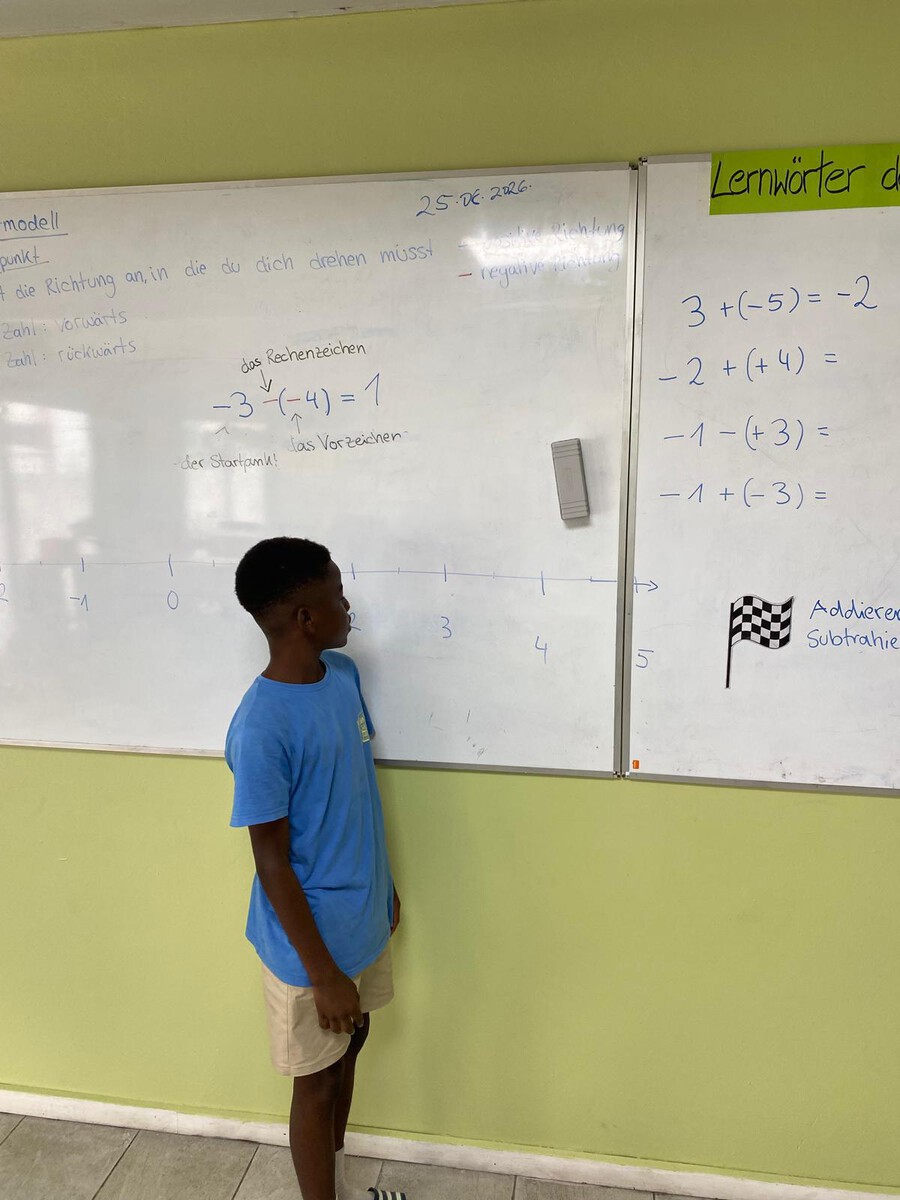 In Mathematics, we worked on increases and decreases with integers and then learned the step model for addition and subtraction. Some of our maths experts explained the process at the board before everyone had a chance to try it themselves. The individual calculation steps were marked on the number line, bringing plenty of movement into positive and negative numbers.
French became quite emotional this week – naturally, en français. We learned a range of adjectives to describe feelings and moods. We also worked with vouloir (“to want”) and pouvoir (“to be able to”) and practised using both verbs in simple sentences. This means we can now say not only how we feel in French, but also what we want and what we can do. Très bien!
In the joint German lessons for Classes 7 and 8, the students, together with the DaF learners from both classes, had the chance to get to grips with German grammar. Some familiar terms from previous years made a return: genus, number and case – what exactly were they again, and why do we need them?
Together, we activated prior knowledge, refreshed things that had been forgotten and explained to one another what may have been buried a little deeper in our grammatical memory.
The students then worked in small mixed groups on different tasks and a number of linguistic challenges. One thing became clear: even German cases are much easier to handle when you work together.
By the end, genus, number and case were certainly much more present again – as was the realisation that German grammar can be tricky, but is definitely manageable as a team.
Why was the solar eclipse visible in Europe but not in Ghana? To find out, we took a closer look at the Sun, the Earth and the Moon. We also explored how the Earth’s rotation creates day and night. A short journey through space – without even having to leave GISA.
How do you govern a huge empire without a mobile phone, email or video conferencing? Using Charlemagne as an example, we explored why travelling, personal presence and royal palaces were so important for medieval rulers. Aachen, in particular, became a focus. Working from home was clearly not an option for Charlemagne.
After our first research into Chance for Children (CfC), it was time this week to launch our project workshop. We deepened our research and began thinking about how we, as a class or school, could become active ourselves. Initial ideas are now gradually developing into concrete projects – because we do not just want to talk about social engagement, but also take action ourselves.
In Chemistry, we explored the question: “What is Chemistry?” The students then carried out their own research and created presentations on the computer. This resulted in interesting and creatively designed work – apparently Chemistry can not only react, but can also look rather good.
We also got to know Physics more closely as a natural science. We discussed what Physics actually is and how it differs from Chemistry. Of course, Newton and his famous falling apple could not be left out. Digital exercises then helped to reinforce the new knowledge.
And so our second week came to an end – a week in which we ventured below zero, spun the Earth, governed a medieval empire, planned projects and dropped apples.
Let’s see where Class 7 takes us next week – it probably will not be boring.
Class 8: Thinking, Creating and Looking Beneath the Surface
In Social Studies, the students first revised the main characteristics of a democracy. They then explored different types of democracy through concrete examples and compared parliamentary, presidential and direct democracy.
In Mathematics, the students continued working on algebraic expressions and applied their skills to practical examples. Using the areas of divided rectangles, they focused in particular on expanding brackets and factoring expressions.
In the joint German lessons for Classes 7 and 8, the students, together with the DaF learners from both classes, had the chance to get to grips with German grammar. Some familiar terms from previous years made a return: genus, number and case – what exactly were they again, and why do we need them?
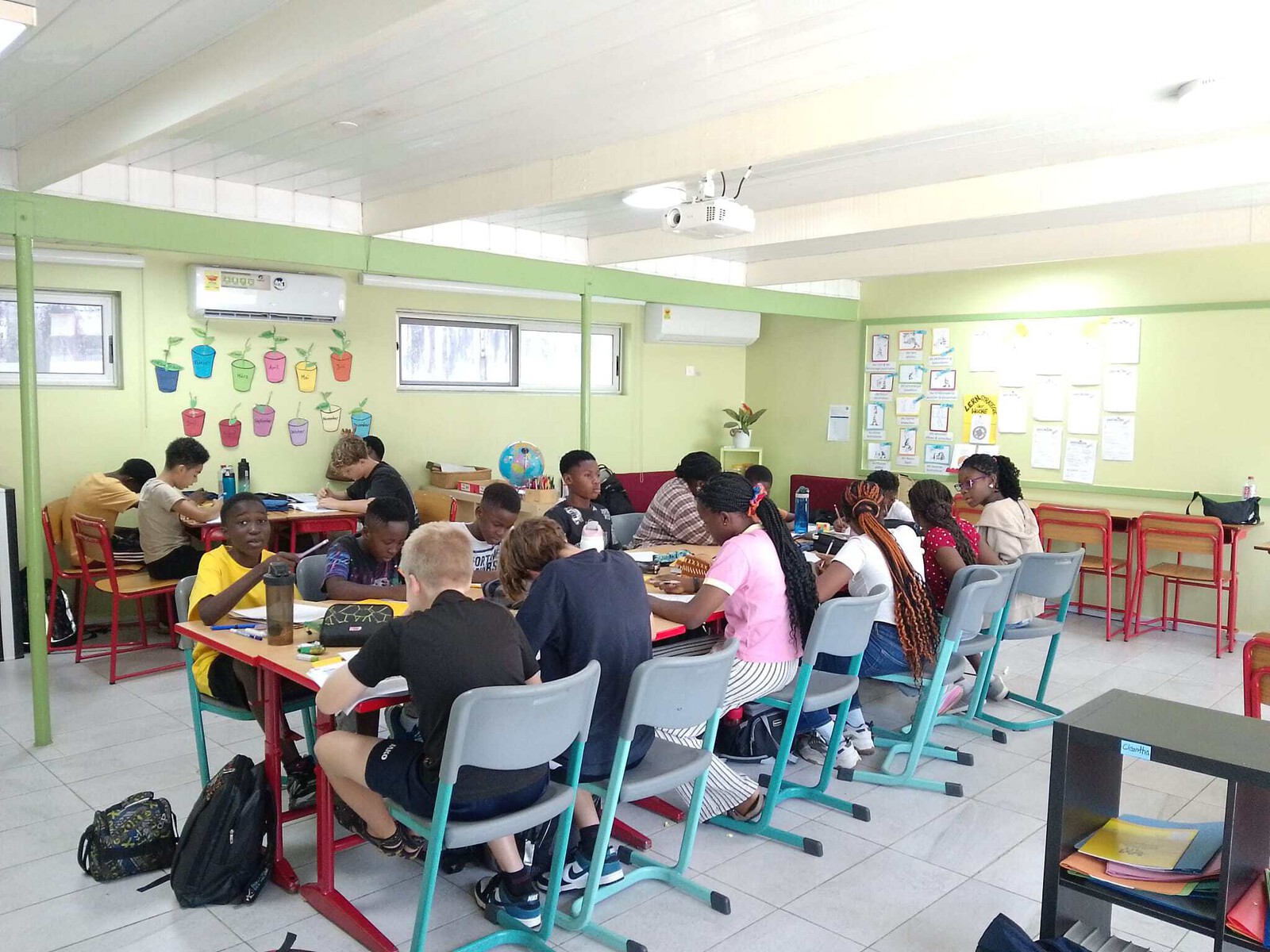
Together, we activated prior knowledge, refreshed things that had been forgotten and explained to one another what may have been buried a little deeper in our grammatical memory.
The students then worked in small mixed groups on different tasks and a number of linguistic challenges. One thing became clear: even German cases are much easier to handle when you work together.
By the end, genus, number and case were certainly much more present again – as was the realisation that German grammar can be tricky, but is definitely manageable as a team.
In History, Class 8 took a closer look at how Charlemagne gained, secured and expanded his power. It became clear that rule in the Early Middle Ages functioned very differently from a modern state: the king had to be physically present, travel through his realm and rely on personal relationships and important centres of power. At the same time, we also critically examined what Charlemagne’s expansion meant for the conquered territories and their populations.
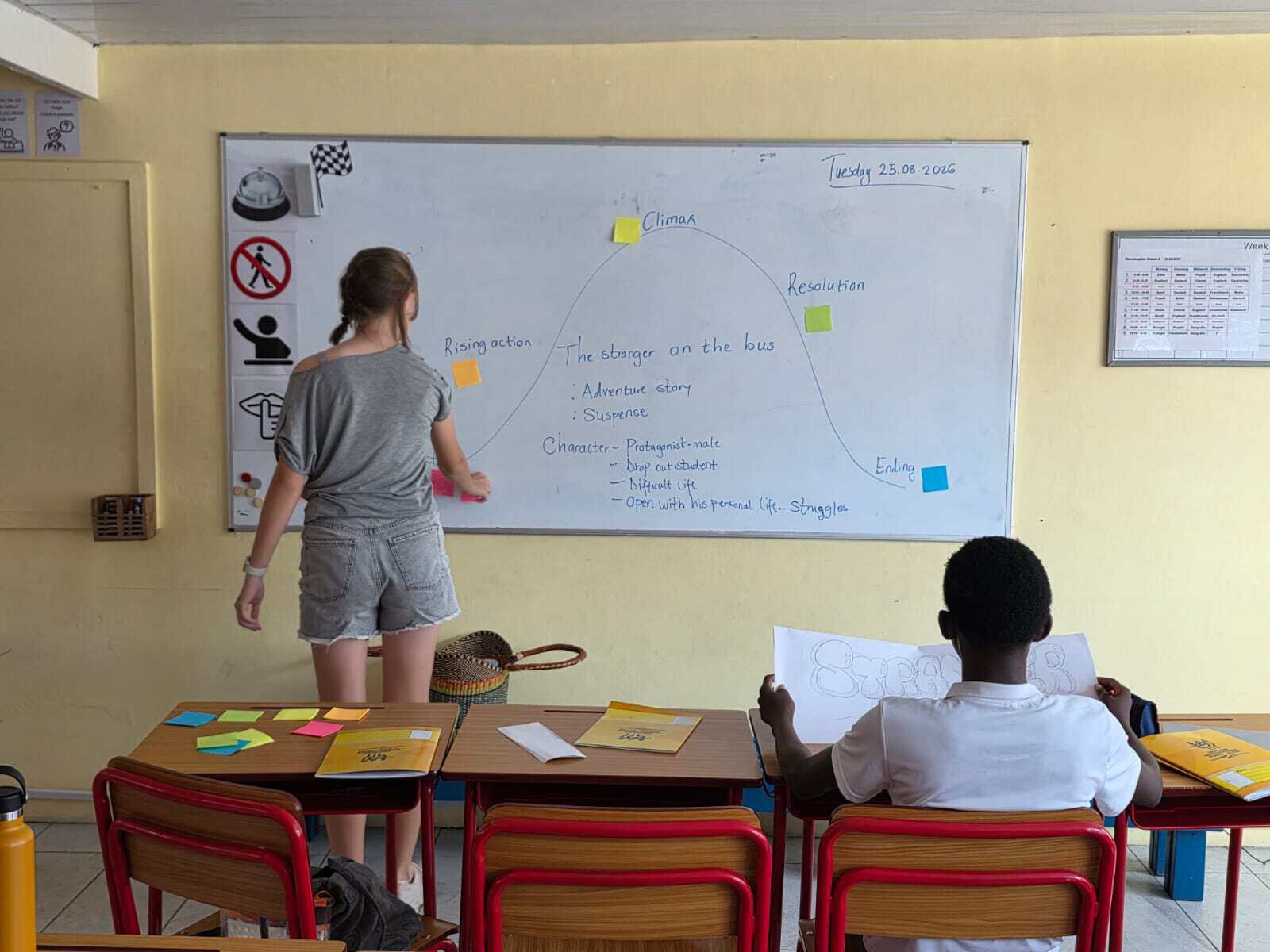
In English, the students began working in teams on an adventure story. The challenge is to create one shared story – eight minds, one story – while keeping the key elements in mind: introduction, rising action, climax, resolution and ending. The introduction is almost complete, and the different sections have been colour-coded to make the structure clear. There have already been lively discussions around the story ideas, and it has been great to see the students’ creativity and teamwork in action.
In French, Class 8 focused on personal pronouns this week. The students explored how pronouns are used to refer to people and practised identifying and using them correctly in simple sentences. The lessons also reinforced their understanding of subject-verb agreement and sentence structure.
Class 9: Class 9 Is Gaining Momentum
Class 9 continued to work with focus and commitment during the second week of school.
In Mathematics, we began the first topic, “Algebraic Expressions and Equations”. The students first revised and consolidated their understanding of expressions. These skills provide an important foundation for forming, transforming and solving equations. Alongside the school textbook, digital exercises were used to practise and deepen the new content independently.
In Physics, we continued with the topic of “Motion” from the field of Mechanics. The focus was on uniform motion. The students explored the relationship between distance, time and speed. Through a range of tasks, they practised calculating speed, using units correctly and describing different types of motion.
In Chemistry, we focused on the structure of atoms. The students revised the components of an atom and examined the structure of the nucleus and electron shell. They worked with protons, neutrons and electrons, as well as atomic mass and the distribution of electrons across different shells. In short presentations, they shared their results and consolidated their understanding of atomic structure.
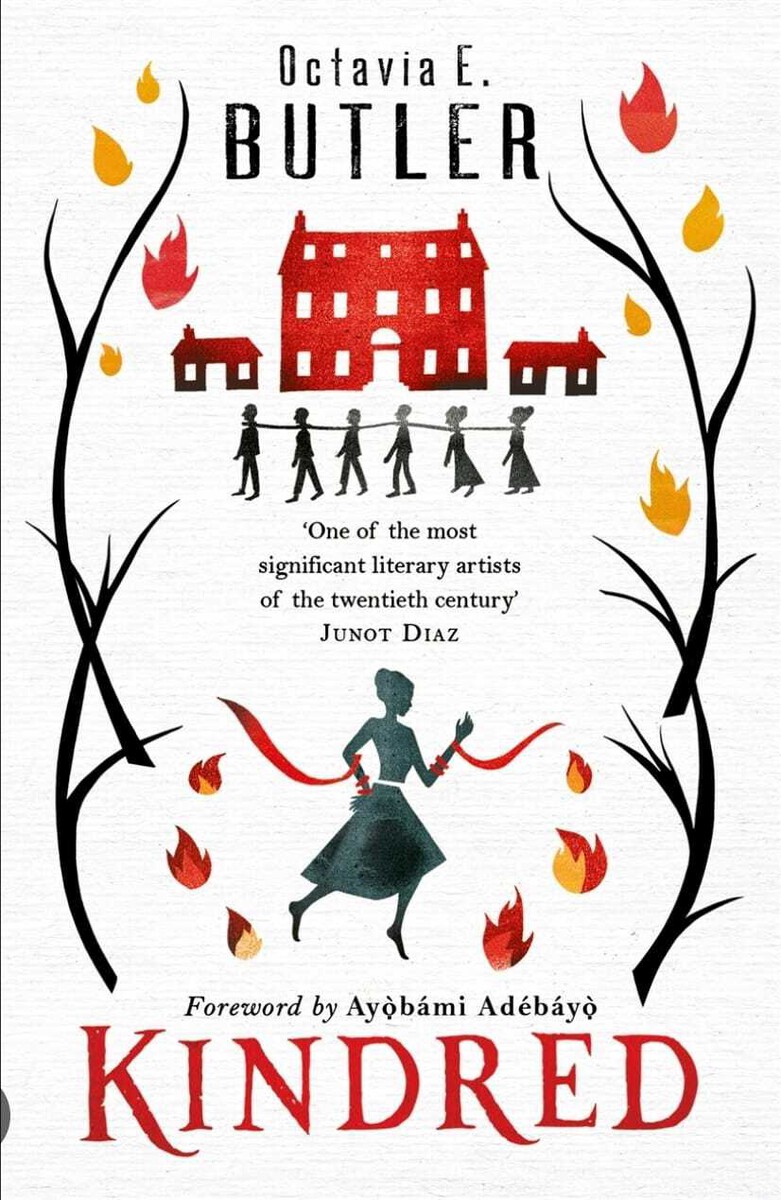 In English, the focus at this level will increasingly be on literature. As an introduction, the students explored the question of what literature actually is and examined similarities and differences between American, British, Ghanaian and German literature.
In the coming weeks, the class will begin analysing “Kindred” by the American author Octavia E. Butler. The students will increasingly develop their own analyses and interpretations of the text and explore some of the novel’s key themes.
In German, our second week back at GISA was all about analysing, reflecting and correcting. After completing our postcards about the summer holidays, we took a closer look at our own texts and came across some familiar friends from grammar, spelling and punctuation.
Capitalisation of nouns was a particular focus. We revised how nouns can be identified and which signal words can help. Then it was time to check texts, spot nouns, question spellings and, of course, make corrections.
Once again, it became clear that mistakes in other people’s texts seem to jump out immediately – while in our own writing, they are surprisingly good at hiding.
Our postcards are now not only finished, but also thoroughly checked for language. And the nouns? They are finding it much harder now to hide in lowercase.
In Biology, the students described the structure of a tree trunk and its importance for transporting substances through the plant. They distinguished between the different transport tissues, their position within the trunk, the substances transported through them and the direction in which these substances move.
In History, the topic came particularly close to our own school this week. Starting with imperialism, mission and colonial expansion, the students explored Friedrich August Ramseyer, after whom our school was named for many years. His historical role was considered from different perspectives: his missionary work, his personal biography and the colonial structures of his time.
The final evaluation was particularly interesting. Rudatu concluded that, as an ambivalent historical figure, Ramseyer would be a difficult choice as a school namesake from today’s perspective. This made clear that History is not only about the past, but also about how we choose to deal with that past today.
In Ethics, the students explored the origins and basic principles of Buddhism. They also considered to what extent certain aspects of Buddhism might be helpful in dealing with challenges in everyday life.
In French, Class 9 focused this week on the passé composé, one of the most important past tenses in French. The students learned how this tense is formed and practised using it to talk about completed actions and events in the past. Through guided exercises, they formed simple sentences and became more confident in speaking and writing about past events.
🔜 Dates & What’s Ahead
👨👩👧👦 Monday, 31 August 2026, 4:00 p.m.
Class Parent Meeting / Parents’ Evening – Class 4
👨👩👧👦 Tuesday, 1 September 2026
Class Parent Meeting / Parents’ Evening – Class 9
👨👩👧👦 Wednesday, 2 September 2026, 4:00 p.m.
Child Care Center Parents’ Evening & Class Parent Meeting – Class 8
⛪ Sunday, 6 September 2026, 11:00 a.m.
Welcome Service of the German Protestant Congregation in Accra
The congregation will welcome pastoral couple Jens Junginger and Heidi Hafner, who will be spending ten months in Accra. The welcome service will take place at Ridge Church, followed by a Church Café. No registration is required.
🌊 Saturday, 19 September 2026
Beach Clean-up with Mayekoo at Ananse Beach in Nungua
As a school community, we want to take action together, take responsibility for our environment and make a visible contribution to sustainability and the protection of our seas and beaches. A short participation survey will follow soon.
🇬🇭 Monday, 21 September 2026
Founder’s Day – No School
📚 Friday, 25 September 2026
Professional Development Day – No Regular Classes / Emergency Childcare Available
There will be no regular lessons on this day. Emergency childcare will be available for families who require it.
⚽🤝 Tuesday, 29 September 2026
Faces of Football – 3rd Edition at GISA
Together with former German national team player Petra Landers, the third edition of “Faces of Football” will bring together around 30 girls from the Universal Wonderful Street Academy, Chance for Children and GISA. The day will focus on football, connection and community. The German Sparkassenstiftung for International Cooperation will support the event with interactive activities on financial education.
🍂 Monday, 19 October – Friday, 23 October 2026
Autumn Break
🇩🇪 Saturday, 31 October 2026
German Language Day at GISA
Together with our partners, we will bring the German language to life across our campus through encounters, cultural contributions, creative activities and many opportunities to speak German together.
❤️ 7–14 November 2026
Heart Surgeries in Accra
Once again this year, the medical team from Duisburg will travel to Ghana to carry out life-saving heart surgeries for children together with its local partners. Our school community will once again accompany and support the initiative.
🎭 Friday, 13 November 2026
Cultural Festival at the Goethe-Institut
The Cultural Festival at the Goethe-Institut will offer another opportunity for encounters, language and culture in an international atmosphere.
🎄 Saturday, 28 November 2026
Traditional Christmas Market at GISA
At the end of November, we look forward to our traditional Christmas Market on the GISA campus – a wonderful opportunity for our international school community to come together, celebrate and enjoy the festive season.
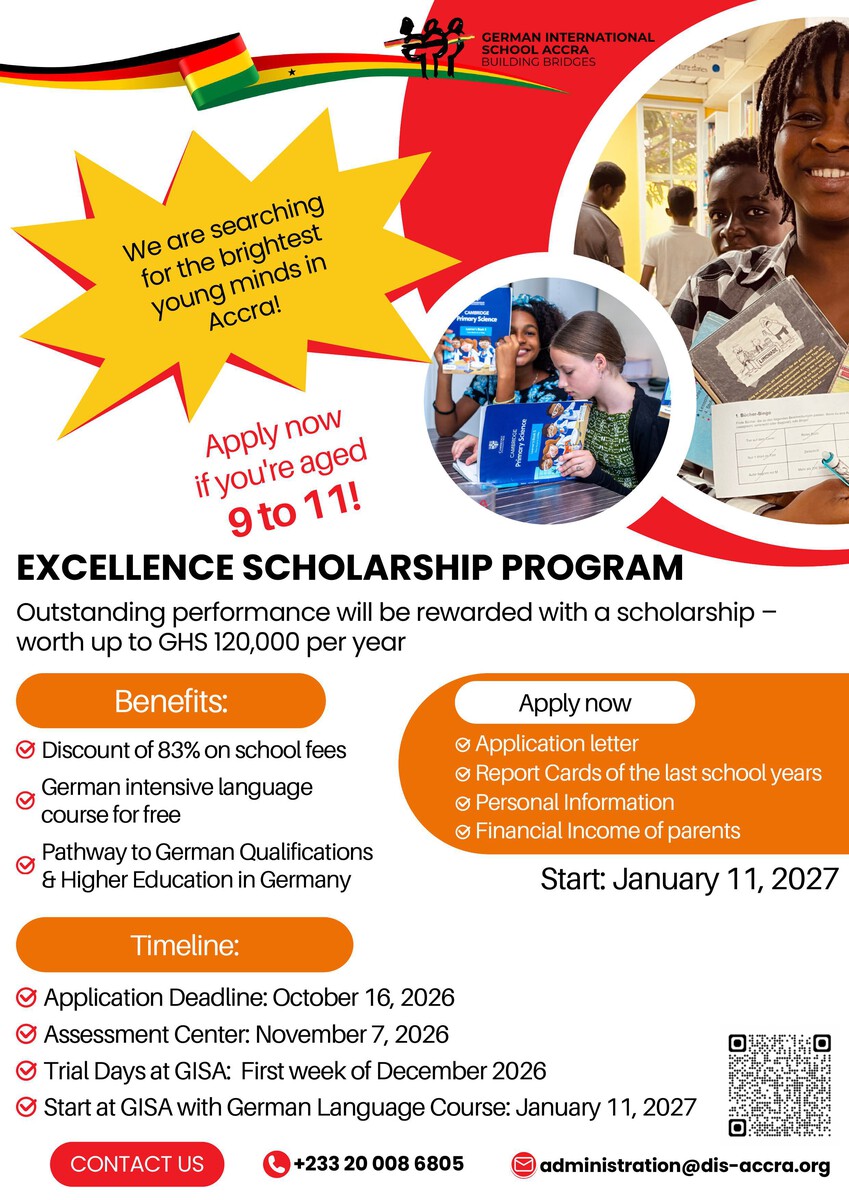
Excellence Scholarship Programme 2027
⚽Gerald Asamoah Football Academy
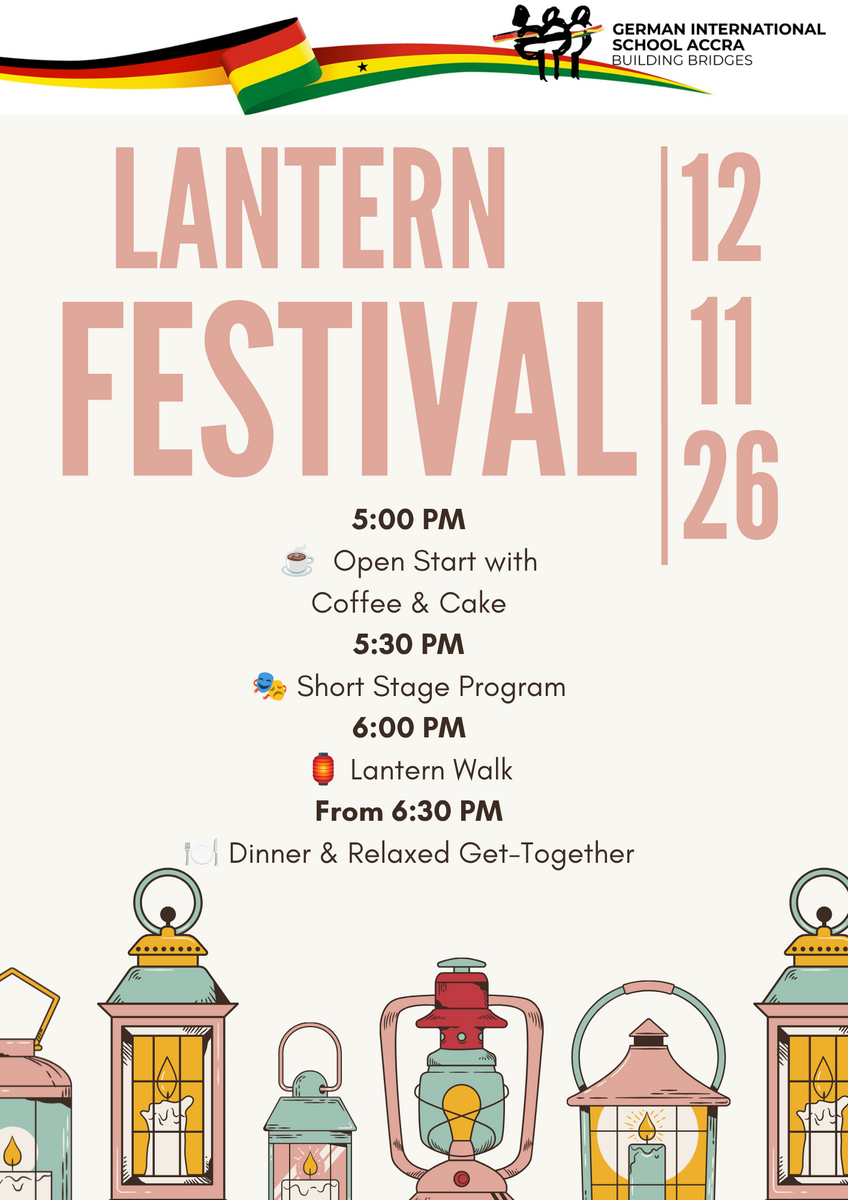
Lantern Festival
🇩🇪 German Language Day

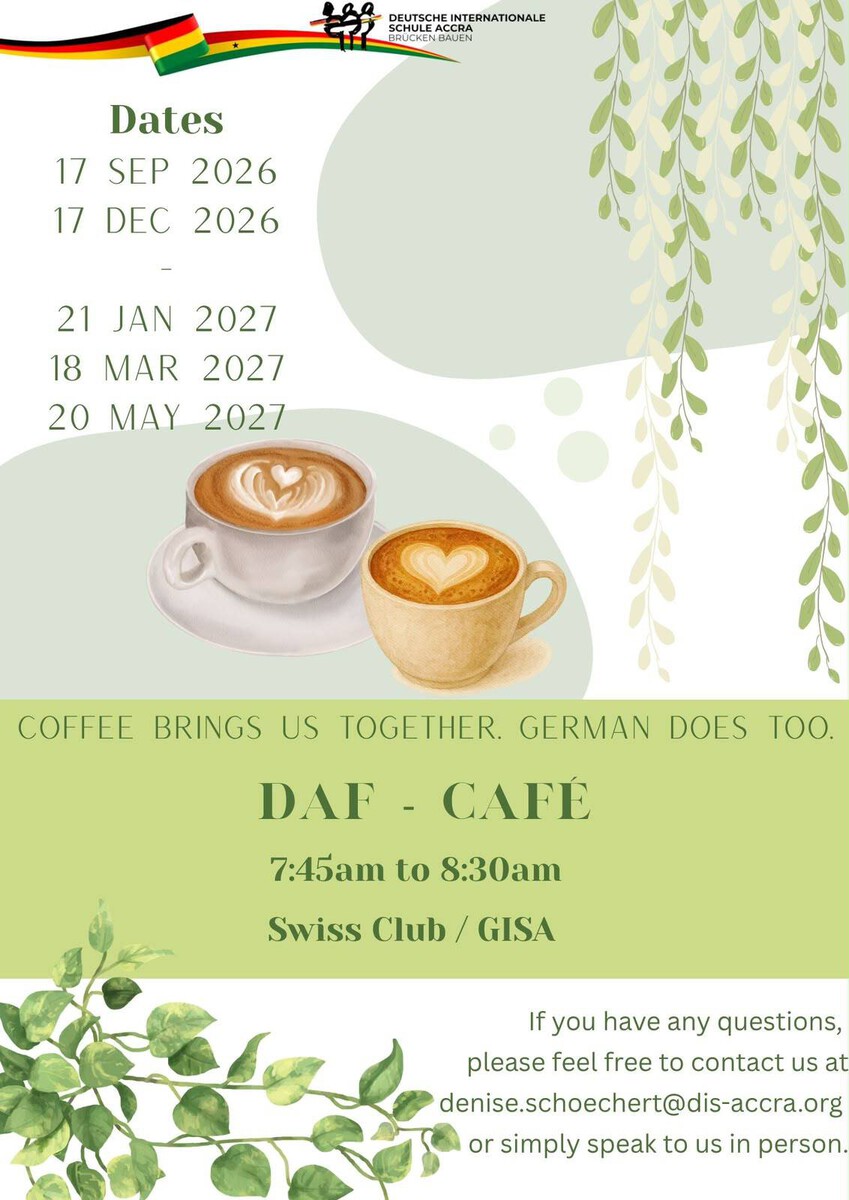
☕ DaF Café: Speaking German and Connecting Through Conversation
GISA Teen Club