Newsletter 16.10.2026


As we reach the end of the final school week before the autumn break, the full variety of school life at GISA has once again been on display. Our students have been calculating, writing, experimenting, presenting, creating, discussing and taking responsibility together. At the same time, many projects are already looking beyond the holidays towards the Lantern Festival, German Language Day, the Cultural Festival and many other highlights in the weeks ahead.
Our growing Secondary School is also increasingly developing its own profile. Social learning, personal responsibility, language-sensitive subject teaching and active participation in school life are becoming increasingly important parts of learning at GISA.
We wish all families a relaxing autumn break and look forward to welcoming everyone back on Monday, 26 October!
Saying Goodbye to Patience Amankwah – with a Smile and a Tear
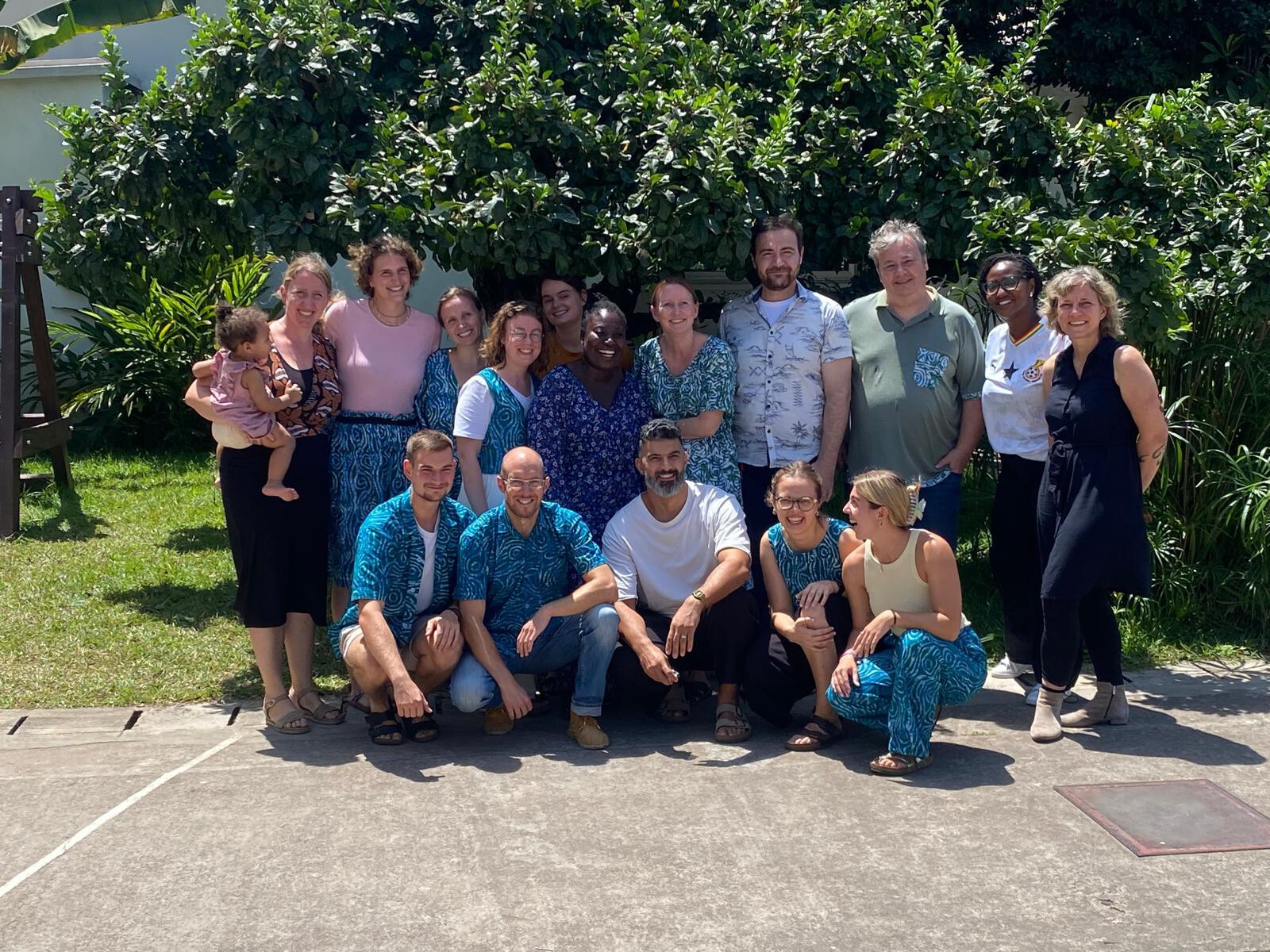 After many months at GISA, it is now time to say goodbye to our much-loved intern Patience Amankwah. Her internship was originally due to end earlier, but Patience extended her time with us beyond the summer holidays and stayed until October, once again going the famous “extra mile” for our school.
She is now leaving GISA with both a smile and a tear. On the one hand, she is looking forward to returning to Hamburg and, after such a long time in Accra, is beginning to feel a little homesick. On the other hand, she already knows that once she is back in Germany, she will soon start suffering from “GISA-sickness”.
We would like to thank Patience warmly for her commitment, her kindness and the many ways in which she has enriched our school community. We wish her all the very best for the future – and, of course, hope to see her again!
A Letter from Our School Nurse – Breast Cancer Awareness in October
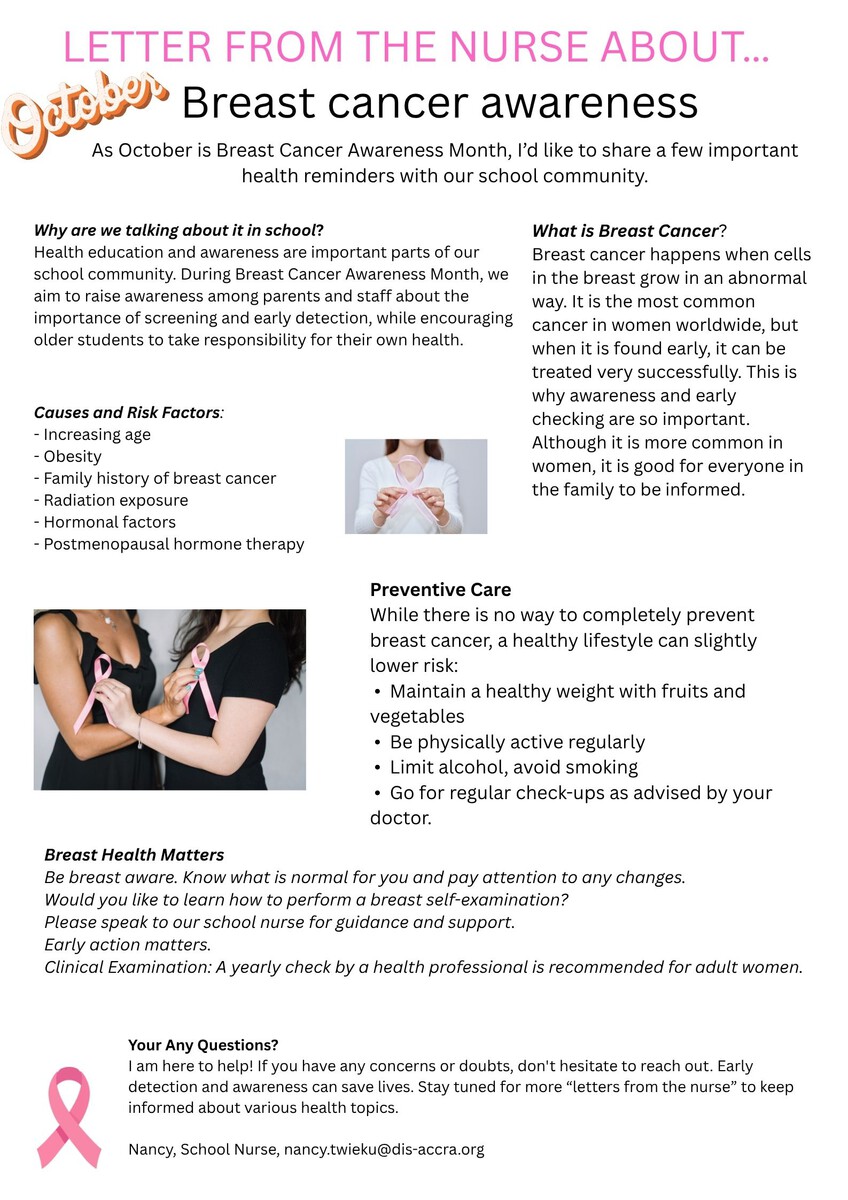 As part of Breast Cancer Awareness Month, our school nurse Nancy is sharing information about breast cancer, possible risk factors and the importance of prevention and early detection.
The letter is aimed particularly at parents and staff members in our school community, while also encouraging older students to develop a responsible approach to their own health.
GISA Football Academy U10 in Action against Diamond FC
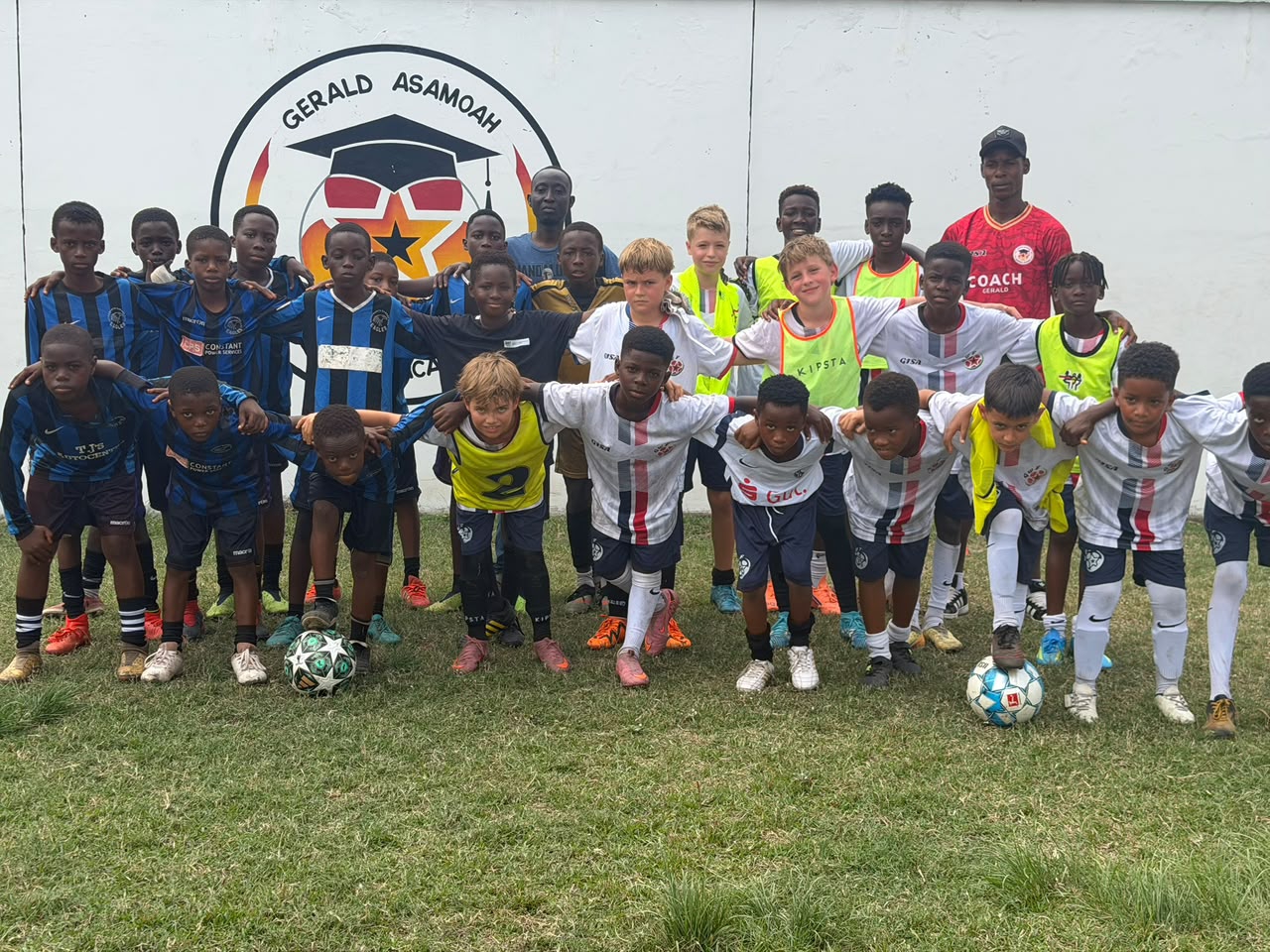 Our U10 team played against Diamond FC on 10 October and showed great commitment, courage and team spirit. Alongside sporting development, the focus was also on confidence, discipline and learning together as a team.
➡️ Read more: GISA Football Academy U10 in Action against Diamond FC
A Night Full of Stories, Puzzles and Magic at GISA!
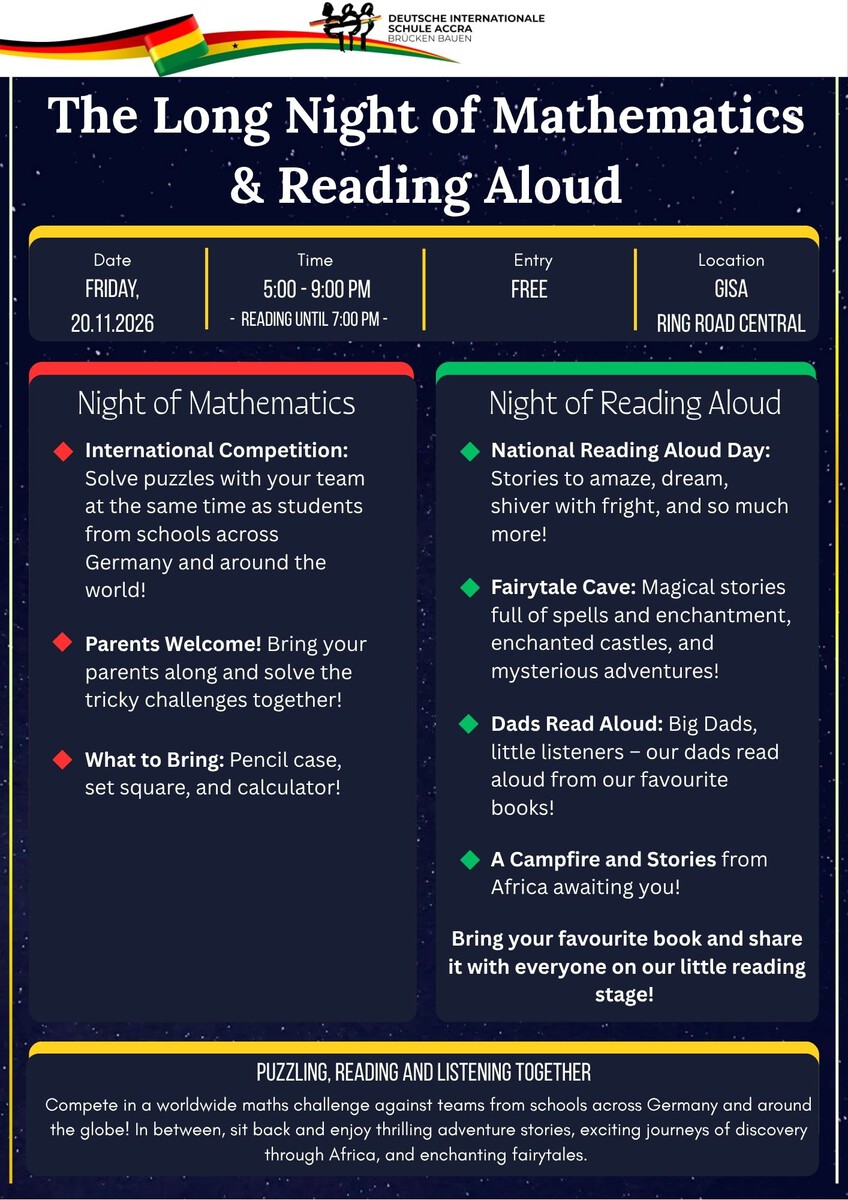 On Friday, 20 November 2026, we will combine the Long Night of Mathematics with Germany’s National Reading Aloud Day. From 5:00 to 9:00 p.m., our school community can look forward to stories, reading stations, challenging maths puzzles and plenty of shared discovery.
➡️ Read more: A Night Full of Stories, Puzzles and Magic at GISA
Nursery & Kindergarten
Nursery – Autumn, Music & Water Fun
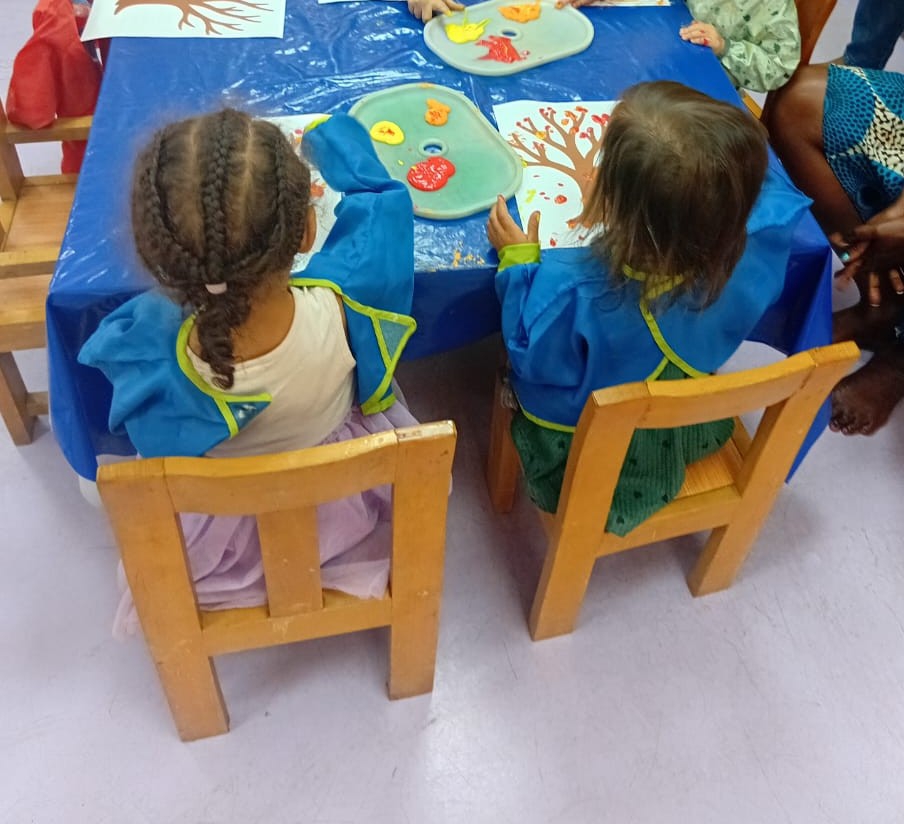
 This week, the theme of autumn continued to be at the centre of our activities. The children created colourful autumn leaves using finger paints and experimented with different autumn colours through leaf printing. These activities encouraged creativity, fine motor skills and the exploration of colours and textures.
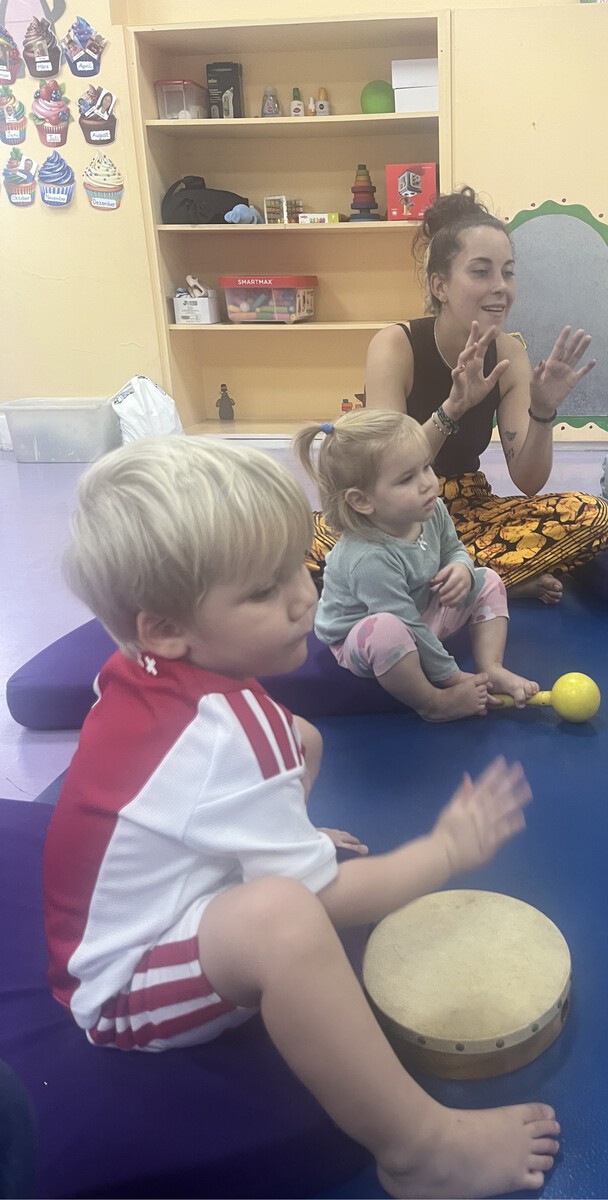
During Circle Time, the children accompanied German and English autumn songs using various musical instruments. In this playful way, they developed their language skills, sense of rhythm, coordination and musical expression.
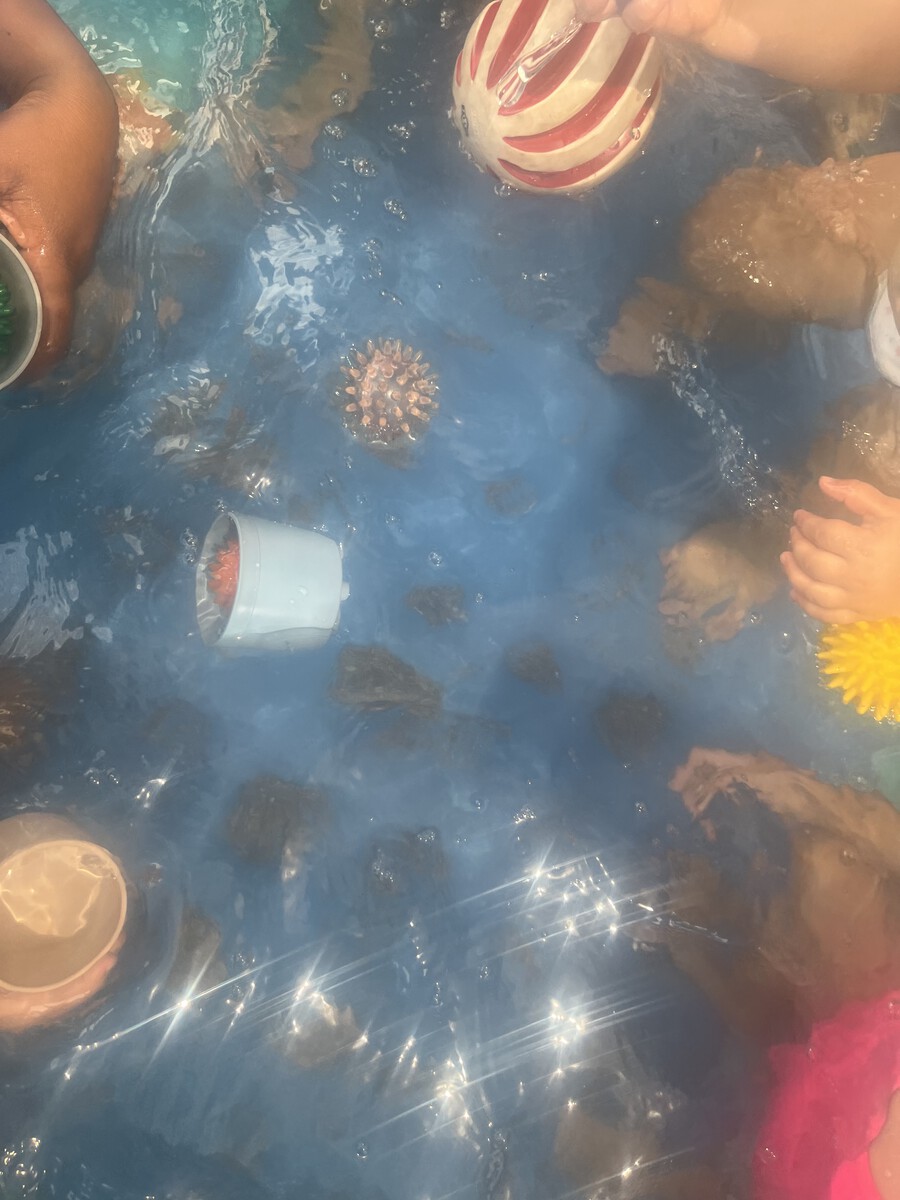
To end the week, a joyful Water Day brought lots of fun and shared sensory experiences. The children enjoyed splashing, experimenting with water and playing together.
A colourful week full of discoveries, music, movement and joy!
Kindergarten – The Excitement for Our Lantern Festival Is Growing
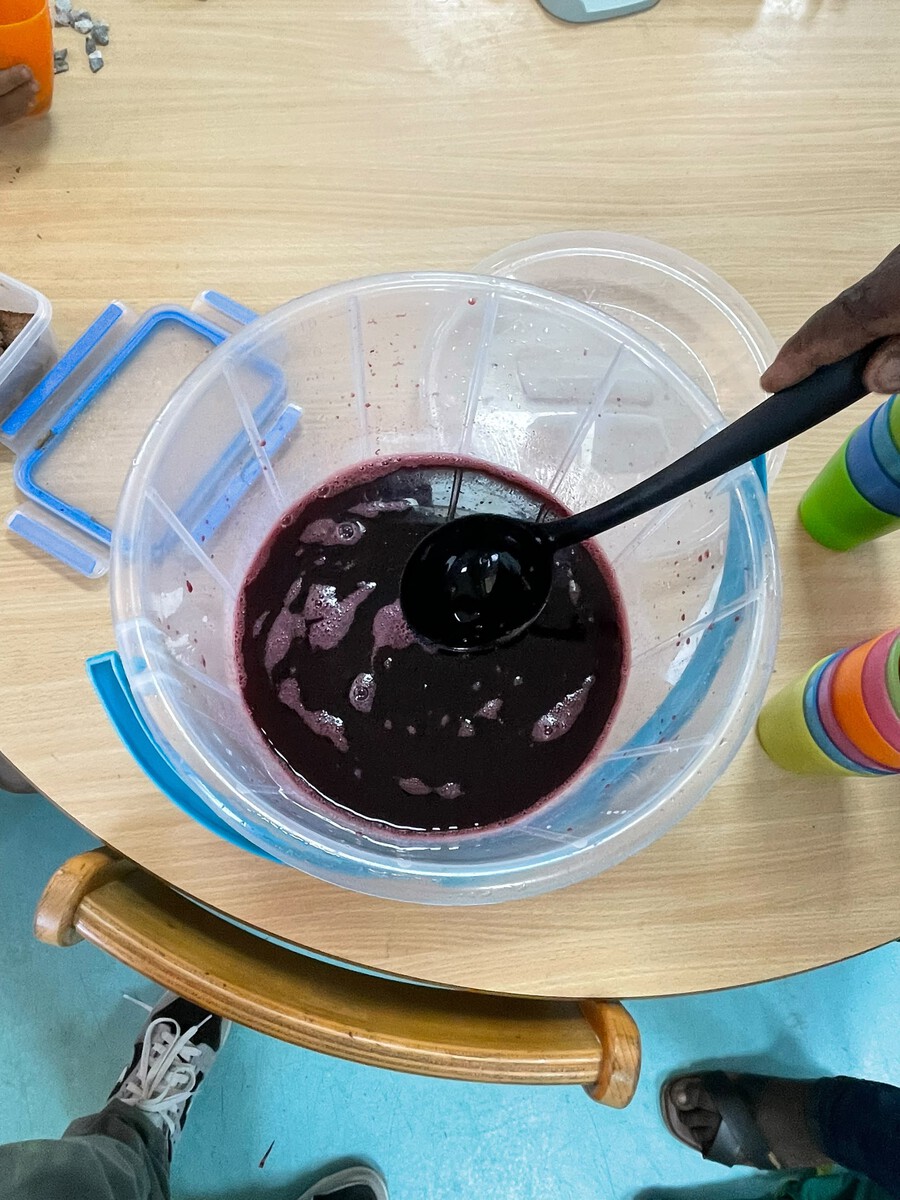
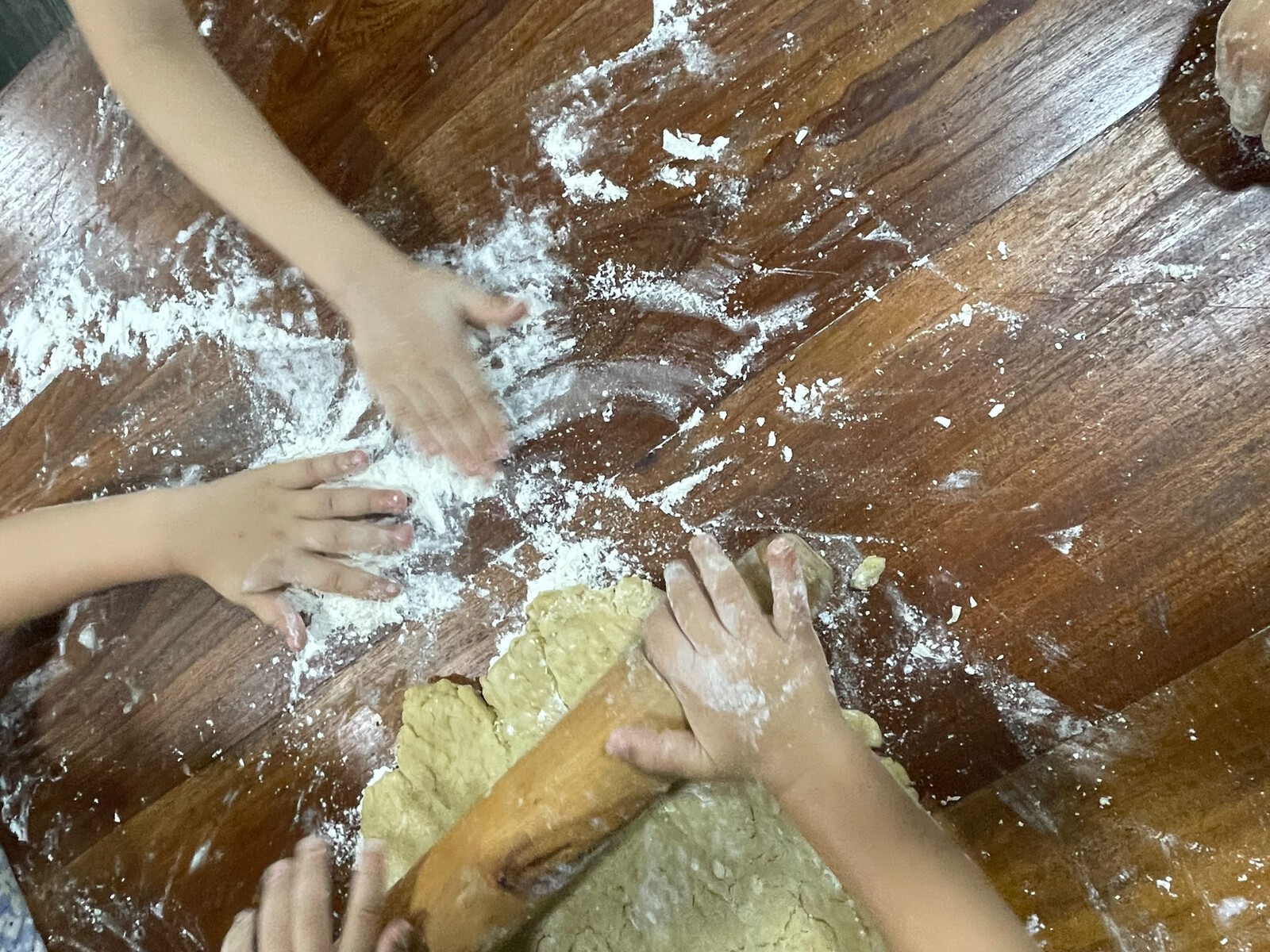
This week, we kicked off the St. Martin’s season and began preparing for our upcoming Lantern Festival. Together, we gathered ideas for lanterns, read the story of St. Martin and practised our St. Martin’s songs. We also baked a pie and prepared and tasted Sobolo together with the children.
During Mission Move, the children completed their scooter board driving licence, playfully developing their coordination, agility and body control.
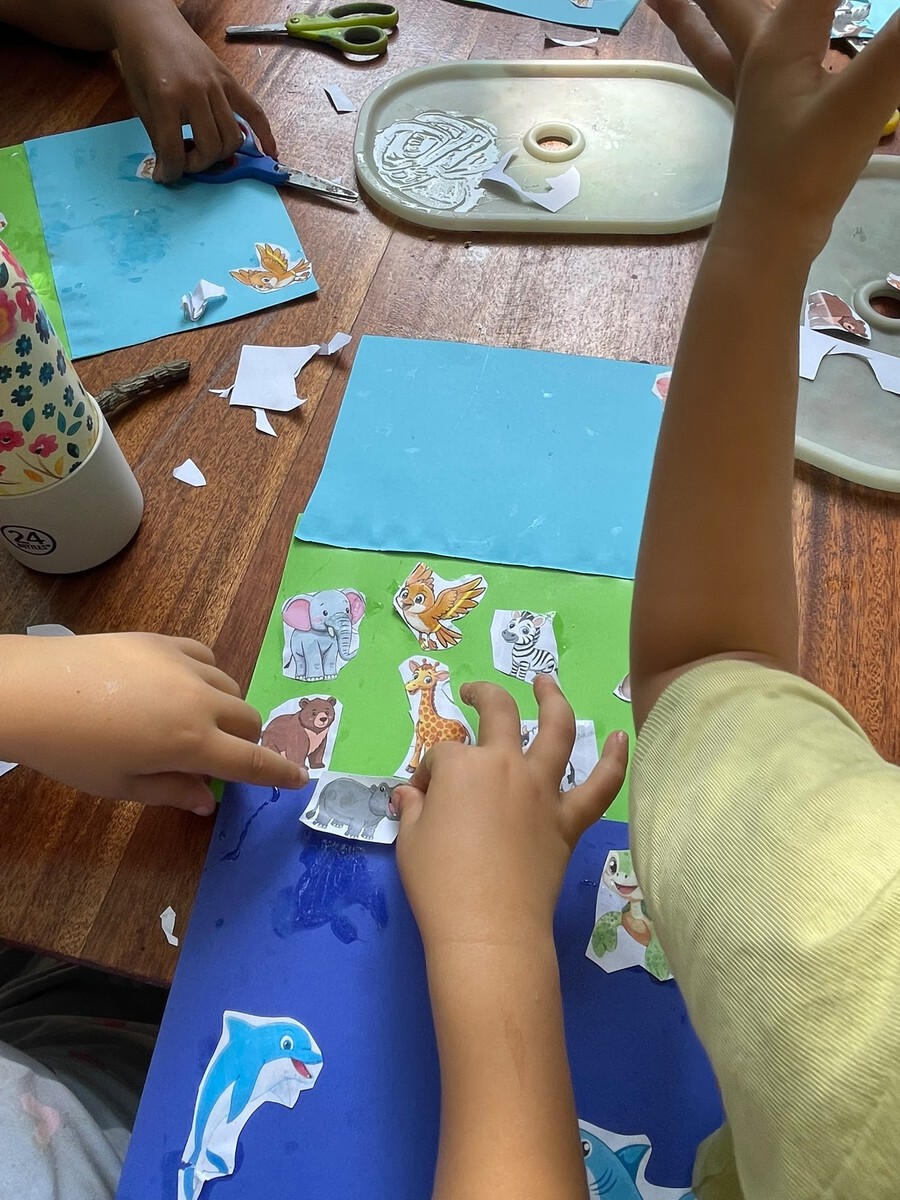
In our Science Club, we explored different animals and their habitats, discovering where animals live and what they need to survive. During Book Club, we discovered the book “Räuber Knatter-Ratter”.
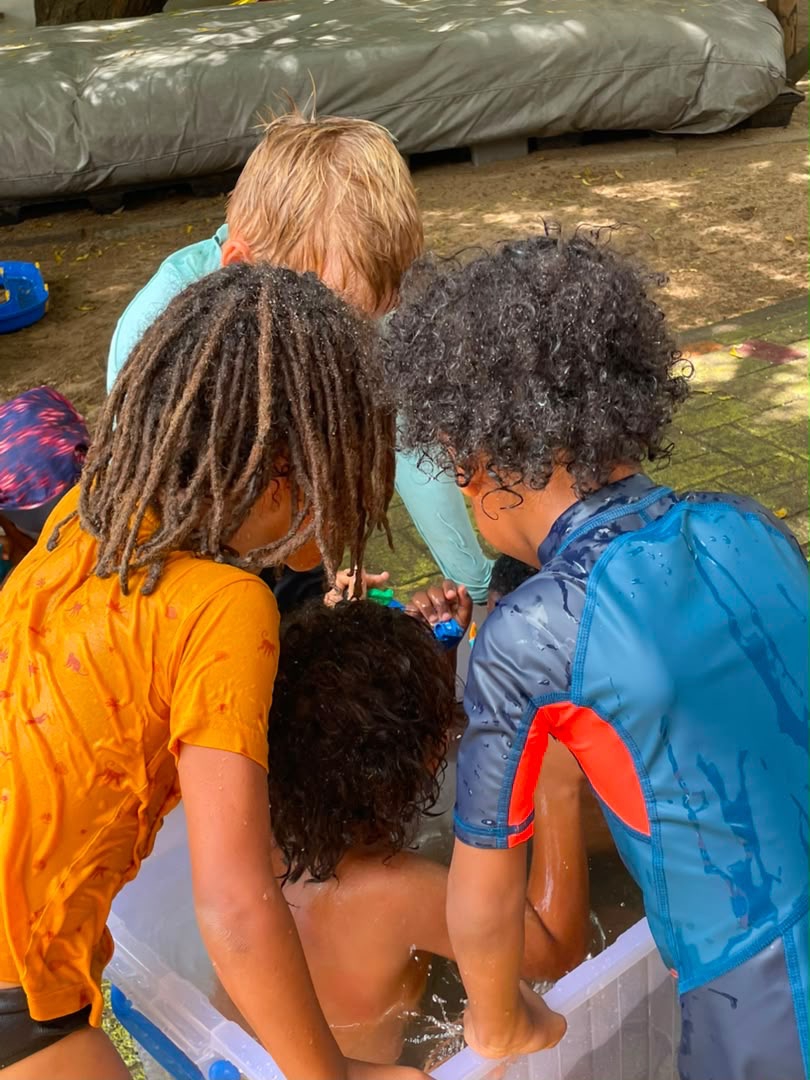
To round off the week, we held our very first Water Day. The children had lots of fun playing different water games, letting off steam and enjoying a refreshing cool-down.
A wonderful week full of traditions, creativity, discovery and water fun!
Primary School
Grade 1/2 – Mathematics, Reading, Programming and Zebra Patterns
Grade 1/2 learned a great deal again this week. In Mathematics, Grade 1 worked on splitting quantities up to 10. The children also practised using the number line and strengthened their understanding of preceding and following numbers. Grade 2 tackled a challenging new topic: step-by-step addition across the tens boundary. The children approached this challenge with confidence and motivation.
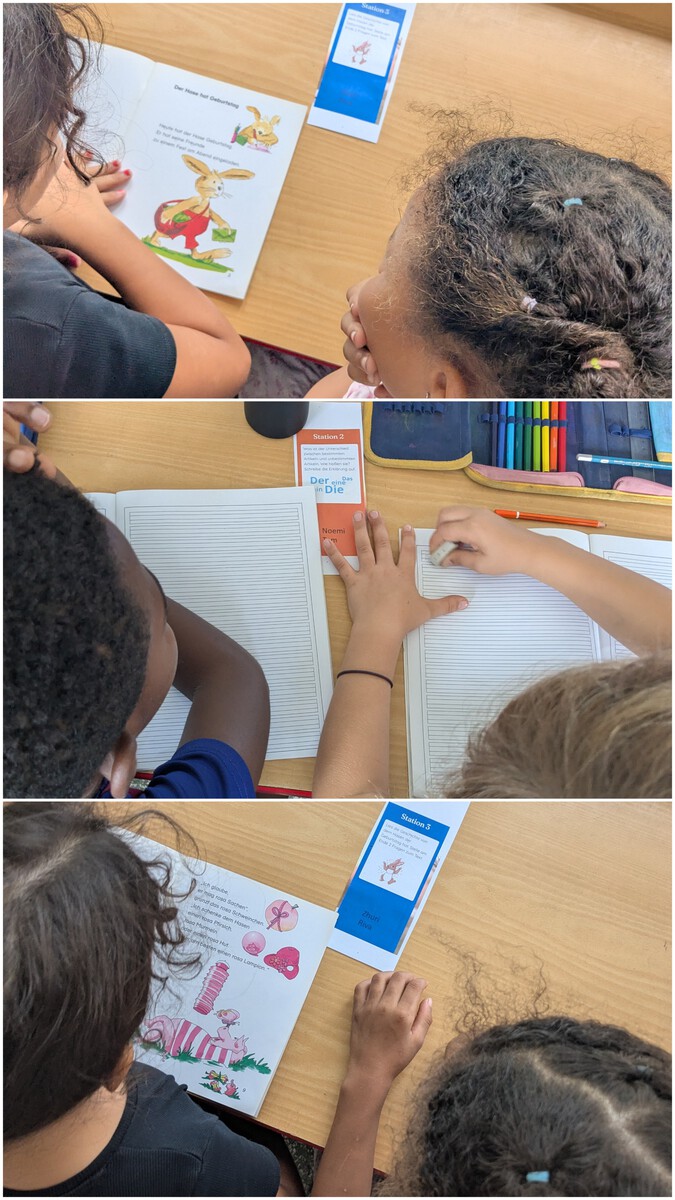
In German, Grade 1 learned the letter P/p. Grade 2 worked at different learning stations focusing on spelling with au, ei and eu, grammar with definite and indefinite articles, and reading. This allowed the children to practise independently and deepen their knowledge.
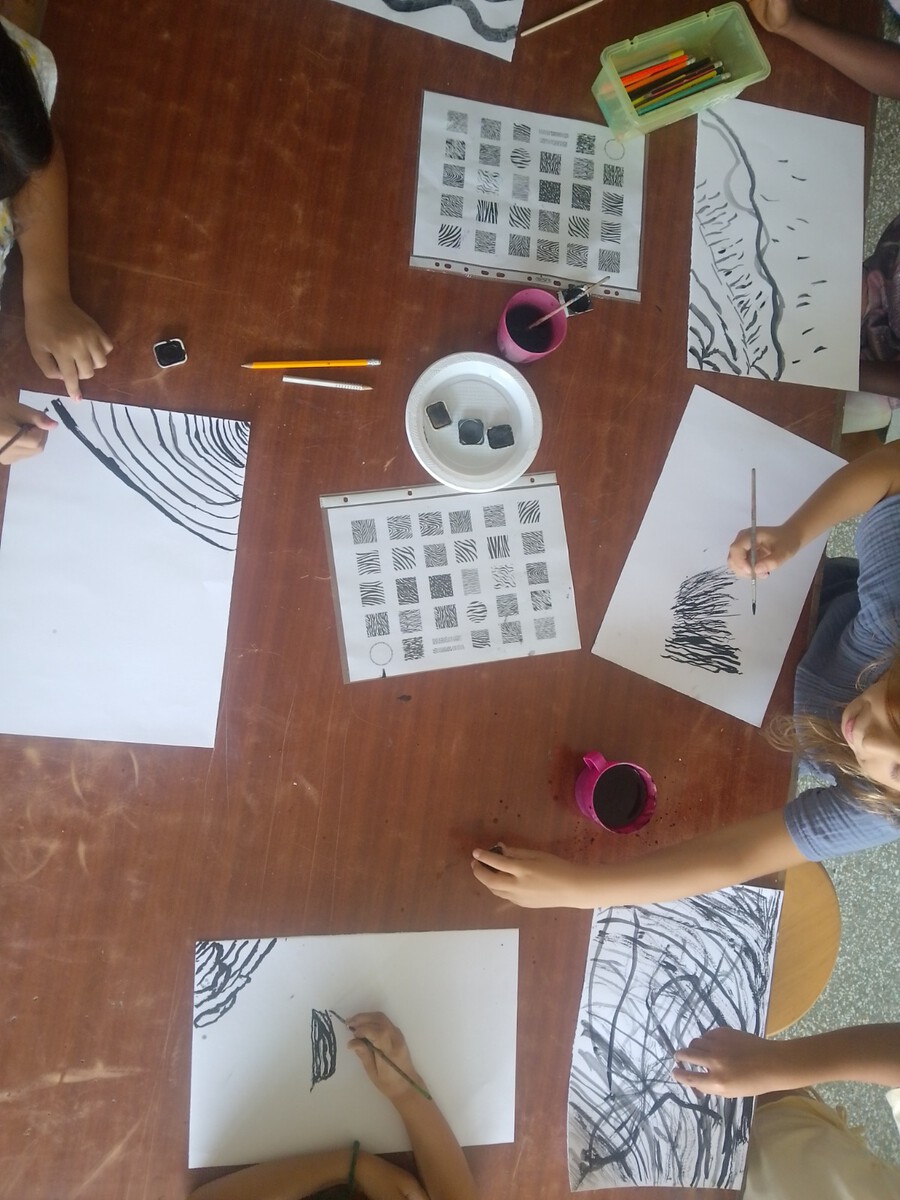
In Art, a mysterious box immediately sparked great curiosity. What could possibly be hidden inside? Through a tiny hole in the lid, the children spotted something familiar: Could that be Quak? Indeed, our green frog had suddenly acquired zebra stripes! As a member of our Zebra Class, he clearly wanted to fit in.
Together with Quak, we set off on a journey of discovery into the world of zebra patterns. The children noticed how different stripes can look: wide or narrow, straight or curved. No two zebras are exactly alike!
In preparation for our planned zebra lanterns for St. Martin after the autumn break, the children then created their own stripe patterns and let their creativity run free.
Now all we need are the lanterns – and soon it will be time to say: “Zebra, zebra, shine so bright, Quak is joining us tonight!”
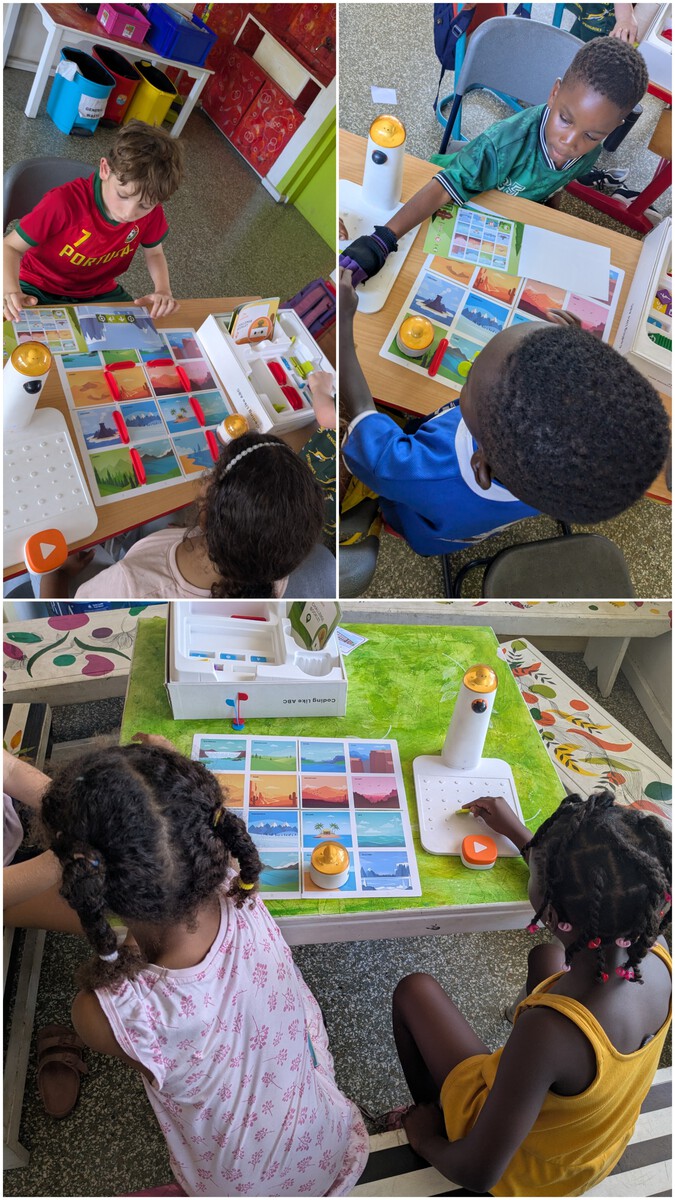
General Studies once again offered an interesting combination of activities. The children continued with programming, this time using even more complex commands. Birdwatching was also on the programme. Unfortunately, we were not particularly lucky this time: apparently most of the birds had already finished work for the day, and only the pigeons were still faithfully on duty. After the holidays, we will try again in the morning. Perhaps we will then meet a few birds offering a little more variety!
Grade 3 – Parts of Speech, Multiplication and Glowing Bees
In German, the children took part in intensive practice of different parts of speech. They deepened their knowledge of nouns, verbs and adjectives, explored their characteristics and assigned words to the correct categories. They also developed their reading comprehension by working with factual texts. Using interesting reports about bats, the students practised identifying specific information and reflecting on what they had read.
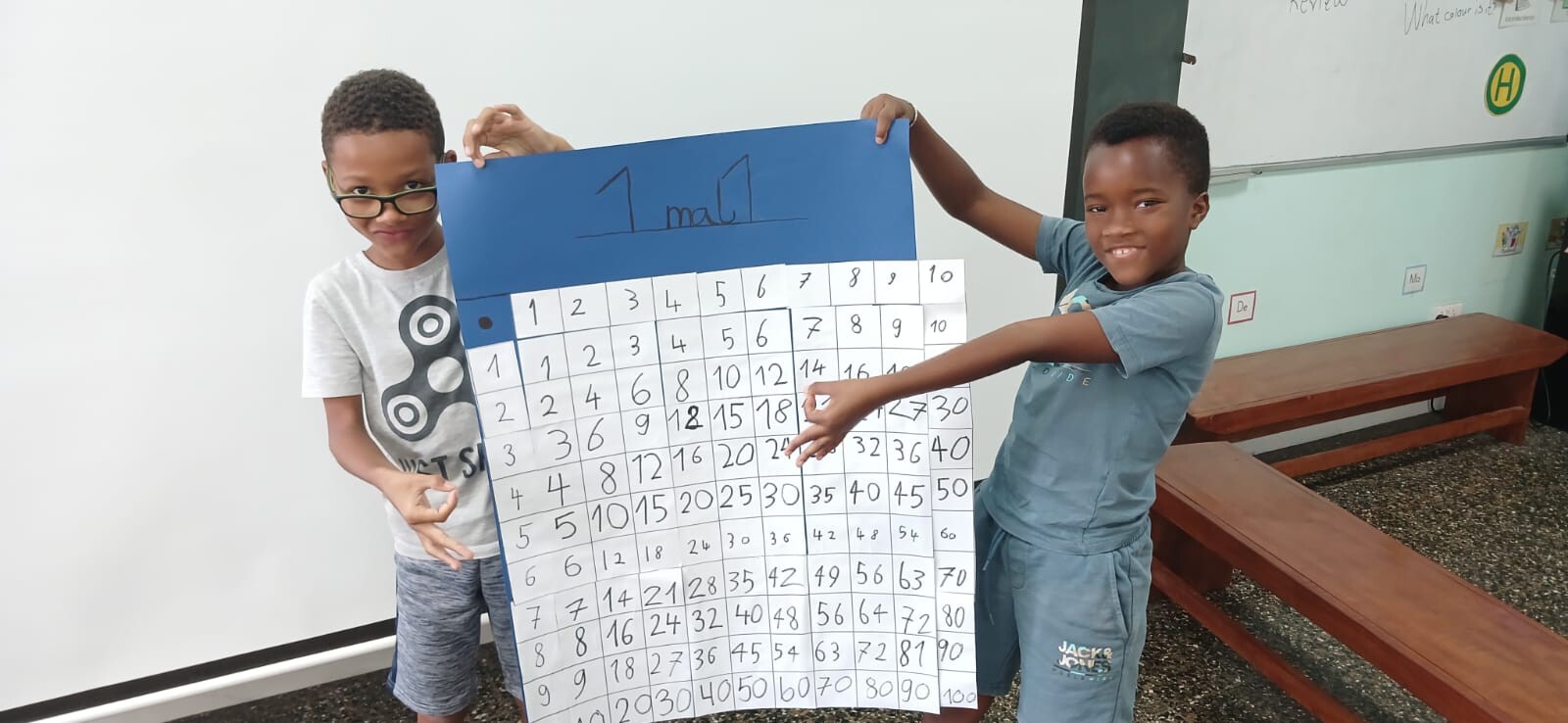
Mathematics also became a journey of discovery. The children created their own multiplication tables and highlighted key facts and square-number facts to identify patterns and structures more easily. With great enthusiasm, they explored strategies for using easier calculations to solve more difficult ones. For example, they worked out together how 7 × 9 can be calculated step by step using familiar multiplication facts.
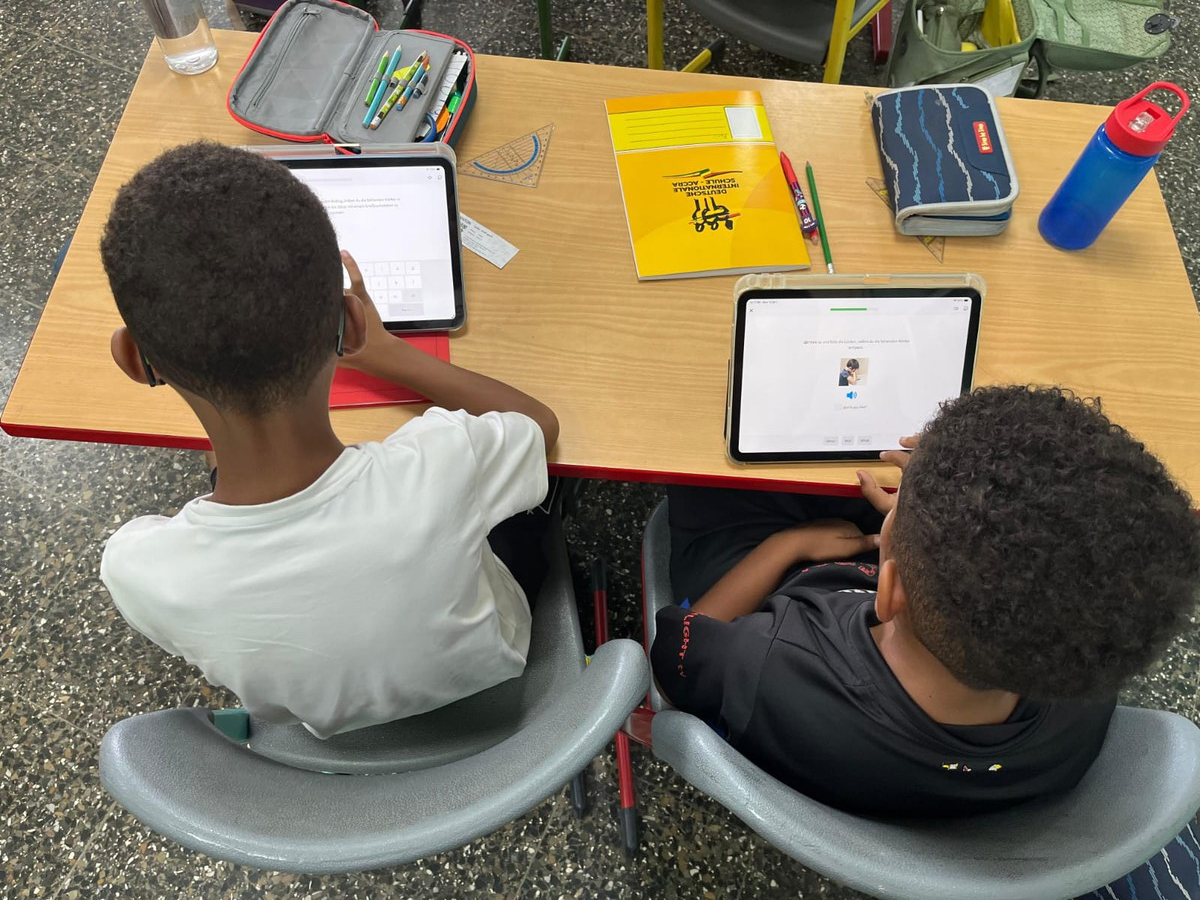
In English, the children continued reading books at their individual language levels. They also used the Anton app to practise important vocabulary fields such as colours and to consolidate sentences about their age and country of origin. These varied exercises helped the students expand their vocabulary and gain confidence in using simple, complete sentences in conversation.
In General Studies, the children continued working on their posters about children’s rights. They discovered how demanding independent research and clear poster design can be. Through mutual support and perseverance, everyone made significant progress.
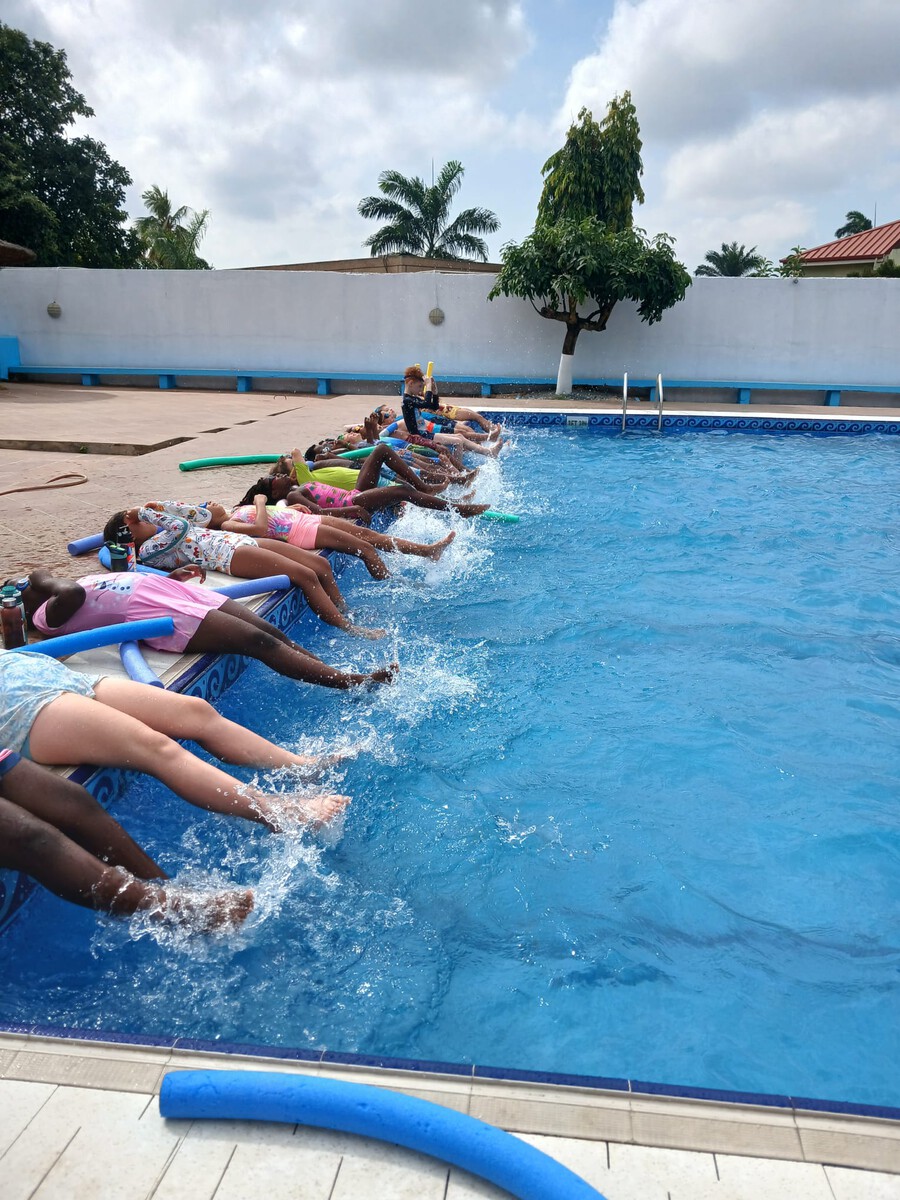
In Swimming, the focus was on stamina training before there was also time to enjoy games in the water together. Basketball brought plenty of movement to PE lessons, with ball skills and teamwork both in demand.
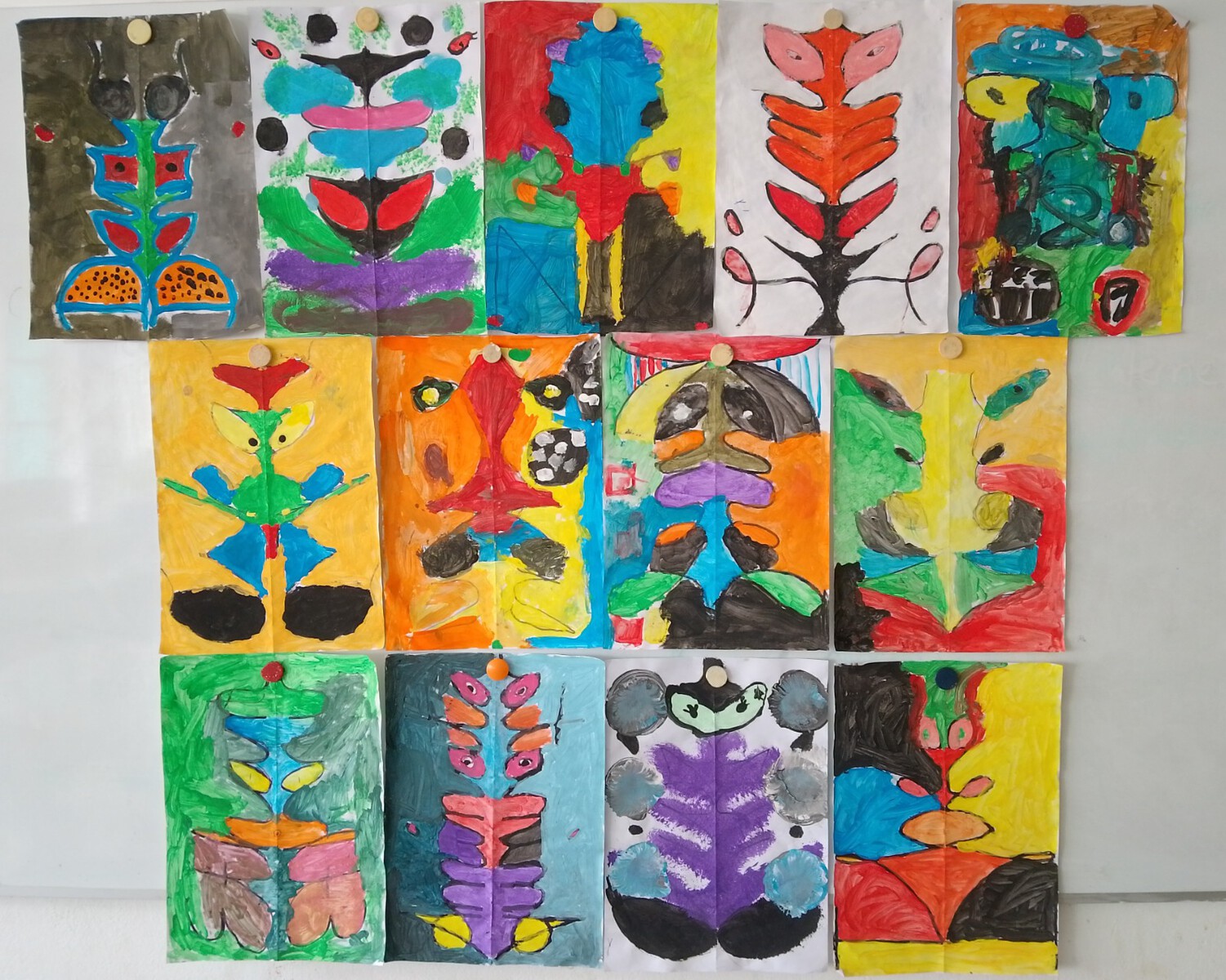
In Art, our aliens are ready for take-off, the rockets are fuelled and the first encounters on distant planets have already been sketched. But now a new mission awaits: the Lantern Festival in November is approaching! As the Bee Class, our class mascot naturally has to be part of the glowing celebrations. Whether as a traditional bee with wings and antennae or as a bee rocket with jet propulsion, the first ideas are already buzzing around. In November, our bees will not only buzz – they will shine brightly too.
Grade 4 – Big Numbers, a Writing Competition and Dinosaur Lanterns
At the beginning of the week in Mathematics, we reviewed the topics covered so far before the children completed their first Mathematics assessment. This brings our first two major units – reviewing important Grade 3 content and extending the number range to 10,000 – to a close. The children were able to show how hard they had worked and practised and could be proud of everything they can already do.
Towards the end of the week, we turned to a new topic: numbers up to 100,000. Together, we are beginning to explore this extended number range and take a closer look at these much larger numbers.
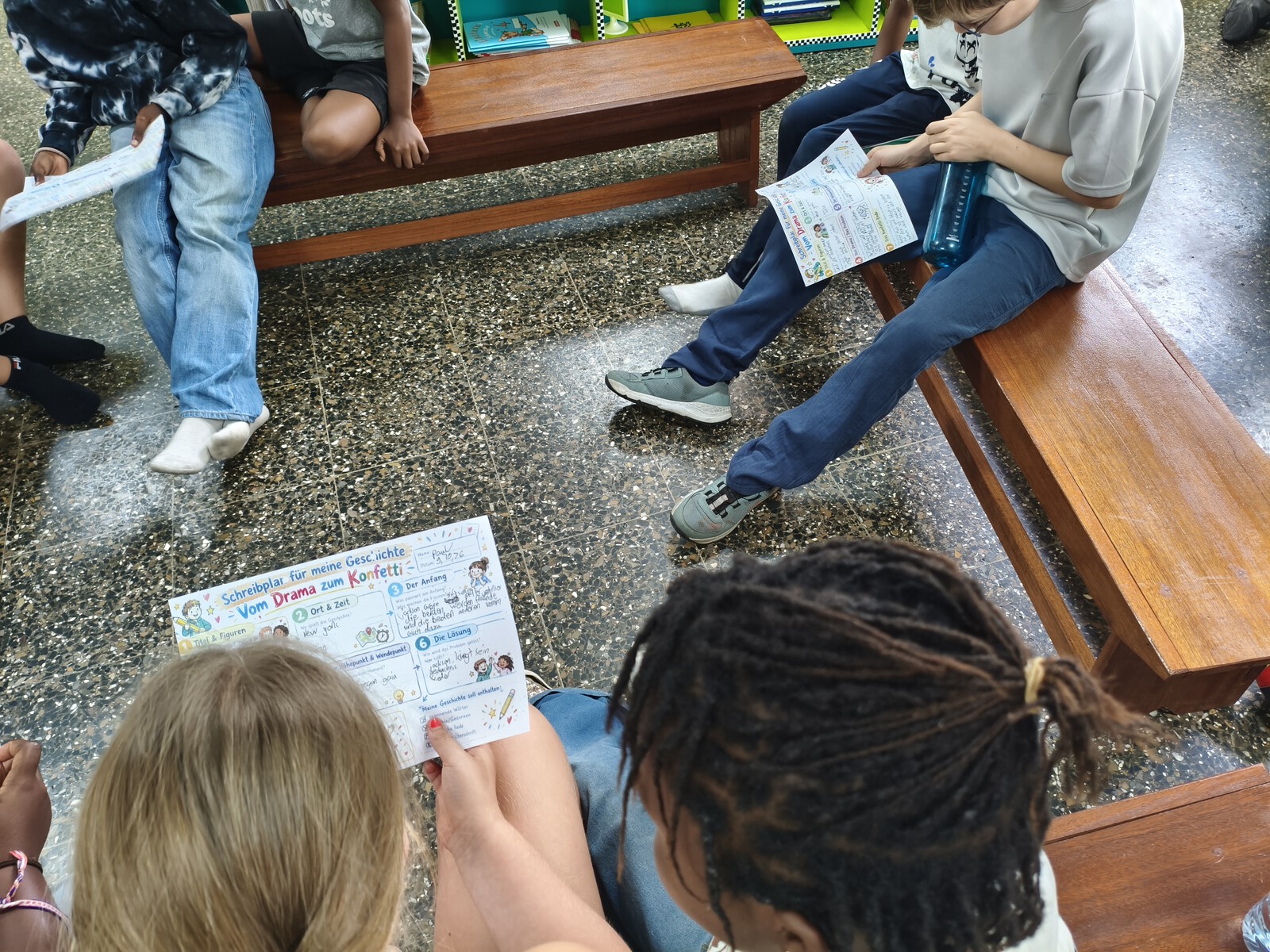
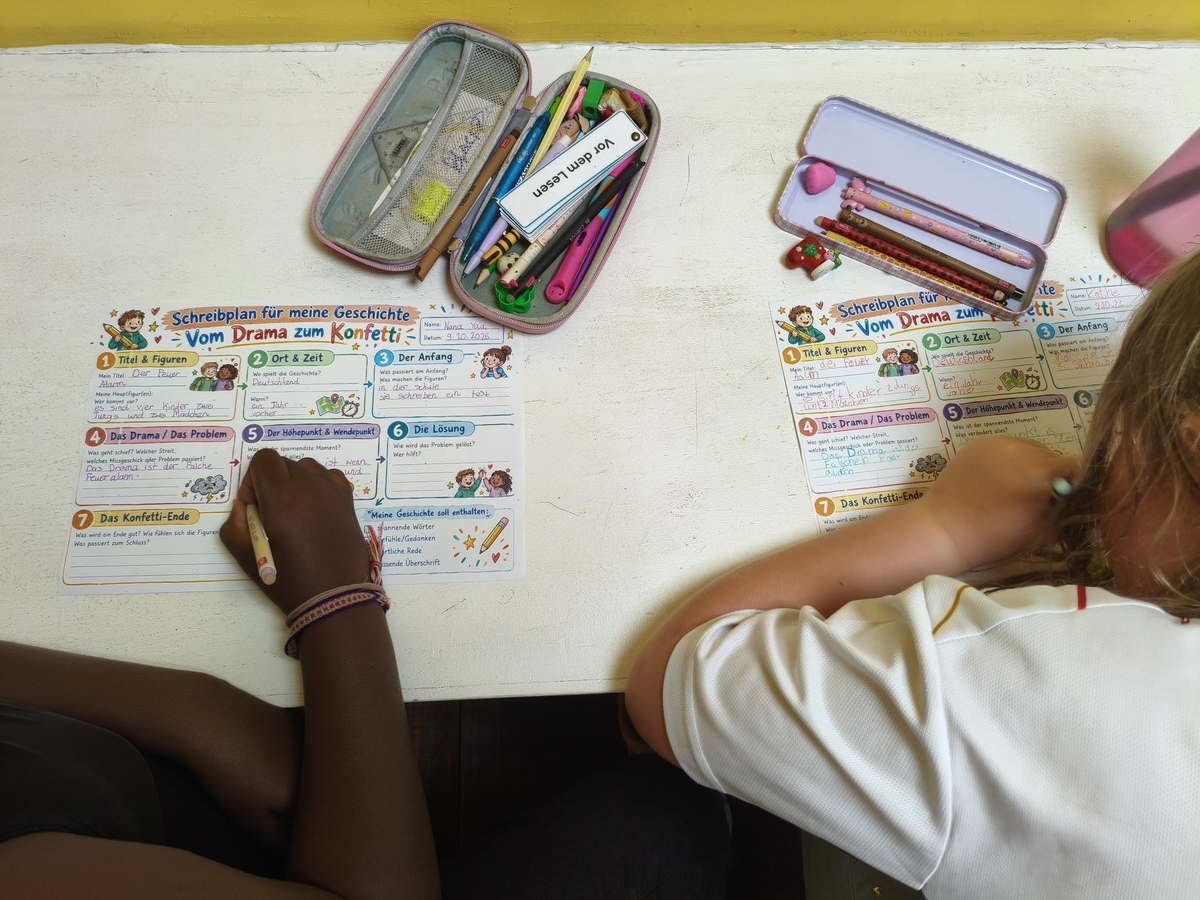
In German, our story for the writing competition was the main focus this week. The children developed their initial ideas further and completed their writing plans individually or with a partner. They then presented their plans to the class and voted together on which one should form the basis of our shared class story.
Afterwards, we collected ideas for exciting creative elements that could make our story particularly interesting. Equipped with plenty of imaginative ideas, we finally began writing the story together. We are excited to see where it will take us!
In General Studies, the children continued working in their mixed Grade 3 and 4 groups on posters about children’s rights. They researched information, summarised the most important points and designed their posters creatively. Alongside learning about children’s rights, teamwork and developing and implementing ideas together were key aspects of the activity.
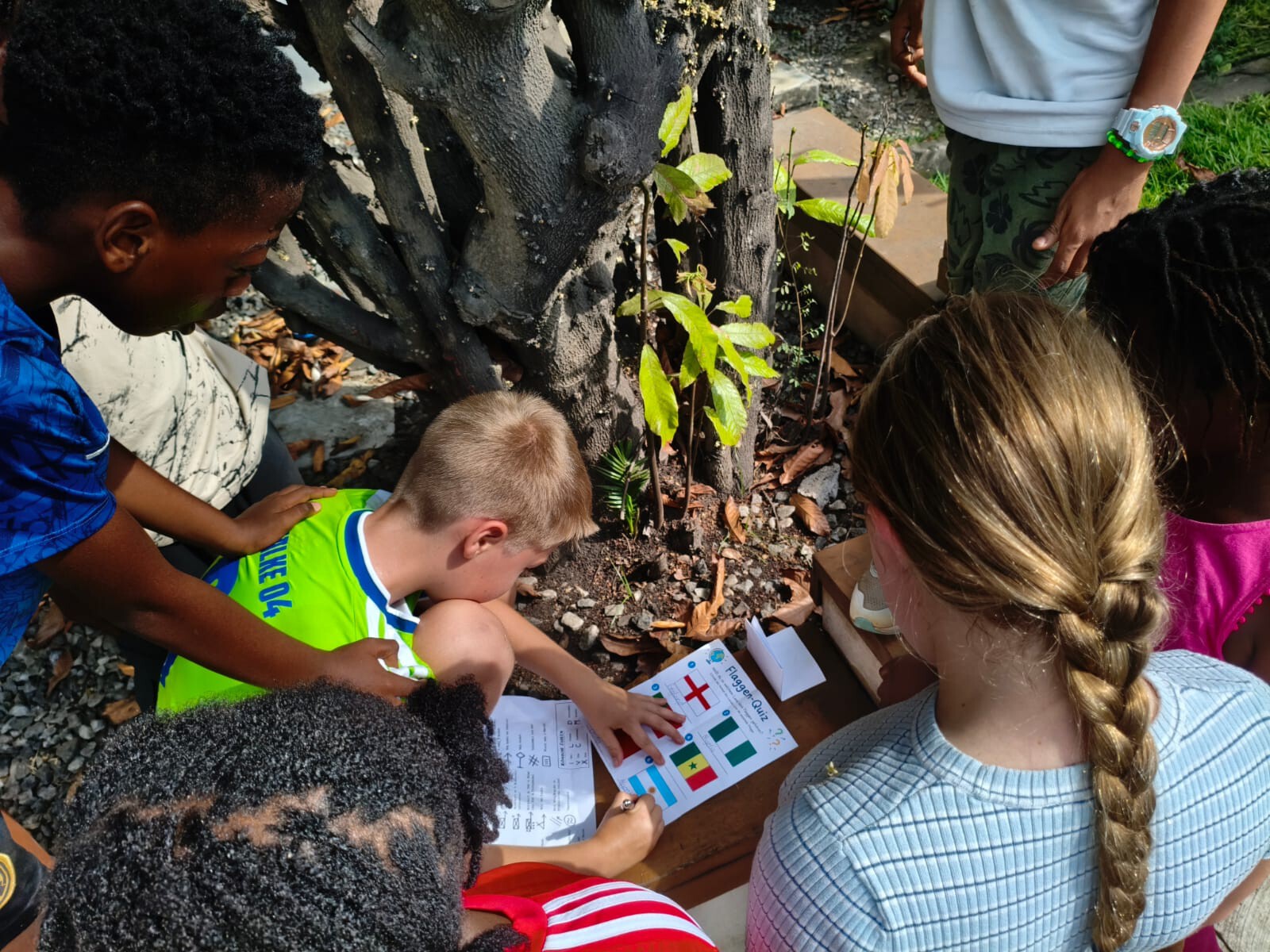
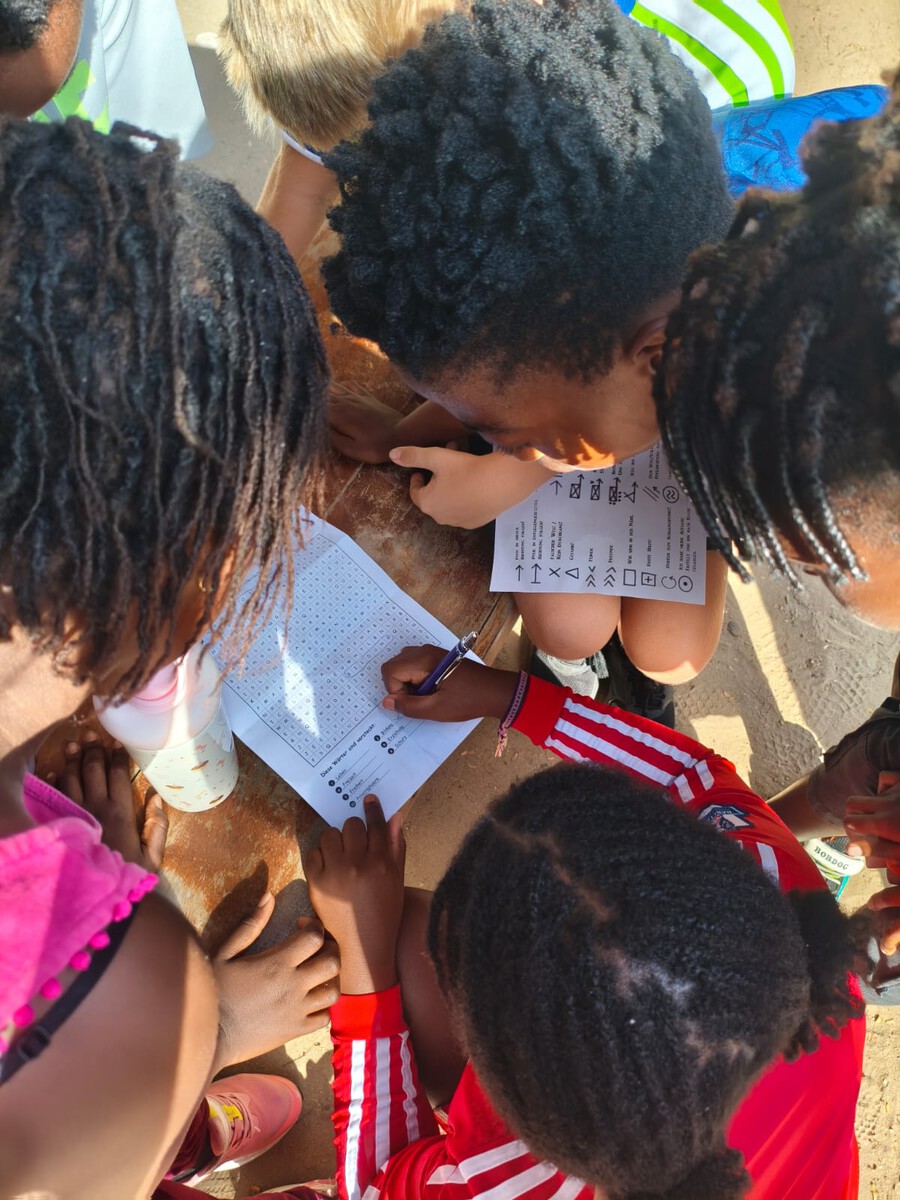
To round off the week, the children enjoyed a treasure hunt in the playground. They had earned this by diligently collecting stars for achieving their weekly goals. The different challenges required thinking skills, teamwork and a good eye: the children solved Sudoku puzzles and multiplication problems, searched for words related to children’s rights in a word search, spotted particular colours and counted objects around the playground. They worked brilliantly as a team, supported one another and successfully completed the challenges. And, of course, they found the treasure in the end!
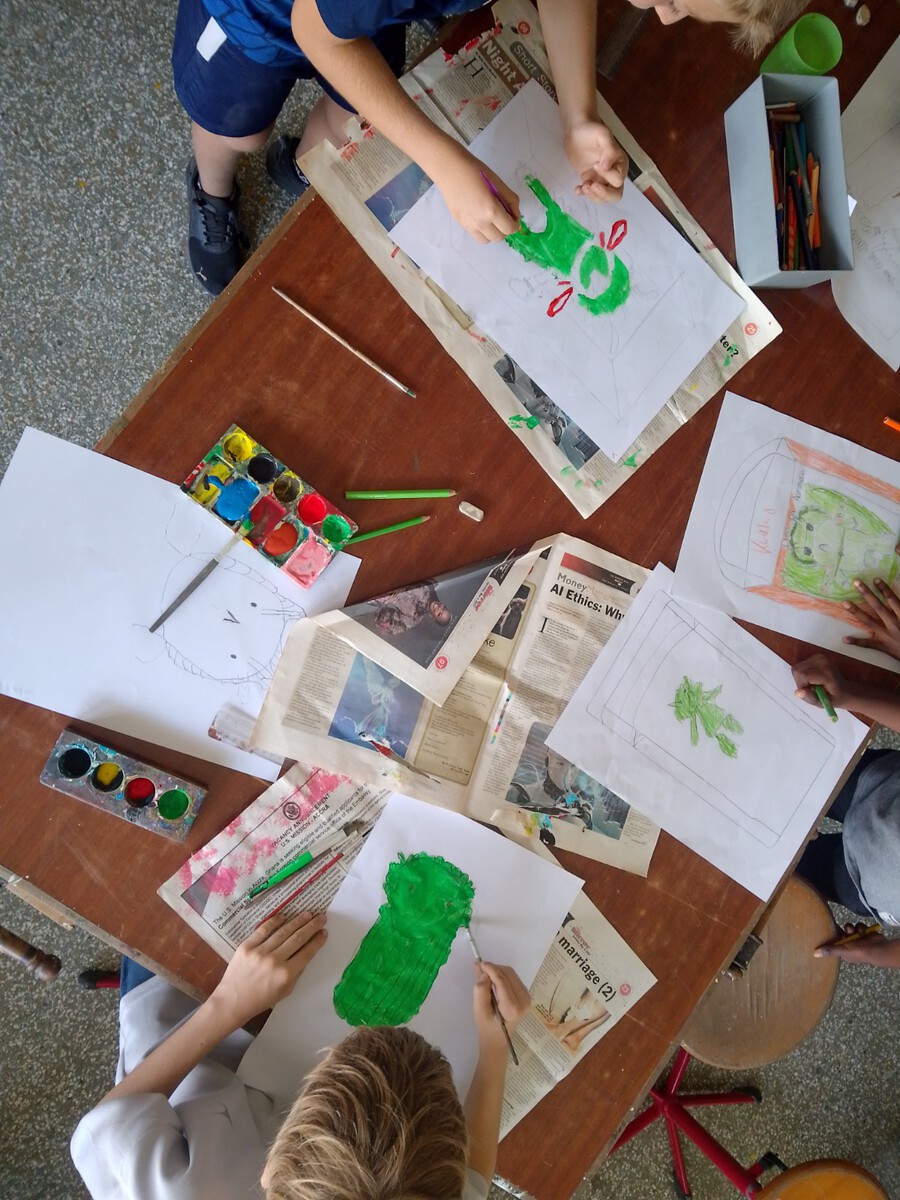
What do dinosaurs have to do with St. Martin? Not very much – at least until now. In Art, with our St. Martin’s procession in November in mind, we began thinking about our lantern designs. And who could possibly be left out? Dino, our class mascot! After all, a dinosaur makes an excellent model – even if it has probably never carried a lantern before.
The decision was quickly made: we are making dinosaur lanterns. Then the real thinking began. How can we give Dino his long neck, short arms and big belly? And how can we make him glow without the whole thing falling apart?
Ideas were discussed, sketched, reconsidered and sometimes discarded completely. Plenty of imaginative designs emerged along the way.
Our conclusion: dinosaurs may have been extinct for a very long time – but in November they will make a glowing comeback at GISA.
In English, the students continued their reading lessons by exploring different texts. They practised identifying the main idea and important details so that they could answer questions in full sentences. Alongside reading, they revised the alphabet using the Anton app. An alphabet memory game made the practice fun and kept everyone actively involved.
Secondary School
Secondary Project Time – Experiencing Migration: Stories That Move Us
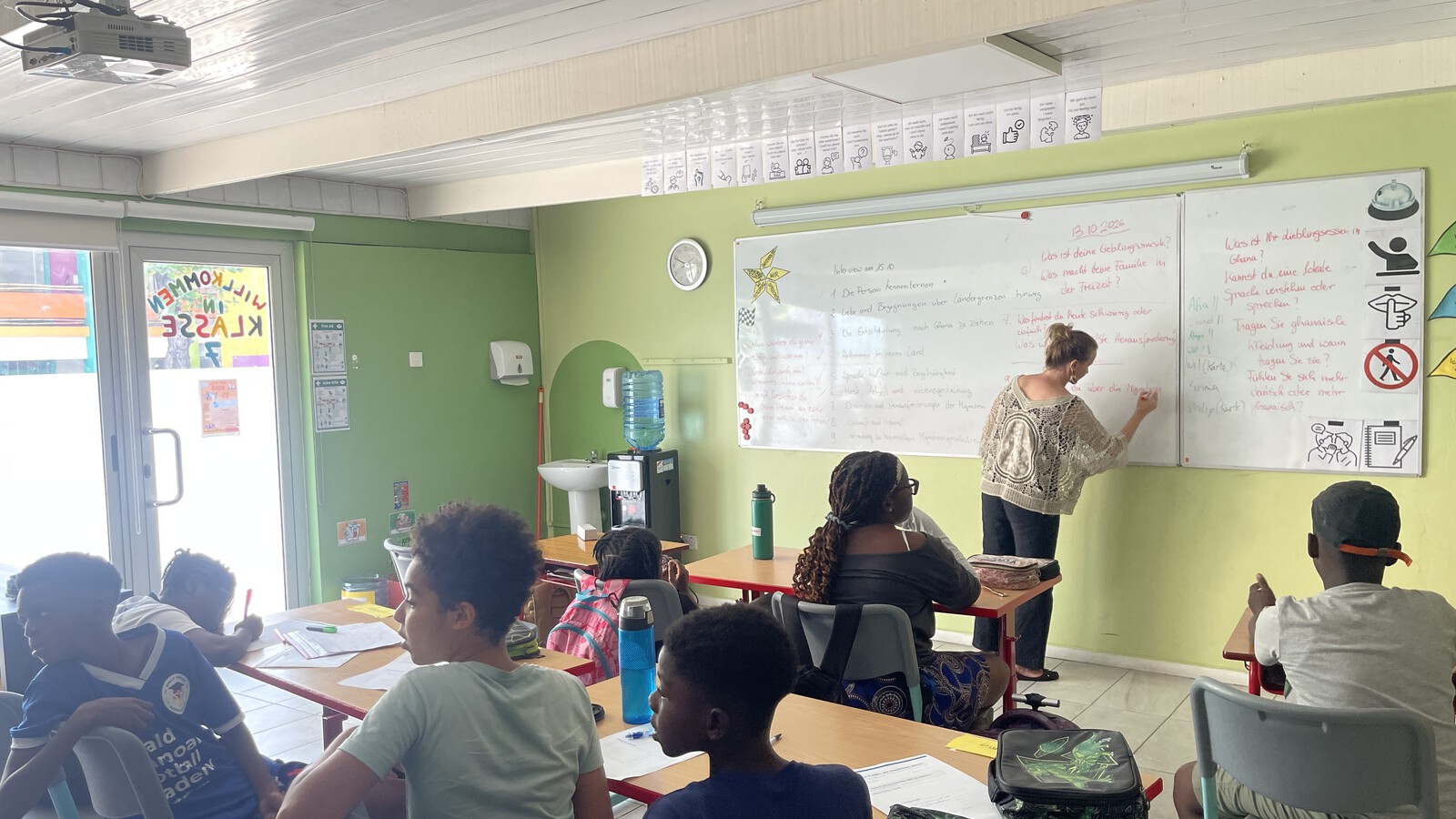 During Secondary School project time, students are exploring different migration stories and personal experiences between countries and cultures. A particularly memorable moment this week was the visit of Judith Doe, who shared her own experiences of living between Germany and Ghana.
➡️ Read more: Experiencing Migration – Stories That Move Us
Grade 5 – Puzzles, Research, Creativity and Discovery
In Mathematics, the students worked with bracket rules and mathematical laws, particularly the associative and commutative laws. They learned how calculations can be simplified and solved more efficiently. The highlight of the week was our Breakout Room! In small teams, the students tackled exciting puzzles involving natural numbers. With great enthusiasm, teamwork and logical thinking, they searched for solutions together and put their mathematical skills to the test.
In Ethics, friendship was the central topic. Together, we read a story about two friends who had fallen out. The students then explored ways in which conflicts can be resolved. They recorded their ideas in dialogues they wrote themselves: How could the two friends reconcile? Could they find their way back to their friendship? The activity made clear how important it is to talk to one another, listen carefully and show understanding.
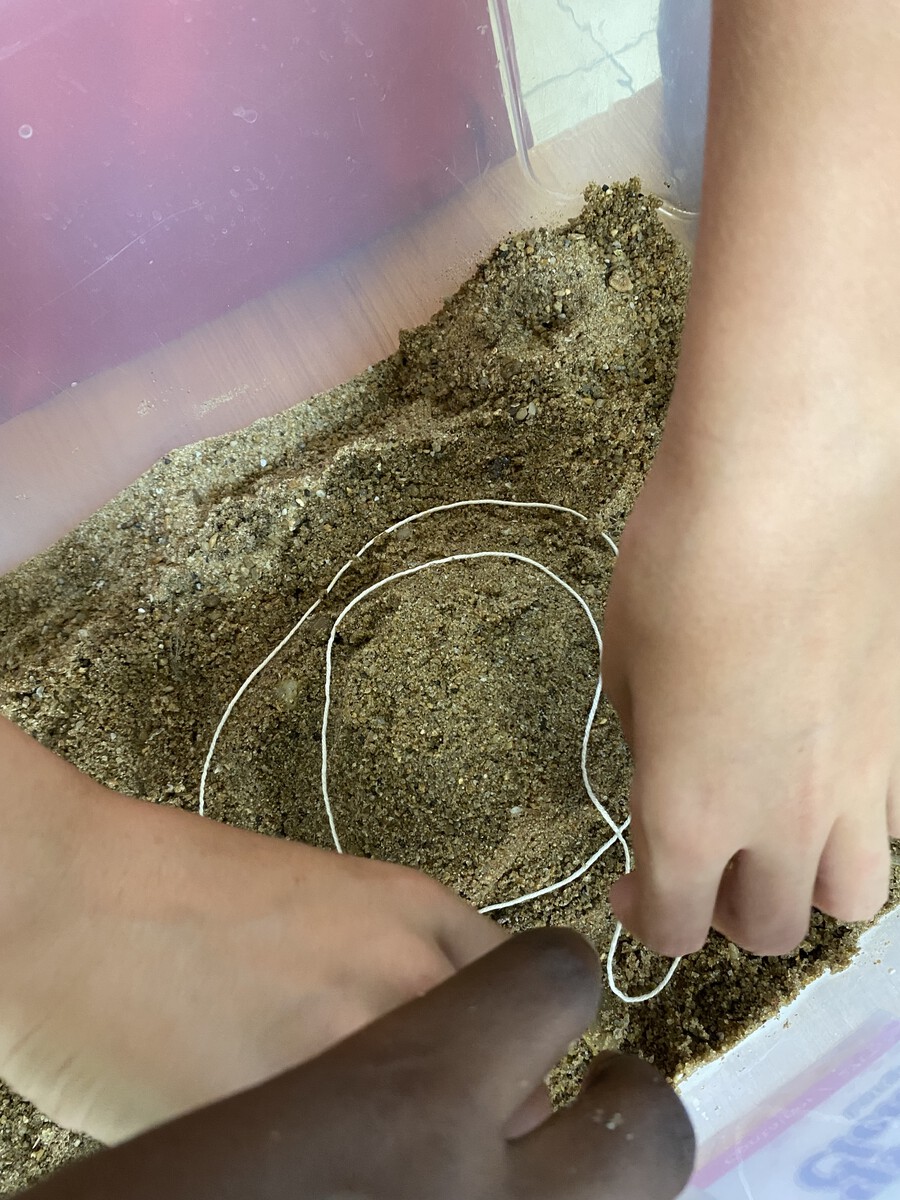
In Geography, the students explored scale and the representation of mountains in an atlas. How can a three-dimensional mountain be shown on a two-dimensional map? To investigate this question, the students became creative themselves. They built a mountain model out of sand and used wool to mark the contour lines. This allowed them to see clearly how contour lines represent the shape of a mountain. They then practised reading elevation zones in the atlas and developed a better understanding of how landscapes are represented on maps. The practical work made the topic tangible and easier to understand.
In PE, throwing and playing together were on the programme. The students practised long-distance throwing and worked on their throwing technique and coordination. Different games also provided plenty of movement, variety and fun. Alongside skill and stamina, fairness, consideration and teamwork were important too.
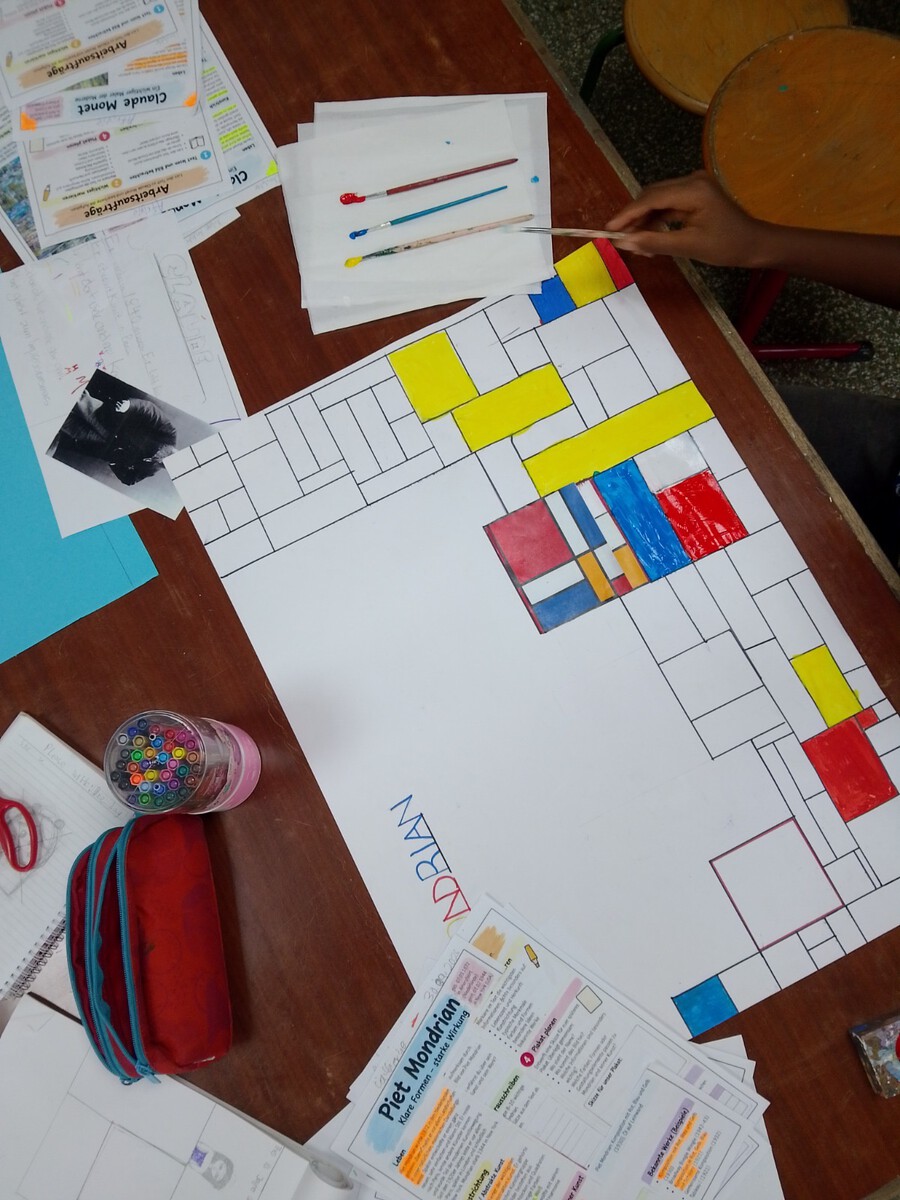
After taking a closer look at Picasso, Kandinsky & Co. the previous week, carrying out research and creating initial poster designs, the students continued their Art work with full commitment.
In our small art workshops, there was drawing, writing, gluing, improving and occasionally starting all over again. After all, the posters are not only supposed to be informative – they should also be real eye-catchers.
But a great poster alone is not enough. The presentations also need preparation! Who will say what? Which exciting facts absolutely must be included? And how can we inspire our audience?
Heads were working hard, pencils were flying and our young art experts continued refining their masterpieces. Picasso & Co. had better prepare themselves for some strong competition.
In Biology, we reviewed the structure of flowering plants, with a particular focus on the flower and its different parts, including many terms that were still new to the students. Images of flowers found around the school grounds were shown on the projector.
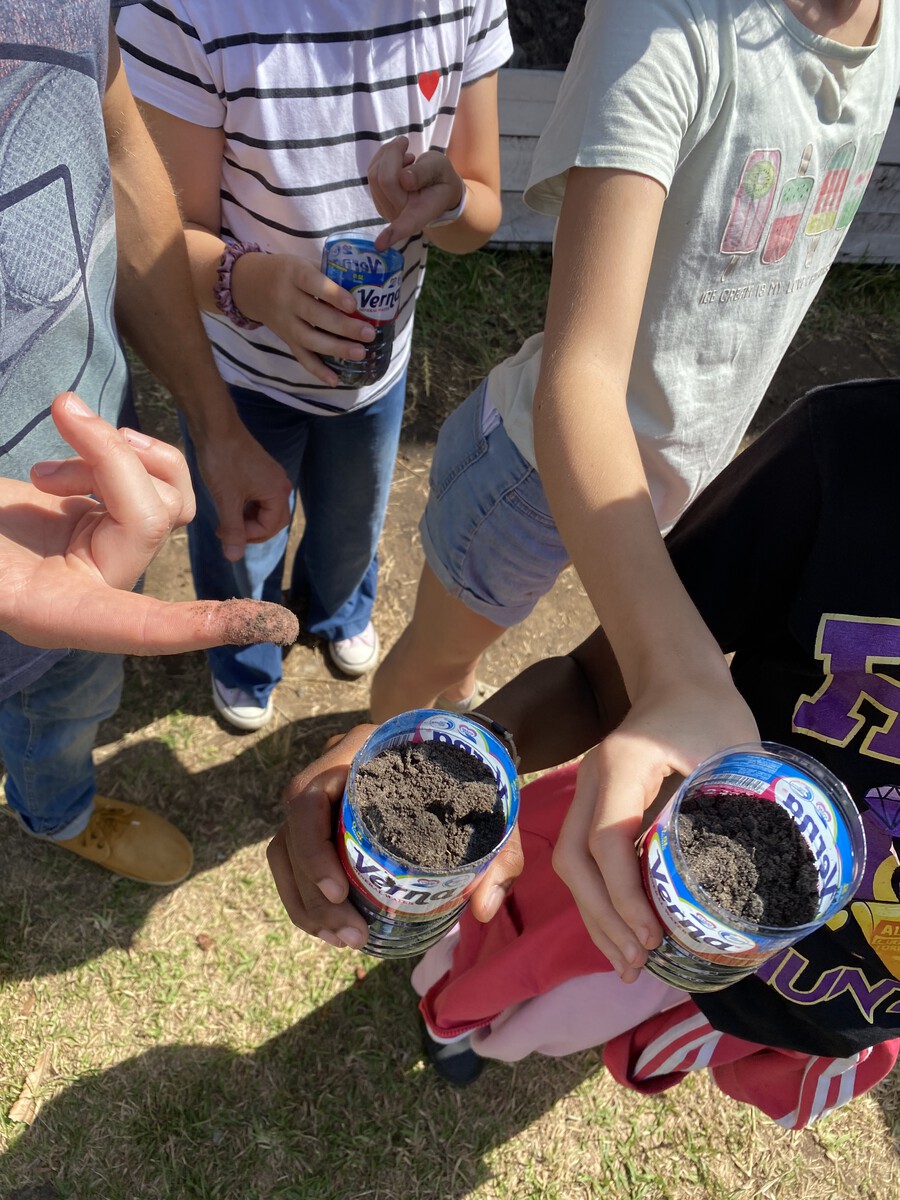
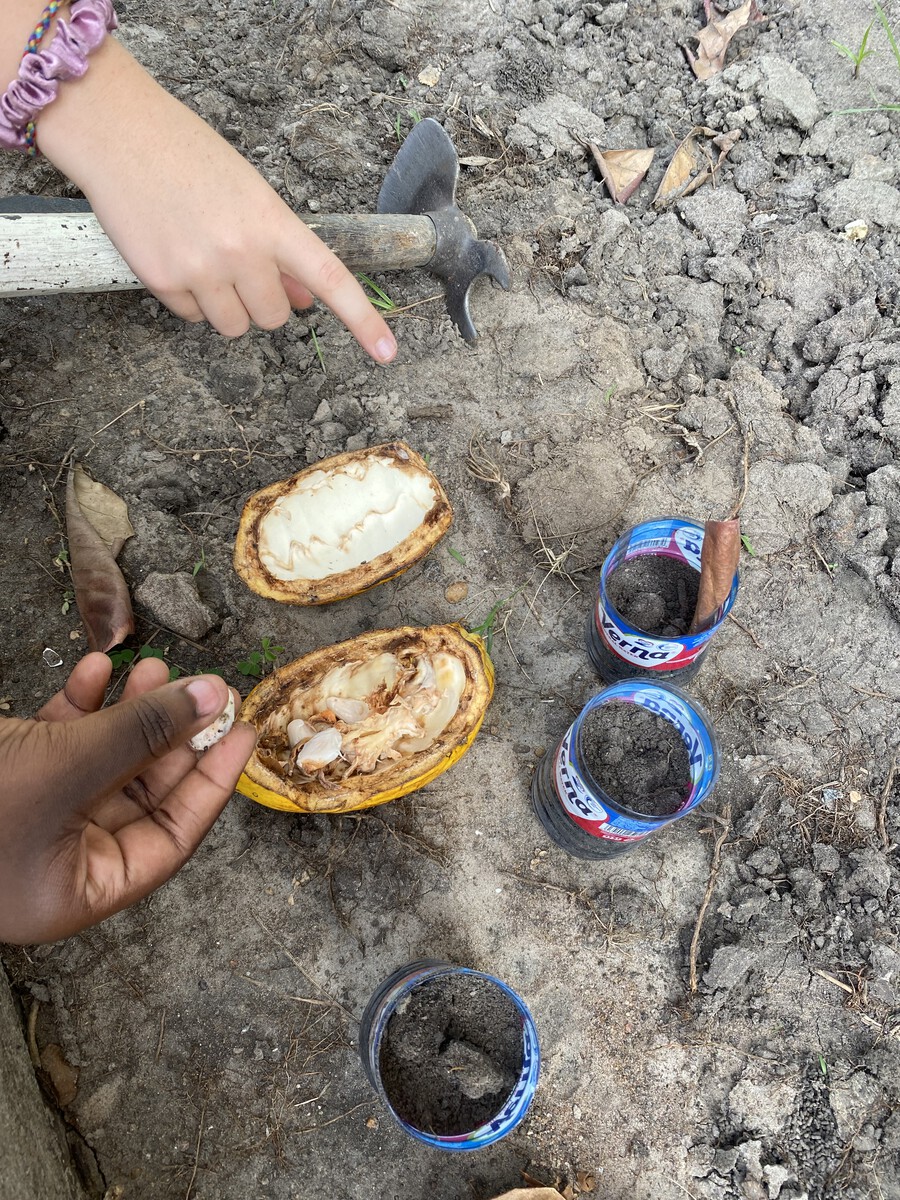
After the holidays, the class will complete a short test on this topic. To show the students what can eventually develop from a flower, we also planted cocoa seeds. We will observe their germination and development over the coming weeks.
In French, the students practised creating their own sentences using a subject, verb and adjective. They then prepared short presentations in which they introduced themselves and described themselves using suitable French adjectives. This encouraged them to think about their own characteristics while expanding their vocabulary in a playful way. The students were able to apply their language skills and gain confidence in forming their own sentences.
In History, the students explored the world of Ancient Greece through different learning stations. They discovered important aspects of life in antiquity, deepened their historical knowledge and completed a variety of tasks in pairs.
Grade 6 – Arguing, Researching and Discovering History
In German, Grade 6 focused on writing and presenting opinions. Using thought-provoking questions such as “Should parents be allowed to check their children’s phones?”, the students took part in lively discussions and debates. They are learning not only to express their own opinions orally, but also to present them clearly and convincingly in writing.
In Biology, we reviewed the structure of flowering plants, with a particular focus on the flower and its different parts, including many terms that were still new to the students. Images of flowers found around the school grounds were shown on the projector.
After the holidays, we will complete a short test on the topic. To demonstrate what can eventually develop from a flower, we also planted cocoa seeds and will monitor their germination over the coming weeks.
In Ethics, we are continuing to work diligently on our “Happiness Booklets”. The various results, thoughts and insights from the past few weeks are gradually being brought together. After the holidays, we hope to design the final pages and complete our booklets.
In History, independent learning at stations focusing on Ancient Greece was at the centre of the lessons. The students deepened their understanding of historical connections, exchanged their findings and practised comparing information and presenting their results clearly.
German as a Foreign Language Grade 5/6 – Making Progress in German with Plenty of Poetry Along the Way
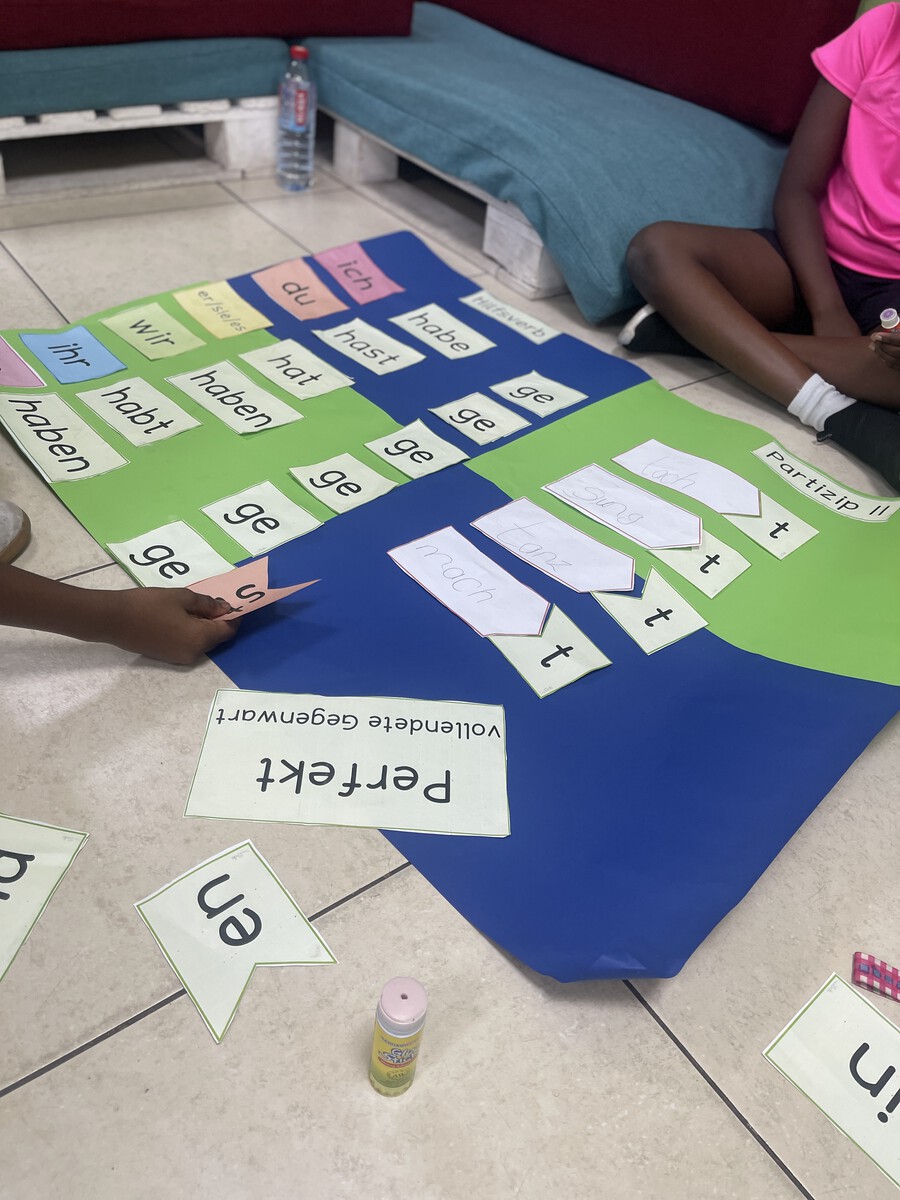 Question-and-answer rounds, grammar, learning posters and preparations for the upcoming Cultural Festival shaped this week’s German as a Foreign Language lessons. At the same time, the group also said goodbye to intern Patience Amankwah.
➡️ Read more: Making Progress in German with Plenty of Poetry Along the Way
Grade 7 – Theatre, Breakout Rooms, Ocean Worlds and Strong Ideas
There was once again plenty happening in Grade 7 this week. Even though the well-earned one-week break was already in sight, we certainly did not put our feet up. Quite the opposite: we were creative, adventurous, helpful and even dived into the depths of the ocean.
Curtain up and stage ready! That was our motto in German. Using different images, we explored the fascinating world of theatre and discovered what happens on, behind and in front of the stage. We took a closer look at a wide range of theatre-related vocabulary, explored the meaning of the terms and matched them with suitable definitions. Of course, there was also time to share our own theatre experiences. Will we perhaps be taking to the stage ourselves soon? We certainly seem to have what it takes for a big performance.
Brainpower, initiative and a healthy dose of puzzle-solving enthusiasm were required in Mathematics. Using small learning modules, we worked step by step on expanding and dividing algebraic expressions. Working independently and at our own pace, we made our way through brackets, variables and calculation rules.
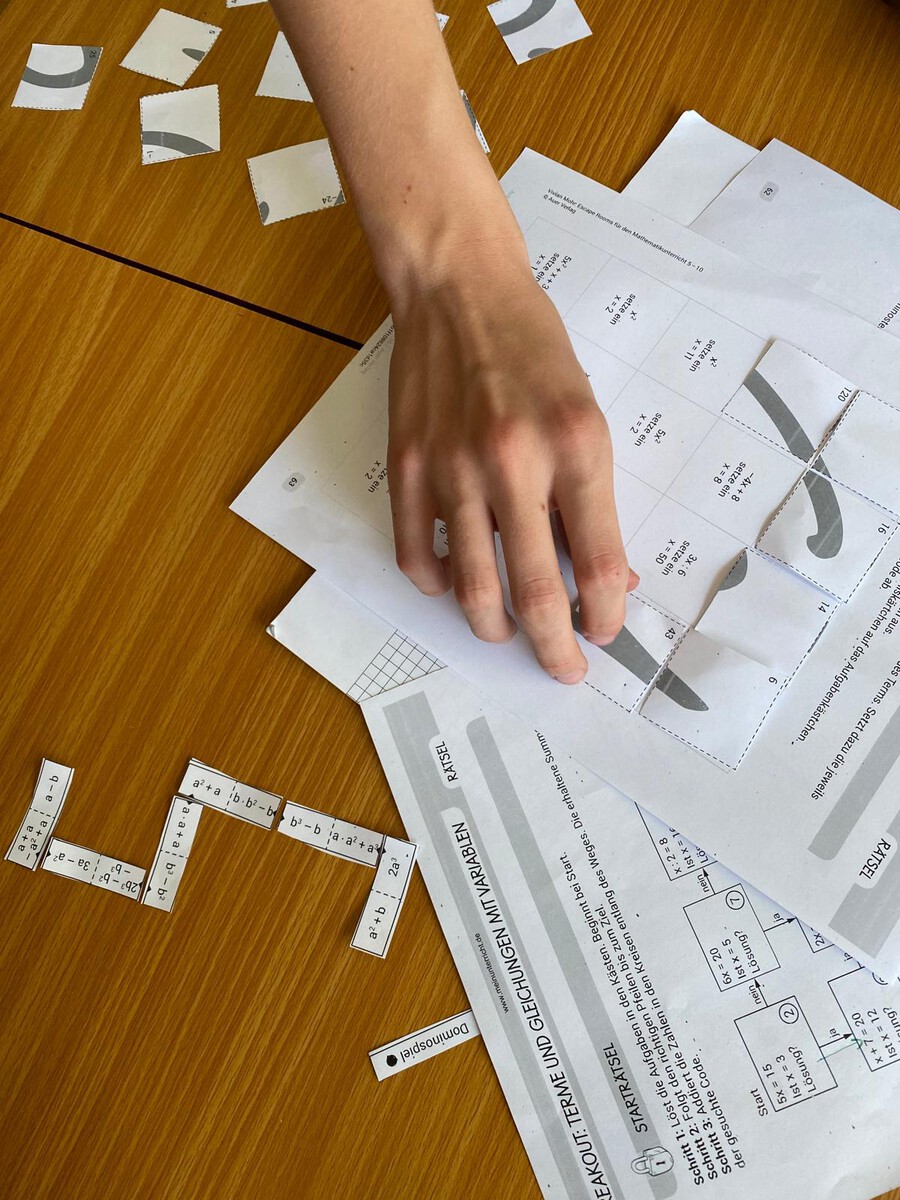
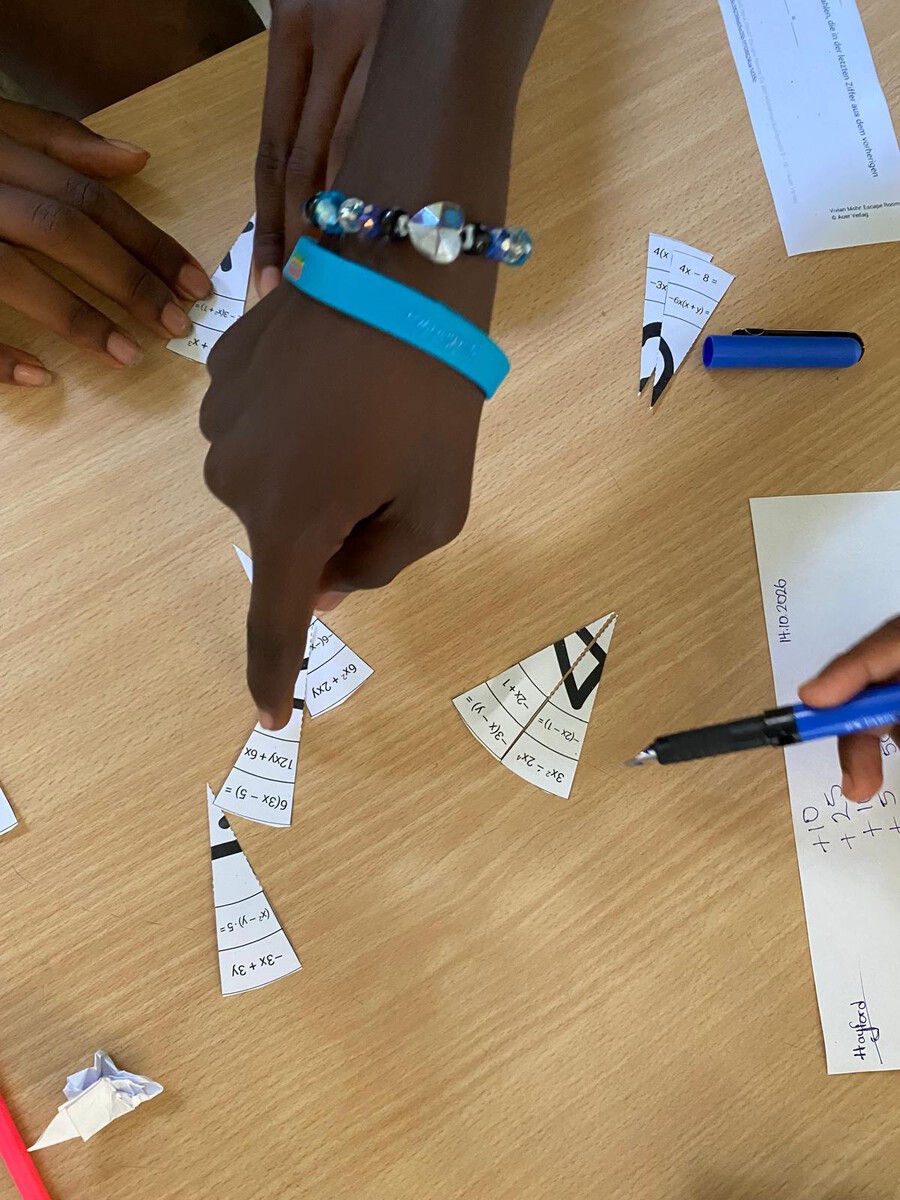
Then things became really exciting: our Breakout Room was waiting. In small teams, we cracked challenging puzzles involving expressions and equations. Alongside mathematical knowledge and logical thinking, we needed creativity, teamwork and perseverance. Together, we puzzled, discussed, combined ideas and helped one another find the right path. Who would have thought that a few innocent-looking letters and numbers could contain so much excitement?
Looking for adventure? We found stories. In English, we became real storytellers. After Grade 8 had introduced us to the different sentence types in their presentation, we began writing our own adventure stories. Using the plot plans we had already developed, we considered how our stories should begin, which exciting events should happen in the middle and what the grand finale should look like. Different sentence types helped us make our texts more varied and engaging. After all, nobody should fall asleep from boredom during our adventures.
Small words, big impact. We discovered this in French while working with adjectives and possessive determiners. How can we describe people and objects more precisely? And how do we explain who something belongs to? Mon, ma, mes may sound simple at first, but French has a few details to keep in mind.
Using different exercises and practical examples, we found out how adjectives change according to the gender and number of nouns and how to use possessive determiners correctly. Gradually, our French sentences became more precise, varied and expressive. Très compliqué? Mais non! With every exercise, we gained greater confidence in creating our own sentences.
Watch out – eight-armed sea creatures approaching! In Biology, we dived particularly deep this time – beneath the surface of the ocean. Our journey through the world of invertebrates introduced us to two fascinating members of the mollusc family: octopuses and the giant squid.
Two impressive presentations taught us plenty of surprising facts about these extraordinary marine creatures. Eight arms, enormous eyes and astonishing abilities – there was plenty to marvel at. Afterwards, we took a closer look at the presentations and provided constructive feedback. After all, we not only want to learn interesting things, but also become increasingly confident presenters.
Do we need superpowers to help other people? This was the question we explored in Ethics, where helping others remained our central topic. Together, we considered why this value is so important for living together and how we can put it into practice both at school and beyond. One thing quickly became clear: it does not always have to be a heroic act. Sometimes a helping hand, a kind word or a little attention can already make a difference.
Social Learning: Grade 7 and Chance for Children
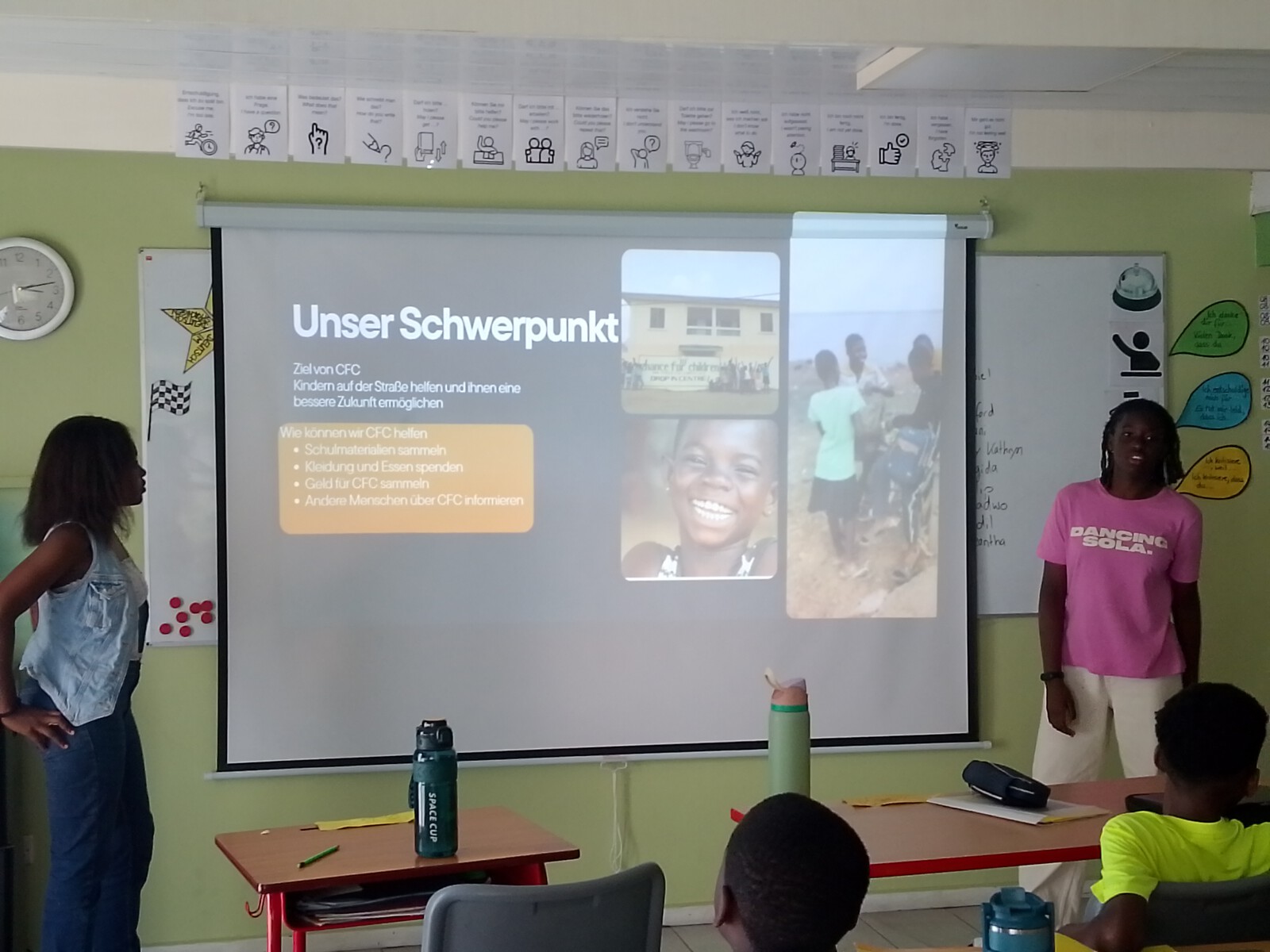 As part of their project workshop with Chance for Children, Grade 7 is developing its own ideas for the future of the partnership. Students are increasingly taking responsibility themselves, combining social learning with teamwork, democratic participation and social engagement.
German as a Foreign Language Grade 7/8 – Discovering Language and Creating Poetry
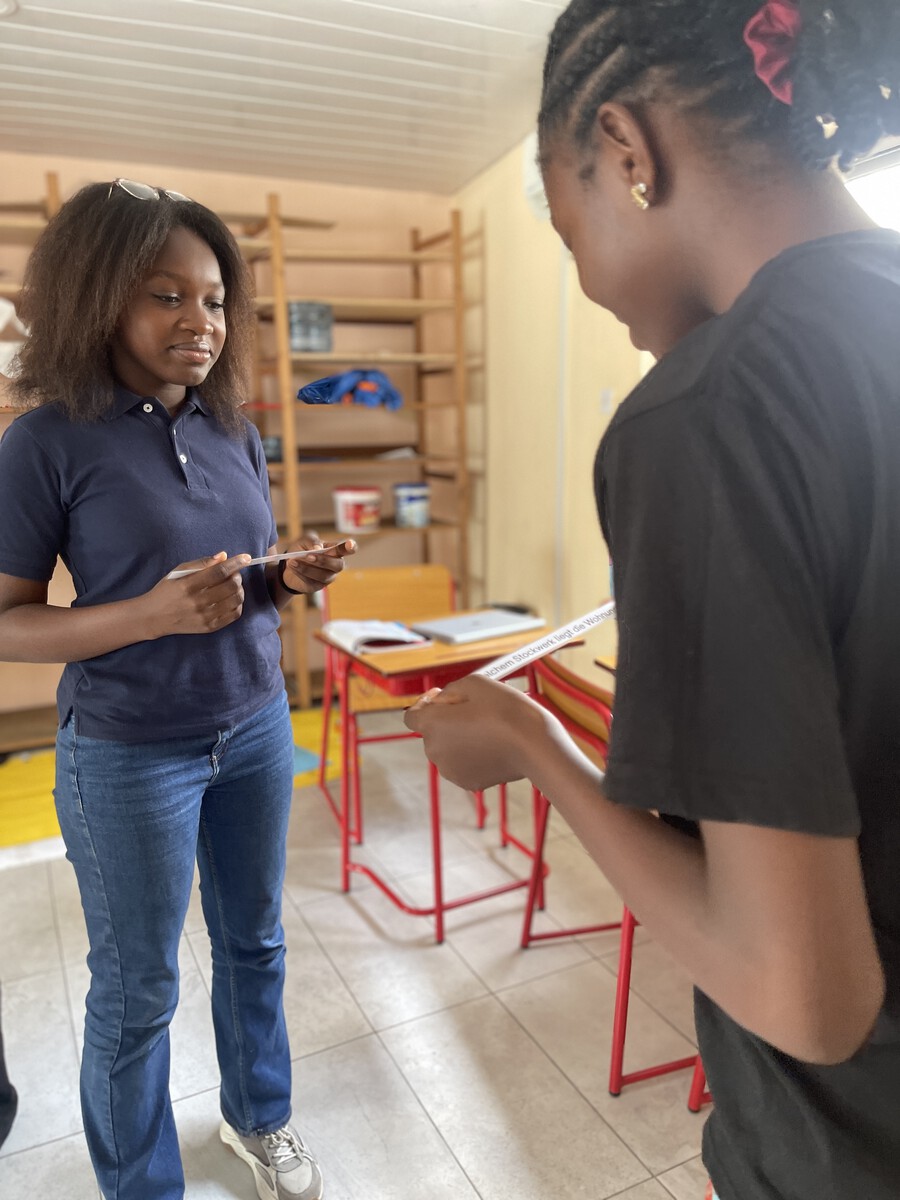 In Grade 7/8, developing language confidence, understanding texts and creative work with poetry were once again at the centre of learning. Through a range of grammar activities and preparations for the Cultural Festival, the students combined systematic language learning with creative expression.
➡️ Read more: Discovering Language and Creating Poetry
Grade 8 – Presenting, Comparing, Experimenting and Discovering Literature
In Biology, we continued exploring invertebrates and enjoyed two impressive presentations on two representatives of the mollusc family: octopuses and the giant squid. These two species illustrate just how fascinating and different invertebrate animals can be.
The students who presented later received constructive feedback on their presentations.
In Mathematics, the class continued practising the binomial formulas. This week, the focus was on factorising binomial expressions. The students completed a wide range of exercises at their own level and were, of course, able to ask for support when needed. The Mathematics assessment has been announced for 30 October 2026.
After the holidays, we will begin a new topic: equations.
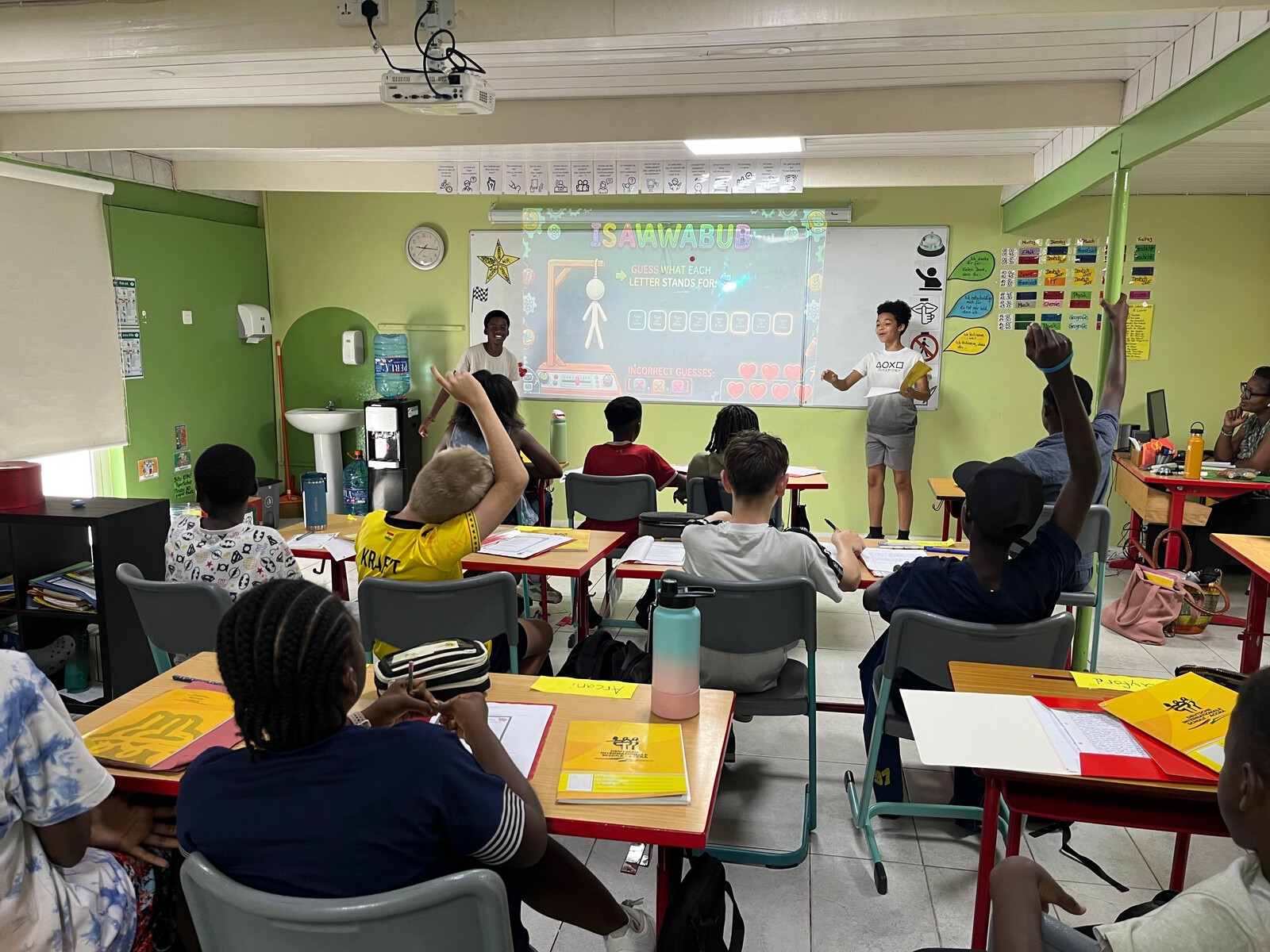 In English, the students continued their presentation to Grade 7 on the different types of sentences. They added a mnemonic to make the learning easier to remember and understand, particularly with regard to the different types of conjunctions and correct punctuation. Learning from one another is helping them grow in confidence and strengthen their teamwork.
In German, the first question was: We know these faces from somewhere – but where? From television? From a book cover?
Using different images, we set off on a literary investigation and eventually identified four well-known authors: Andreas Steinhöfel, Astrid Lindgren, Joanne Rowling and Jack London. By the time Pippi Longstocking, Harry Potter & Co. appeared, everything began to fall into place. Matching the correct information with the different authors was not difficult either.
Together, we collected what we already knew, shared our own reading experiences and discovered that some stories have accompanied us for much longer than we had realised.
Then it became personal: Who is our favourite author? We researched, collected interesting facts and prepared short presentations. After all, we did not simply want to introduce our favourites – we wanted to make the others want to read their books too.
Our conclusion: books cannot speak – but we can make sure their stories continue to be told.
In French, Grade 8 explored comparative and superlative forms of adjectives. The students discovered how to compare people, objects and everyday experiences – from deciding what is bigger or more interesting to identifying what is best or most exciting.
Through practical examples and guided activities, the students put their knowledge into practice and grew increasingly confident in using French to make comparisons and express their opinions more precisely.
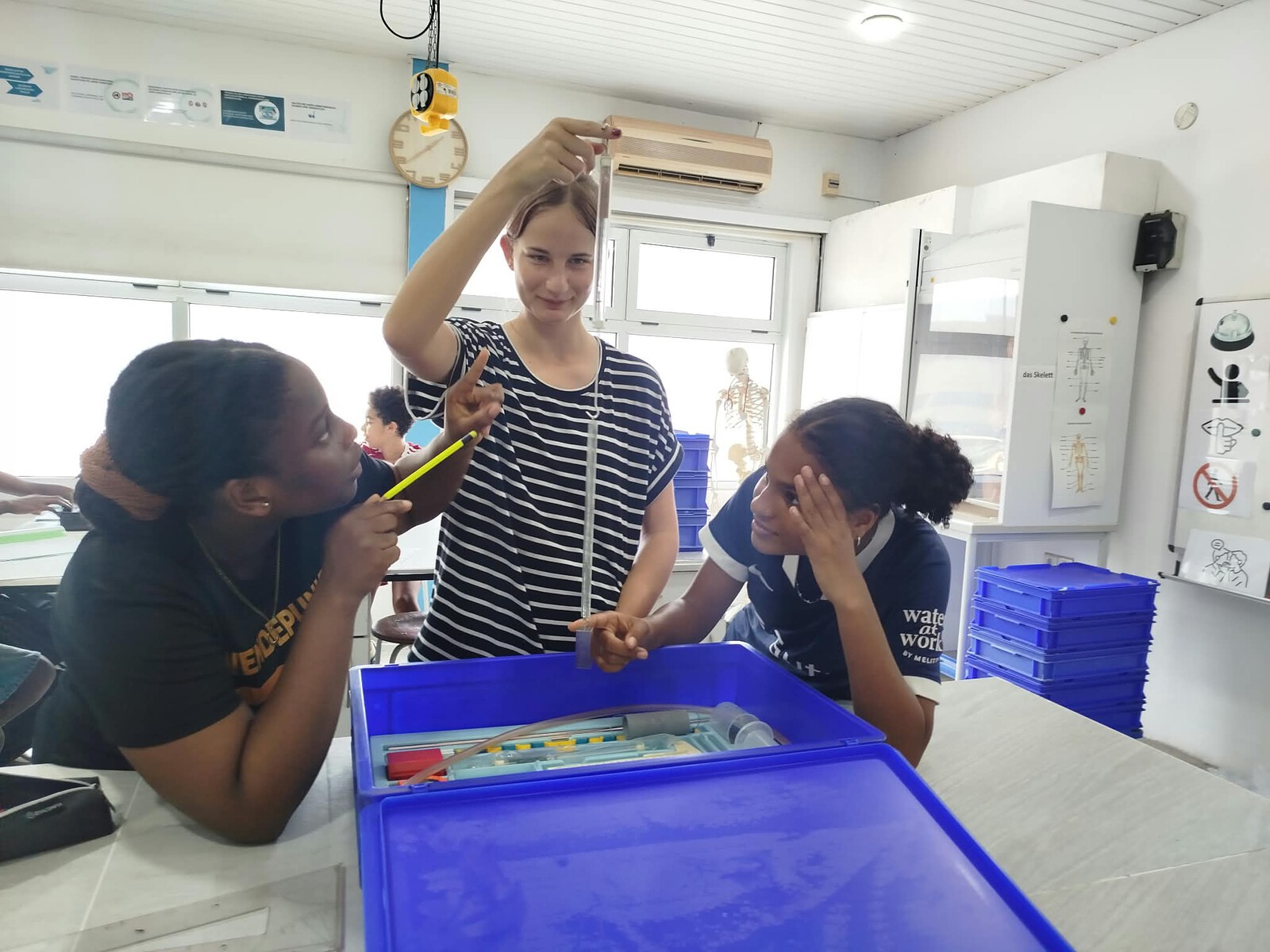 In Physics, Grade 8 continued exploring forces and their effects. The students learned about Hooke’s Law, which describes the relationship between the force applied to a spring and its extension: the greater the force, the more the spring stretches.
In an experiment using different weights, the students investigated this relationship themselves and then analysed their measurements. Hooke’s Law is important because it helps explain how materials behave under load – a principle that plays a role in springs, scales, vehicles and many technical structures.
Responsibility from the Heart
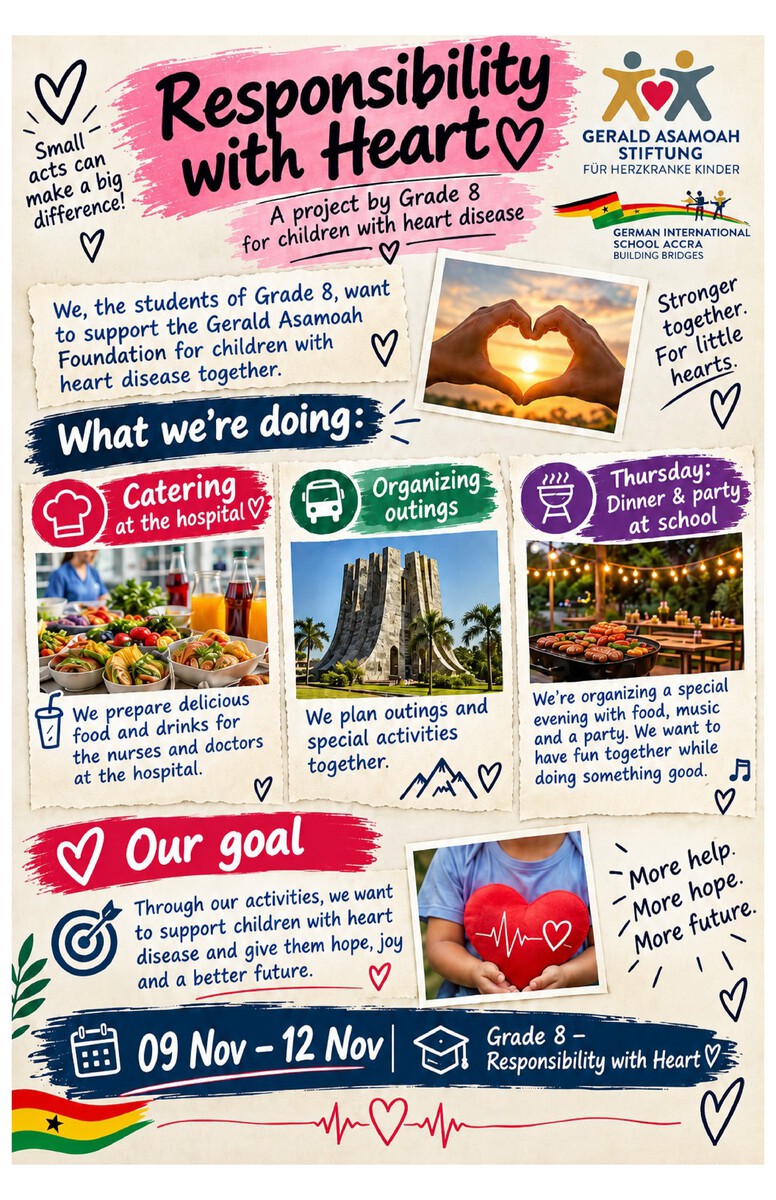 Beyond subject learning, Grade 8 is also taking responsibility. As part of its social project “Responsibility from the Heart”, the class is exploring social engagement and its cooperation with the Gerald Asamoah Foundation.
➡️ Read more: Responsibility from the Heart
Grade 9 – Heading into the Autumn Break Together
In the final week before the autumn break, Grade 9 once again worked intensively, experimented with new approaches and made plans together.
In Mathematics, we continued developing our understanding of systems of linear equations. A range of different examples was used to practise different methods of solving them. Digital tools were also used to check solutions and visualise mathematical relationships.
In Computer Science, we explored the RGB colour model and the question of how colours are represented digitally. The students learned that screens create colours through combinations of red, green and blue. This principle is an important foundation of digital image processing and is something we encounter every day on smartphones, computers and other displays.
In Chemistry, we continued working with the periodic table. The class took a closer look at the main groups and explored typical properties of the elements within them. It became clear that the position of an element in the periodic table already provides many clues about its chemical behaviour.
In Physics, motion was not only calculated but also represented and analysed digitally. Using diagrams, the students visualised patterns of movement and compared different types of motion.
After our first German assessment, it was time to return briefly to the basics. How do you write a convincing opinion? And how can you express your point of view in a way that others can understand?
Two interesting questions sparked discussion: Should we continue to write by hand? And do professional footballers earn too much money? Opinions differed and arguments flew back and forth – but one thing quickly became clear: simply having an opinion is not enough; you also need to justify it convincingly.
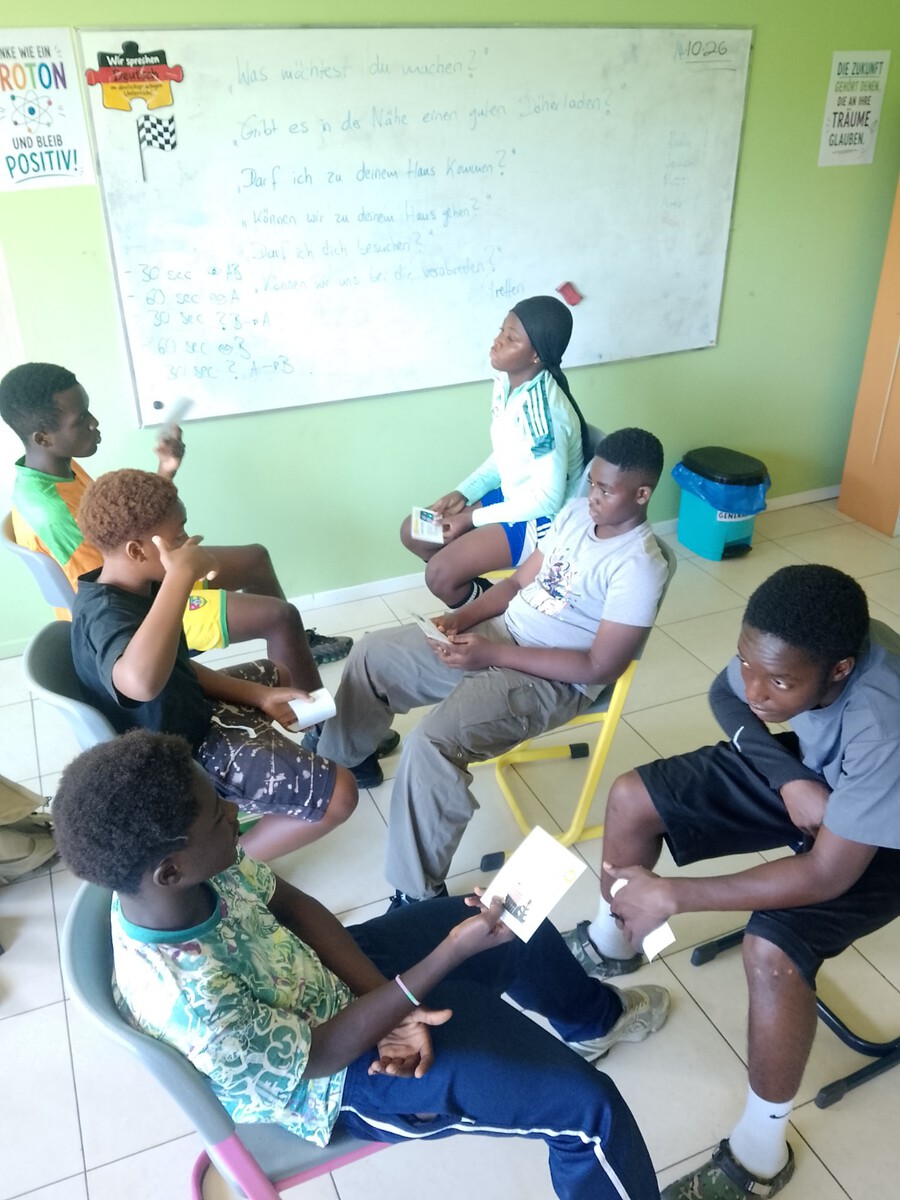 We then turned our thoughts towards our Germany trip in 2027. Which questions will we need in everyday situations in Germany? How do we order something, ask for directions or start a conversation?
Our language speed dating then made things even more energetic: 60 seconds to say as much as possible about a topic, followed by 30 seconds to answer questions from the other person. Then it was time to change partners, move on to a new topic and start the next language round.
Heads were working hard, tongues were moving quickly and there was hardly any time for long pauses. But that was exactly the point: speaking spontaneously, understanding questions, finding suitable answers and becoming increasingly confident.
Our conclusion: anyone who can speak German continuously for 60 seconds without panicking is already well prepared for their first conversations in Germany.
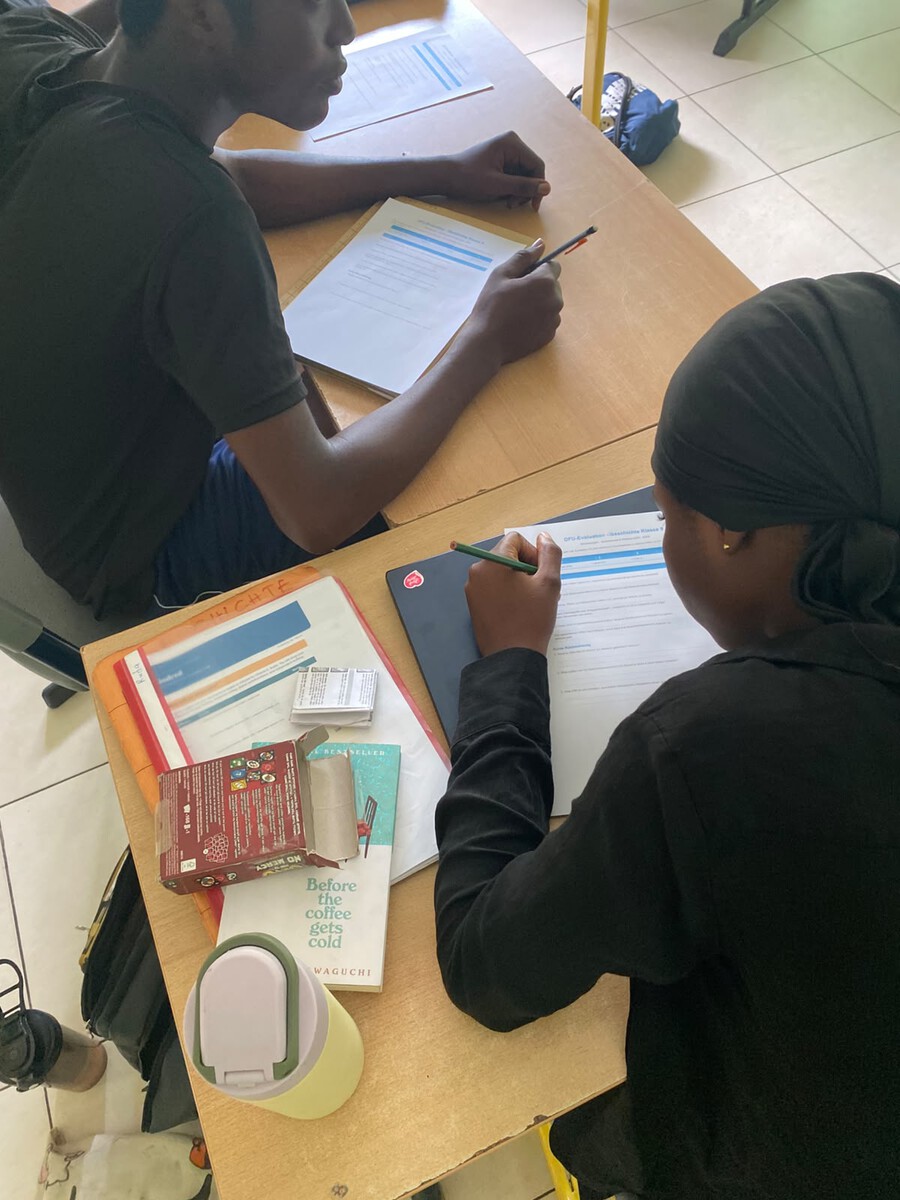 In History, Grade 9 concluded an extensive unit on the First World War with an assessment. Alongside historical understanding, the targeted development of German academic and subject-specific language had been an important focus over the previous weeks. A short evaluation of the language-sensitive teaching methods used during the unit brought this phase of learning to a close.
After the autumn break, the next teaching phase begins in Geography on 26 October with the topic “World Population and Demographic Change”.
➡️ Read more: Every History Lesson Is Also a German Lesson
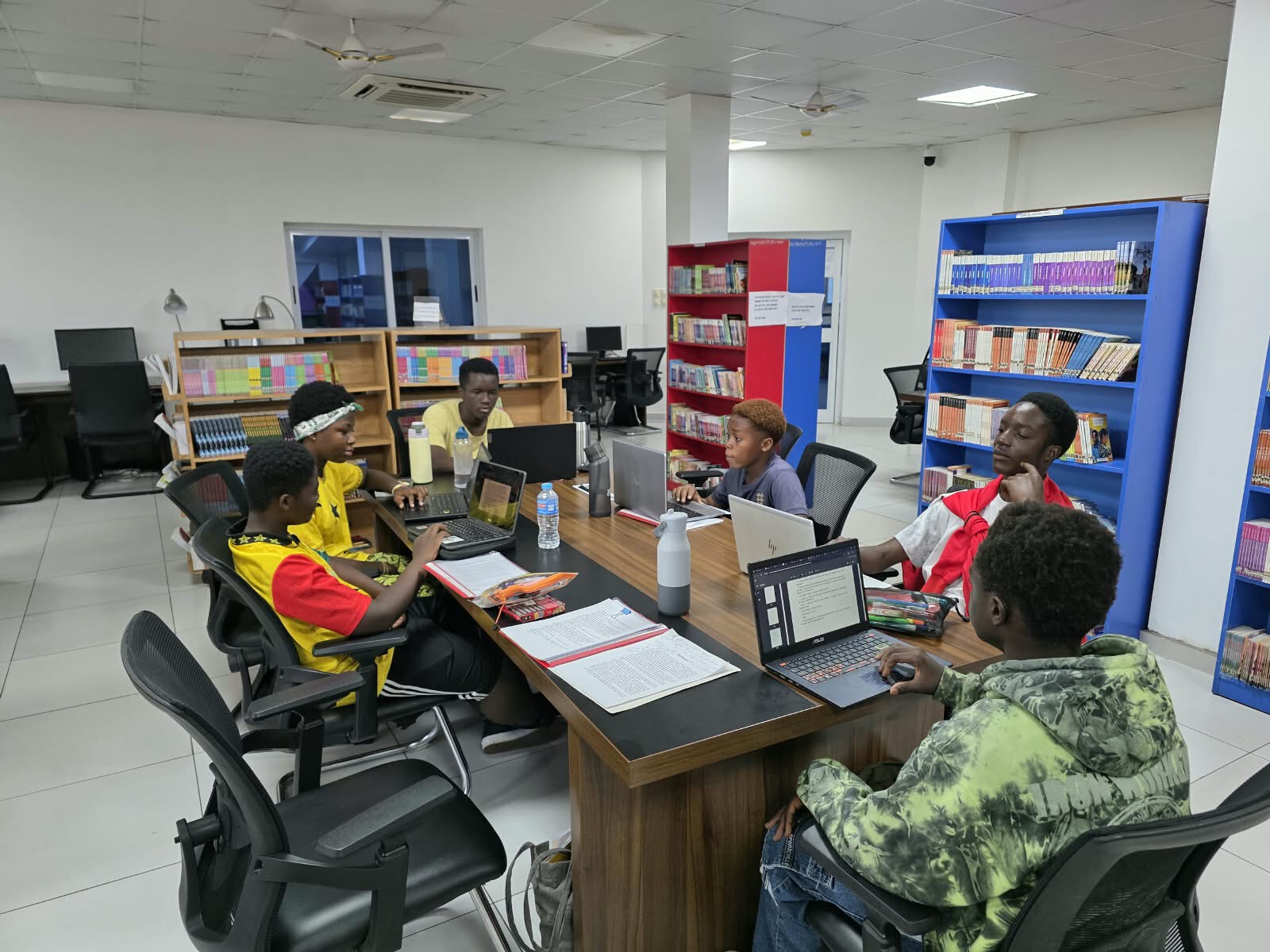 In English, the class finally completed “Kindred” by Octavia Butler. The reading began with limited enthusiasm, but by Chapter 2 interest and motivation had clearly increased. The book left the students with plenty to think about and, most importantly, strengthened their ability to discuss themes such as racism, slavery, power, relationships and influence. They are currently working through a range of questions in preparation for an assessment on the novel.
In Biology, the focus this week remained on cellular respiration as an important process in the production of energy in heterotrophic organisms. The students were also asked to describe cellular respiration in their own words in order to further develop their ability to express scientific ideas independently in German.
In French, Grade 9 continued delving into grammar and worked with the plus-que-parfait. The students learned how this tense is used to describe actions that had already taken place before another event in the past. This allows them to describe sequences of events more precisely and create more differentiated narratives.
Using examples and exercises, the students learned how to form the plus-que-parfait with the imperfect forms of avoir or être and the past participle. They then applied the new structures in a variety of contexts.
From what happened to what had already happened beforehand: Grade 9 is increasingly able to express more complex relationships in French.
Topics directly affecting the class were also discussed during the Class Council. Alongside the planned Germany trip, the students considered how they could play an even more active role in shaping school life. Our class representatives, who also represent the wider student body, contributed a number of ideas – including the possible creation of a student company.
The final lesson before the holidays was a little more relaxed. The class brought the past few weeks to a close together and shared a meal – a lovely ending before the well-earned autumn break!
Dates & Outlook
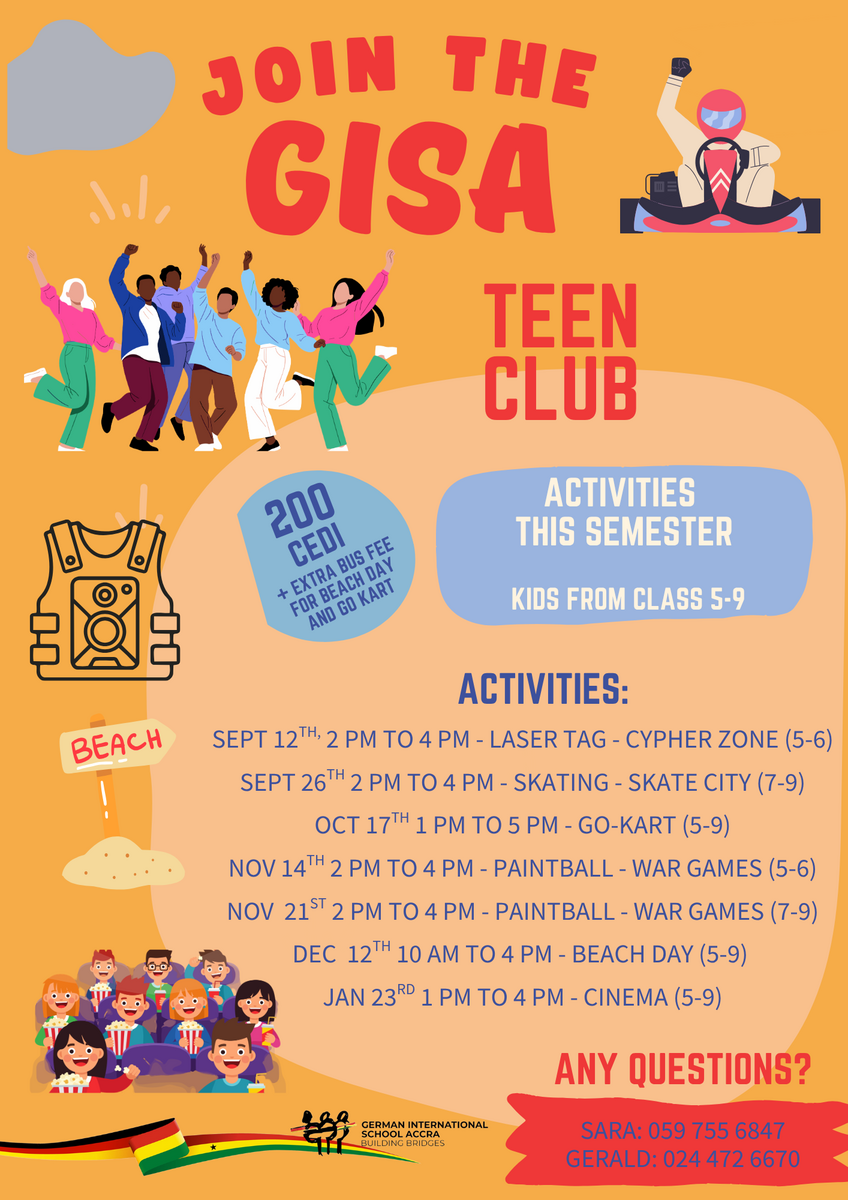
🏎️ 17 October 2026, 1:00–5:00 p.m. – Teen Club Go-Karting
🍂 19–23 October 2026 – Autumn Break
🏫 26 October 2026 – First school day after the autumn break
🇩🇪 31 October 2026 – German Language Day at GISA
🗳️ 3 November 2026, 6:00 p.m. – Annual General Meeting (AGM)
❤️ 7–14 November 2026 – Gerald Asamoah Foundation Heart Surgery Week in Ghana
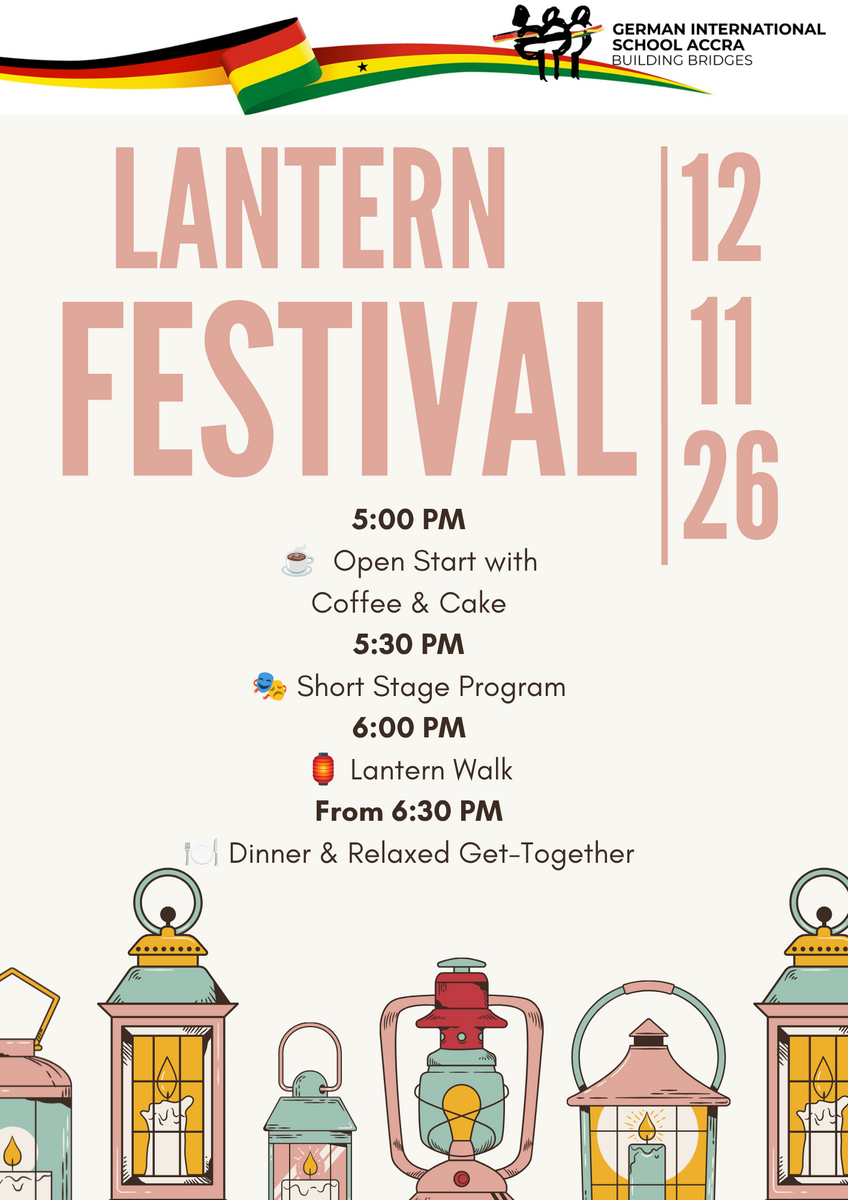
🏮 12 November 2026 – Lantern Festival at GISA
🎭 13 November 2026 – Cultural Festival at the Goethe-Institut Accra
📚➗ 20 November 2026 – National Reading Aloud Day & Long Night of Mathematics
🤝 23–25 November 2026 – GABS 2026 / GISA at the Team Germany Lounge
🎬 25 November 2026 – EducataGhana Pre-Evening / Content Creator Contest
🎄 28 November 2026 – GISA Christmas Market
⛪ 29 November 2026 – First Advent Church Service
🇬🇭 4 December 2026 – Farmers’ Day, no school
🎒 18 December 2026 – Last school day before the Christmas holidays
🎄 21 December 2026–8 January 2027 – Christmas Holidays
⛪ 24 December 2026 – Christmas Eve Church Service
🏫 11 January 2027 – First school day after the Christmas holidays
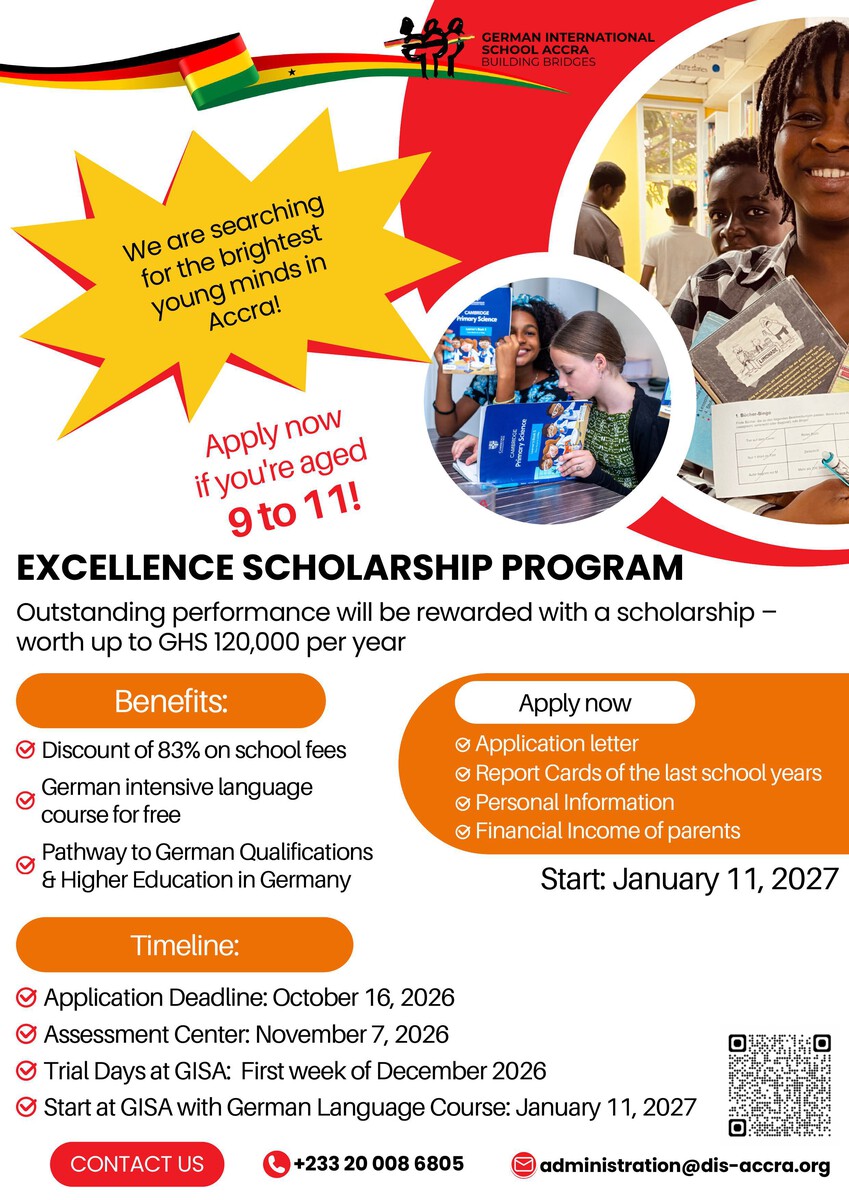
Excellence Scholarship Programme 2027
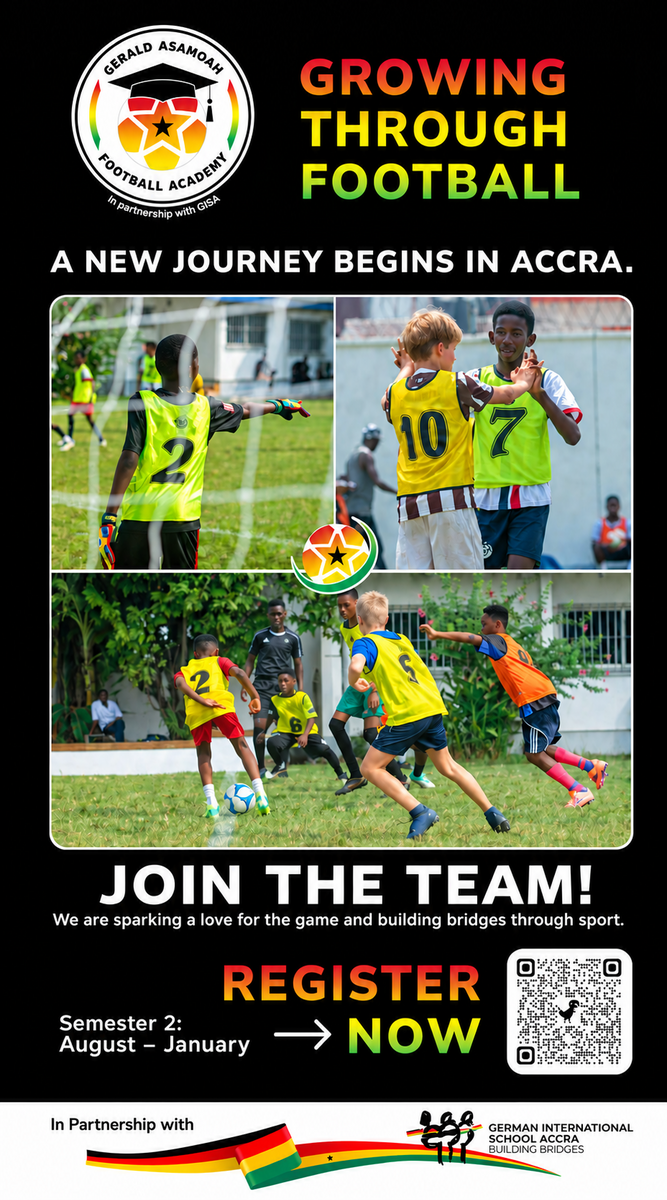
⚽Gerald Asamoah Football Academy
🇩🇪 German Language Day

Lantern Festival
The Long Night of Mathematics & Reading Aloud
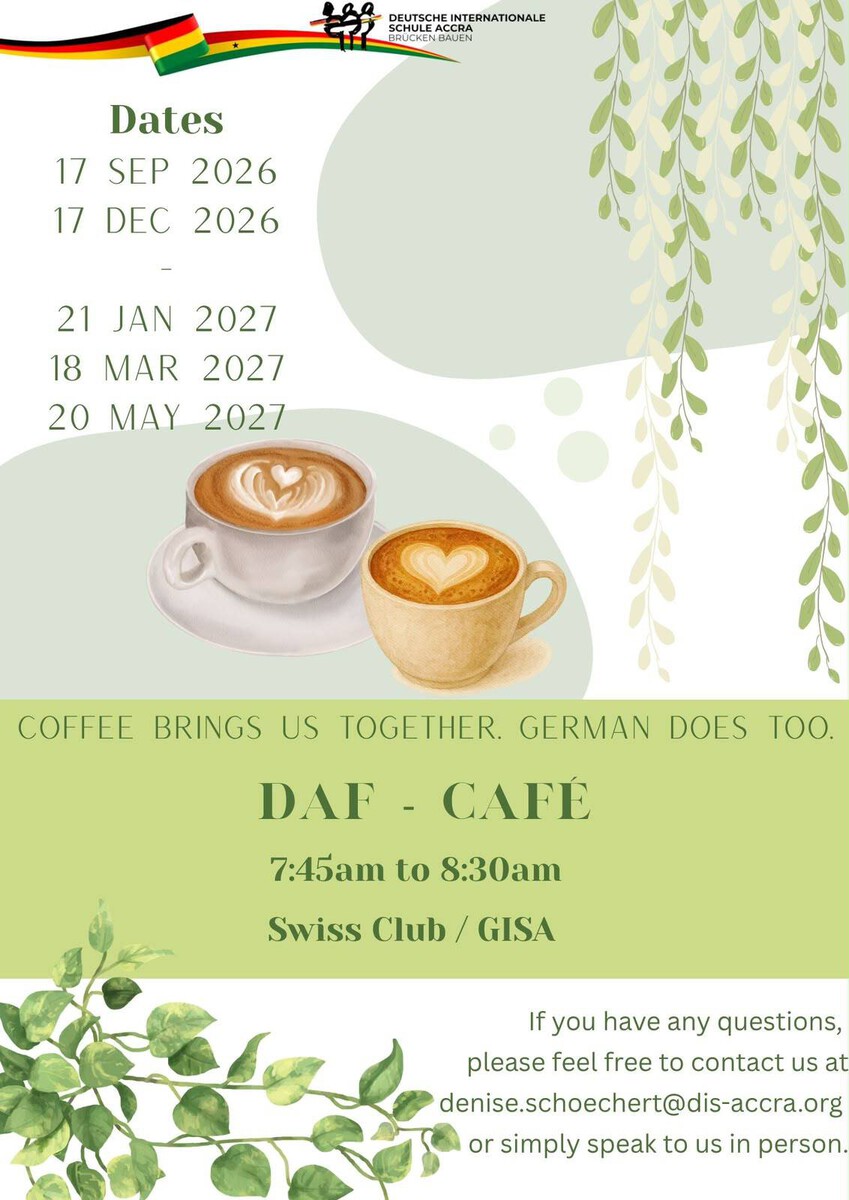
☕ DaF Café: Speaking German and Connecting Through Conversation
GISA Teen Club